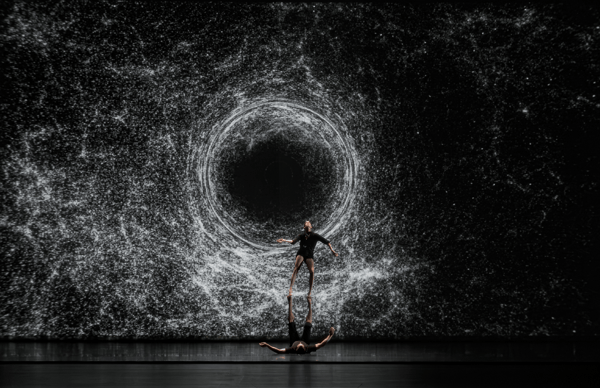
"Everything that surrounds us is nothing but a collection of atoms, particles and electromagnetic fields, vibrating without any apparent meaning. When these impulses are interpreted by our mind, they become colours, tastes, music, memories and emotions: the foundations of what each one of us perceives as reality."
Dökk is a live media performance exploring the unpredictable journey of life: through abstract, evocative imagery, the narration focuses on the subconscious mind where worlds and universes continuously take form and dissolve in different realities. Intending to generate deep emotions and a feeling of affinity and connection, the performance wants to reflect human existence and its profound complexity, in its continuous research of balance between light and darkness.
Play
Pause
Mute
Mute
Mute
Unmute
MUTEK MX, 2023
With Dökk, we wanted to explore the idea of creating an interconnected relationship between the performer and the surrounding digital scenes.
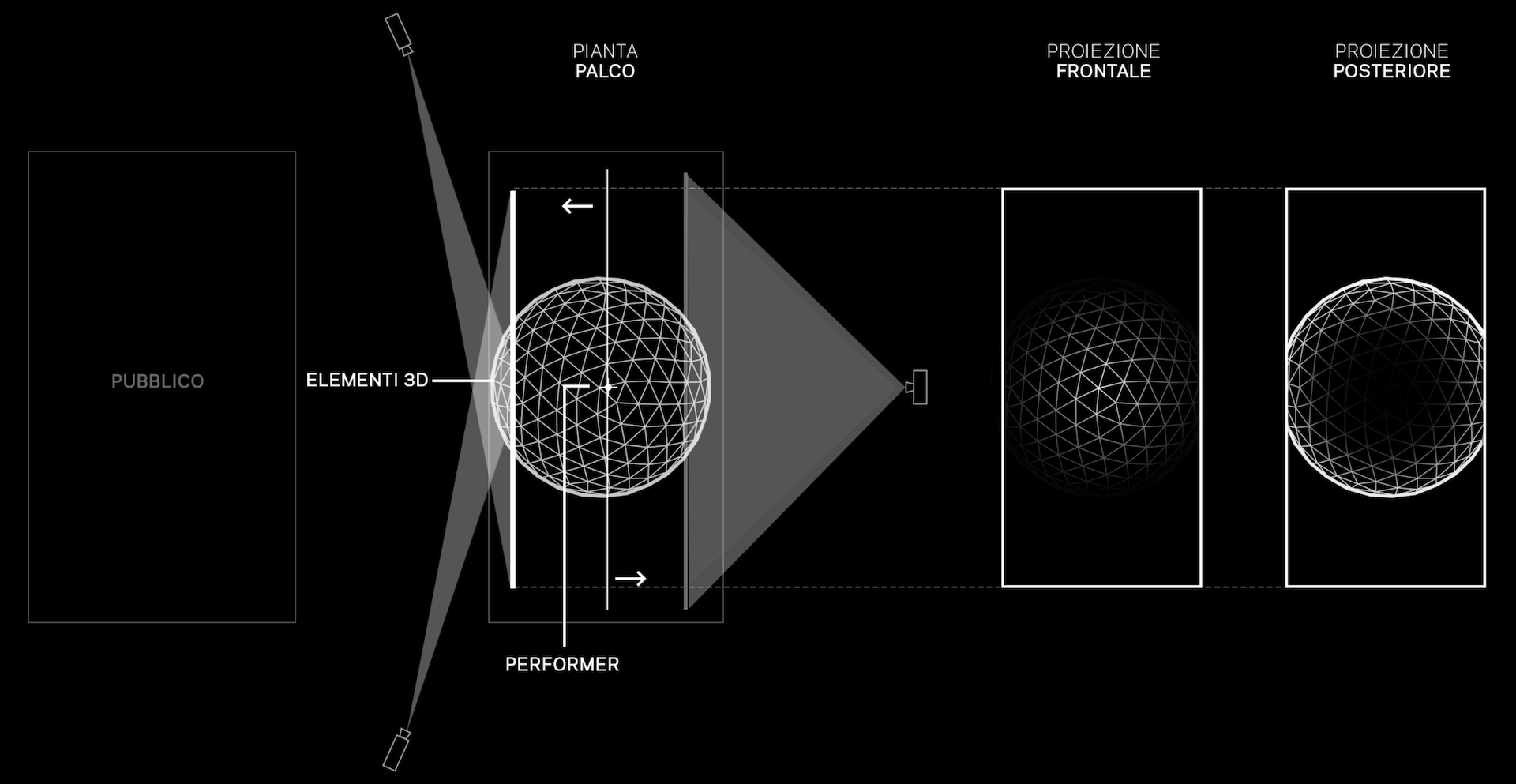
As for the stage setup, we developed a special system consisting of a double frontal projection on a holographic screen and a rear projection on the stage backdrop.
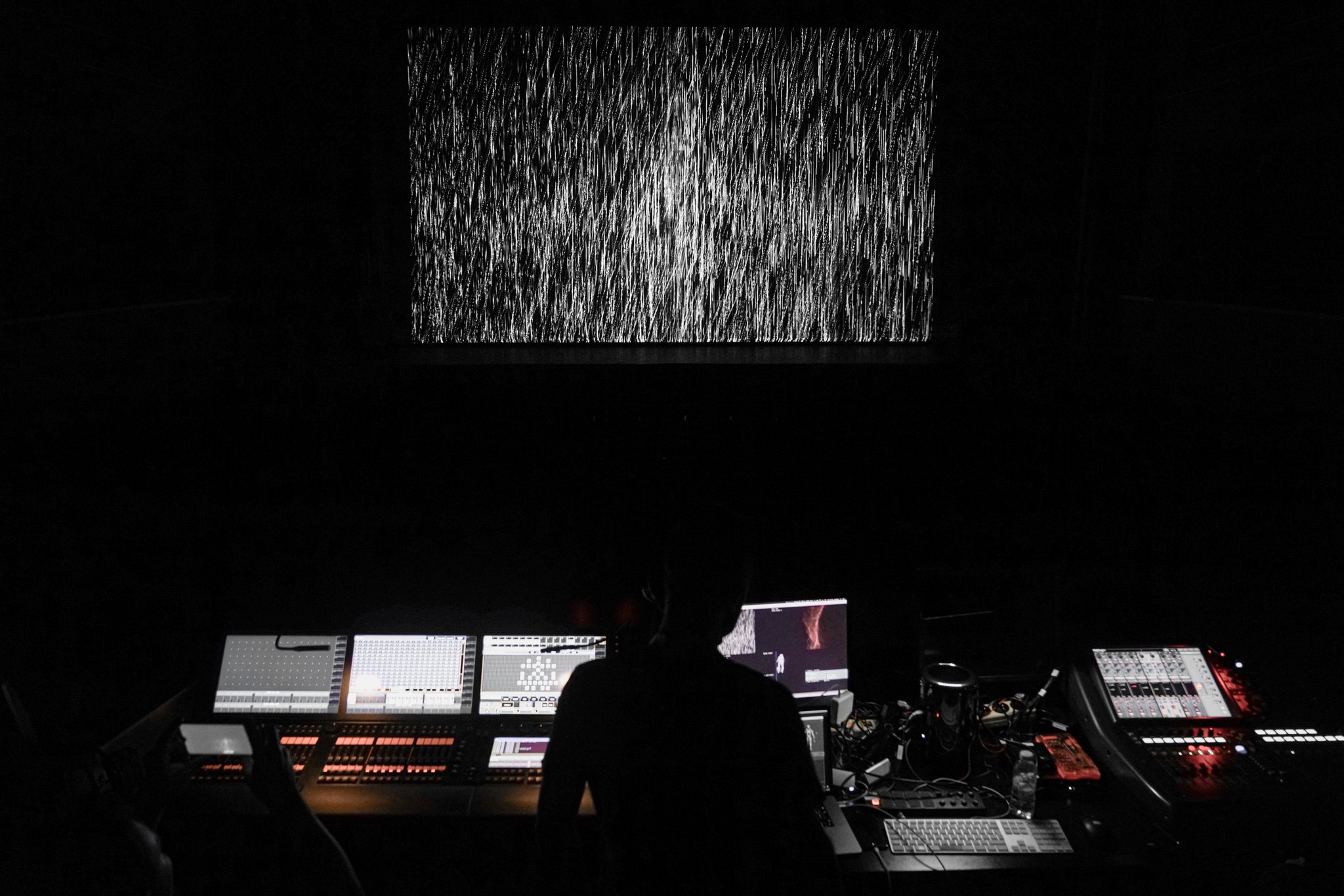
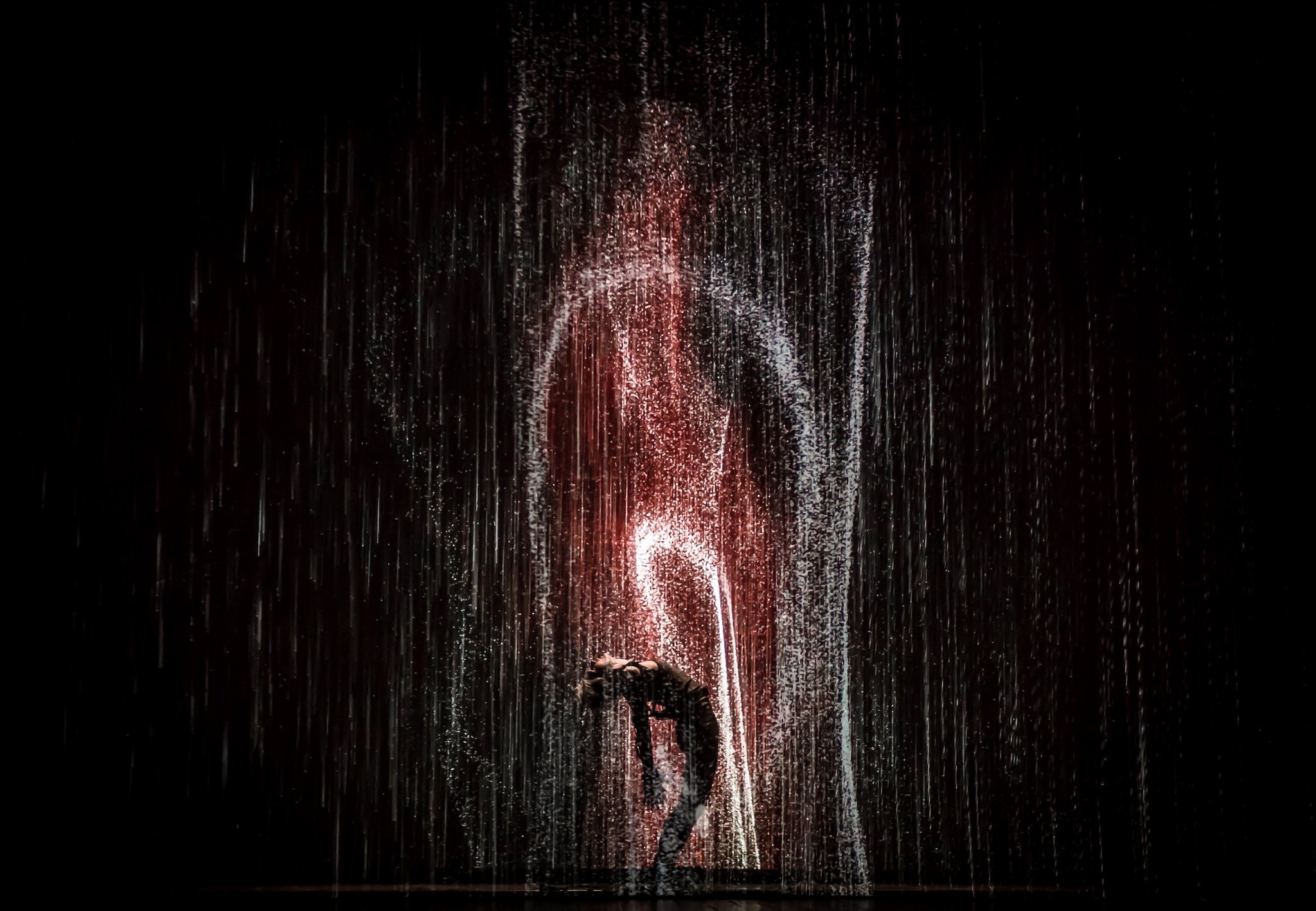
Real-time visuals are then mapped on the two surfaces, increasing the depth of the scene: the front screen is semi-transparent, which allows for digital content to be projected without concealing the dancer. We took advantage of this to build the different scenes of Dökk: we played with light, projections and perceptions, achieving a deeper level of immersion of the figure of the dancer in the visual setting.
Moreover, we employed different elements and techniques to communicate a sense of union and synchronicity between the scene, the performer and the larger community. Some of these include: a Perception Neuron, Kinect sensors and heart rate monitors. We also developed a system capable of generating results from these real-time analyses: it is the combination of these data that ensures the uniqueness of each performance since it is partly the result of the random, unforeseeable nature of the information analysed.
PERCEPTION NEURON & KINECT
First of all, we chose to track in real-time every movement of the dancer with a Perception Neuron, a motion capture system characterised by 18 accelerometers placed on the body of the performer. During the performance, these data are also cross-checked with two Kinect sensors placed on stage. Using these two elements, we can recreate a precise map of both the micro-movements of the performers’ body and her macro-position on stage, which then goes to impact in real-time the visuals of the piece. Secondly, the dancer’s heartbeat is tracked and amplified through a BLE heart rate monitor: her beating can be heard at the start and end of Dökk, just like in a life cycle where the heart is the first organ to form and the last one to cease.
SENTIMENT ANALYSIS
One common goal of many of our productions is to highlight the interplay between different elements, particularly emphasising the interconnectedness between individuals and a wider community.
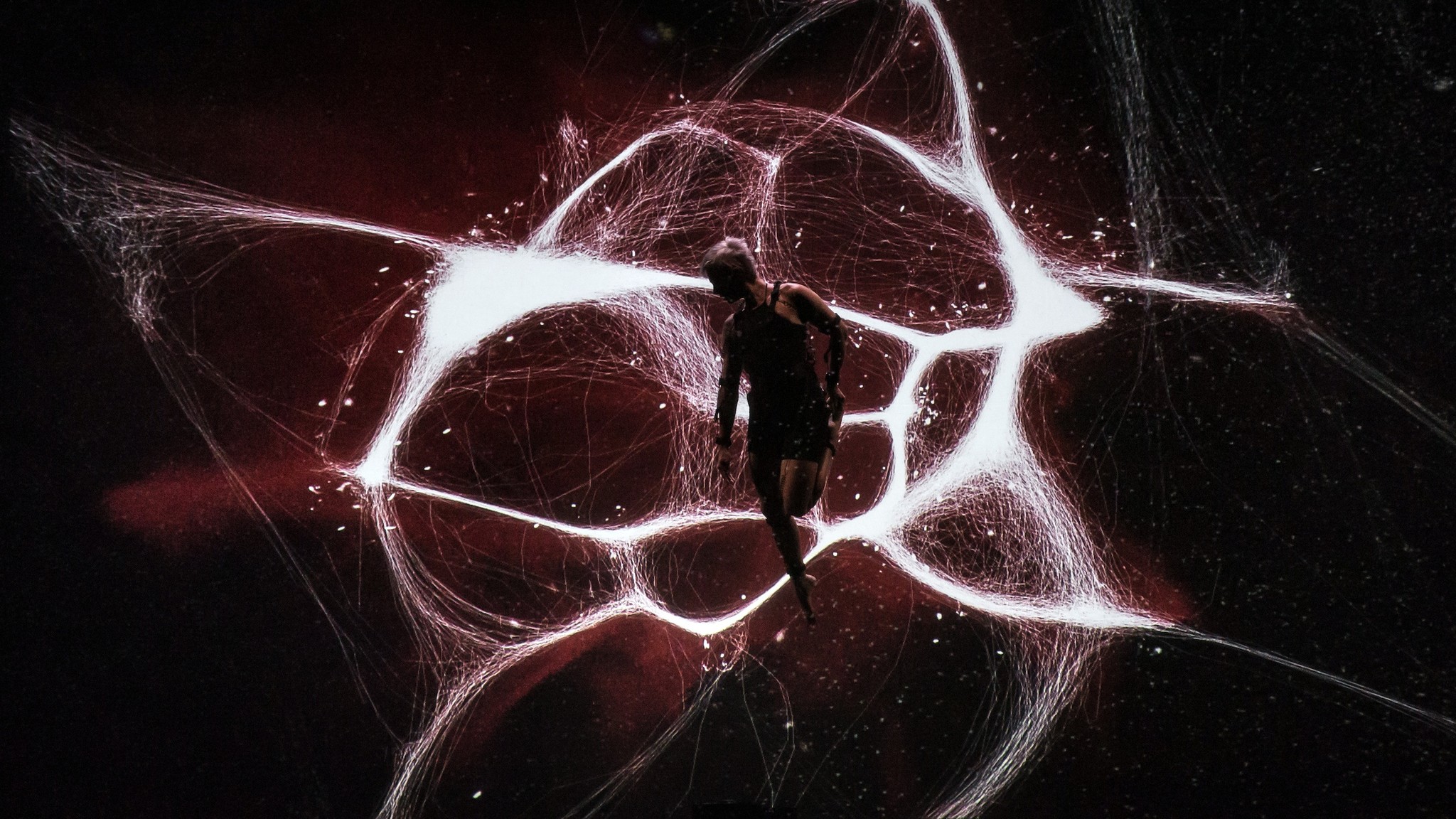
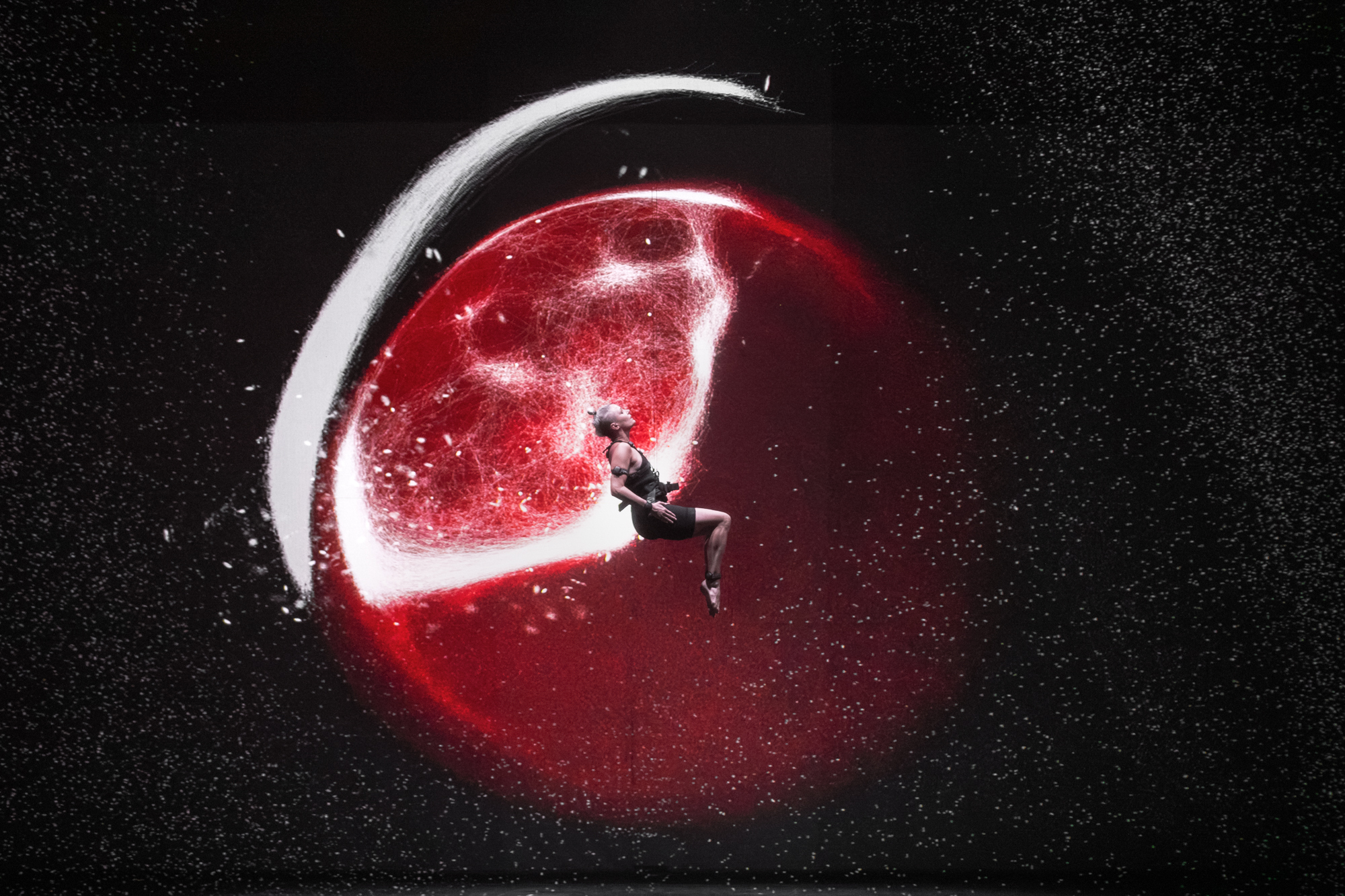
In Dökk, a system was developed to analyse tweets from the trending topics: each tweet undergoes a real-time sentiment analysis carried out by an algorithm based on the open-source library developed by U. Krcadinac. Thus, if a particular event is unfolding during a performance of Dökk, the visuals and audio of the piece dynamically evolve, acquiring different connotations. Visually, what highlights this variation is the colour red: inspired by the study “Bodily maps of emotions”, which states that various emotional states correspond to specific activations of different parts of the body, usually shown with warm colours like red or yellow.
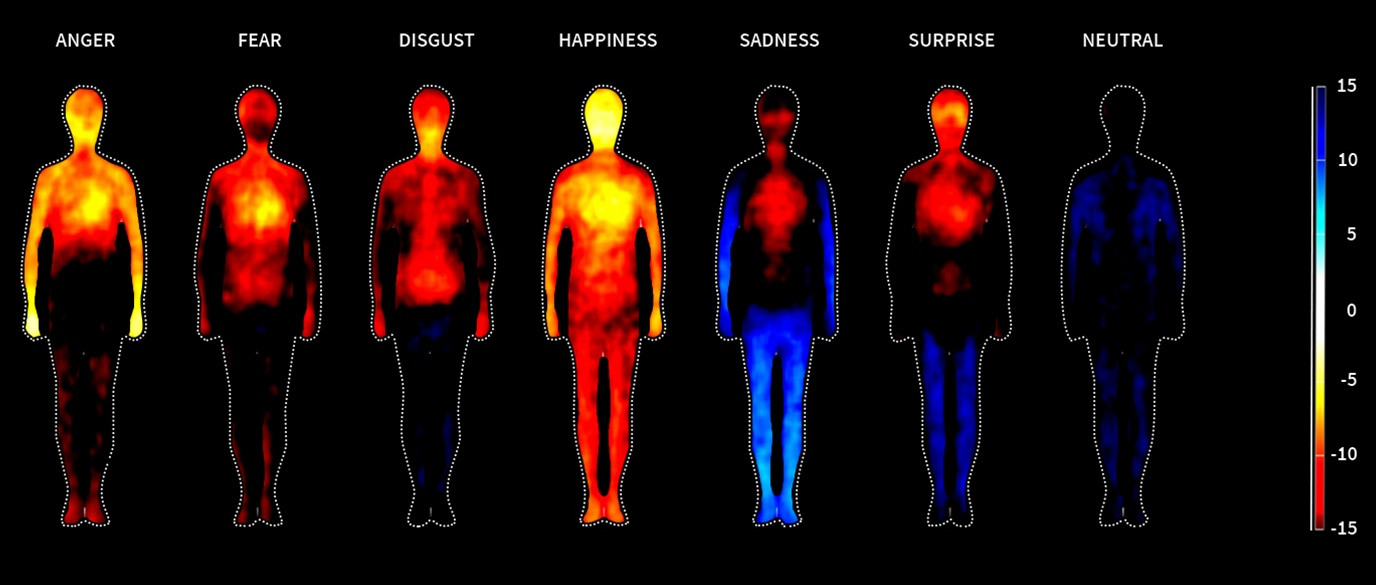
The data extracted from the sentiment analysis of the tweet act on the ‘warmth’ of the scenes, modulating the shades of red as well as altering other graphic details that modify the atmosphere of single sections of the performance. On the same line, the soundscape of Dökk is also influenced by the data collected: six ‘ghost’ tracks, one for each basic emotion, are mixed with the main soundtrack based on the percentages of the analysed emotional distribution.
Unfortunately, we have been recently forced to disable this feature after the switch of Twitter to X and the consequent limitation of APIs on tweet retrieval.
Digilogue, 2019
The general structure of the choreography has been based on a specific sequence that reflects the rooms of the performance: different rooms coincide with different digital environments and with different sets of movements and actions.
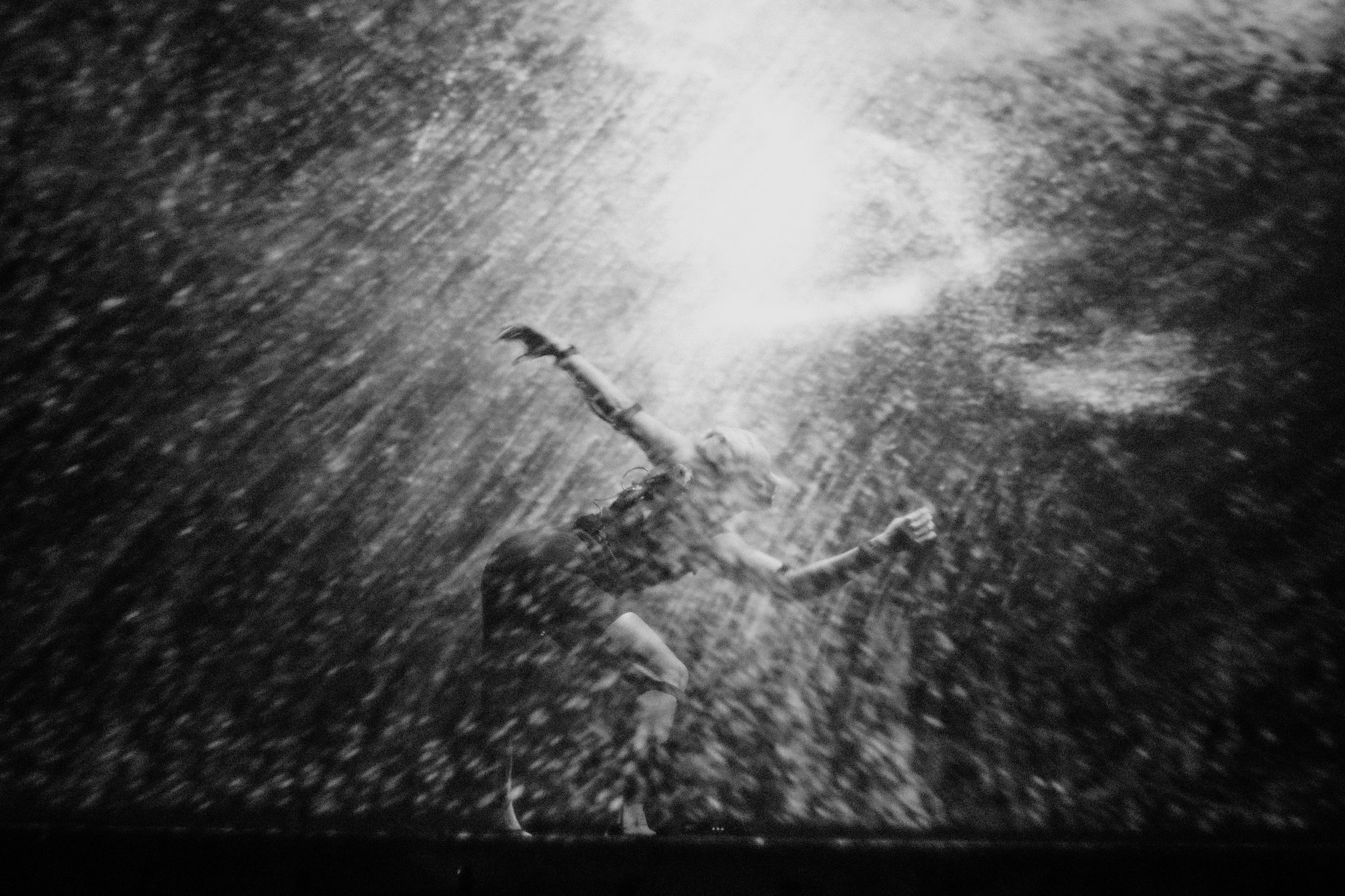
Technology assumes a fundamental role in the choreography: the digital landscapes and soundtrack become alive, reacting to gestures and movements just like a second dancer would. The more the performer knows and is aware of these elements, the more they can be eluded and exploited to amplify the body's actions: for this reason, the performance requires essentialism and strict rigour in selecting and reducing movements.
ph. Enrico Maria Bertani
The out-of-the-ordinary nature of the setup called for new possibilities and a widening of the expressive body vocabulary. It is also for this reason that the perception of gravity gradually changes throughout the piece: action happens mainly on the ground in the first section, while it gradually moves into the air as the narration continues only to move back ground-level at the very end of the performance. To achieve this effect gradually, a counterweight system was employed allowing the dancer to be suspended in the air and to move with reduced gravity.
The lack of gravity symbolises the loss of connection with the self, leading to a total suspension in space and time. At the moment when this connection is found once again, we also rediscover the heartbeat of the performer, gradually restoring contact with reality and closing the circle of the performance.
Yokohama Dance Collection, 2022
The digital landscapes of the piece are visual metaphors for the perception of reality in the subconscious mind. In the development phase of the performance, we felt the need to overcome the physical boundaries of the stage to express the vastness of thought, in a metaphor that compares the human spirit with the universe. The visualisations of the universe have been created from a variety of data sources: in some cases, they are based on real observations of space, in others obtained through simulations.
Every room features a particular digital landscape, defined by specific physical laws that determine how the collected data interact in real time.
Play
Pause
Mute
Mute
Mute
Unmute
THE REDSHIFT PHENOMENON
In the first section, the visualisations are based on data collected by studies concerning the observation of the redshift phenomenon through the analysis of the light spectrum emitted by celestial bodies. The landscapes opening the show were obtained by placing particles in the real points of ascension and declination of galaxies present in the databases, exploiting the redshift parameter to attribute a distance to the particles from the centre (i.e. the Earth - us) on the basis of the Hubble constant. This very peculiar shape, formed by two almost symmetrical sectors, is actually the result of a problem of observation of space: humans can only observe beyond the distribution of the stars of our Milky Way, which in fact creates two large blind spots.
Moreover, from the very start of the journey to the final room, the real-time analysis of the dancer’s heart rate is connected to the twinkling of one of the stars in the visualised universe. This idea was suggested by the discovery of a group of binary stars whose luminosity is described by a graph very similar to an electrocardiogram. The position of the star in the scene respects the real coordinates of this binary system.
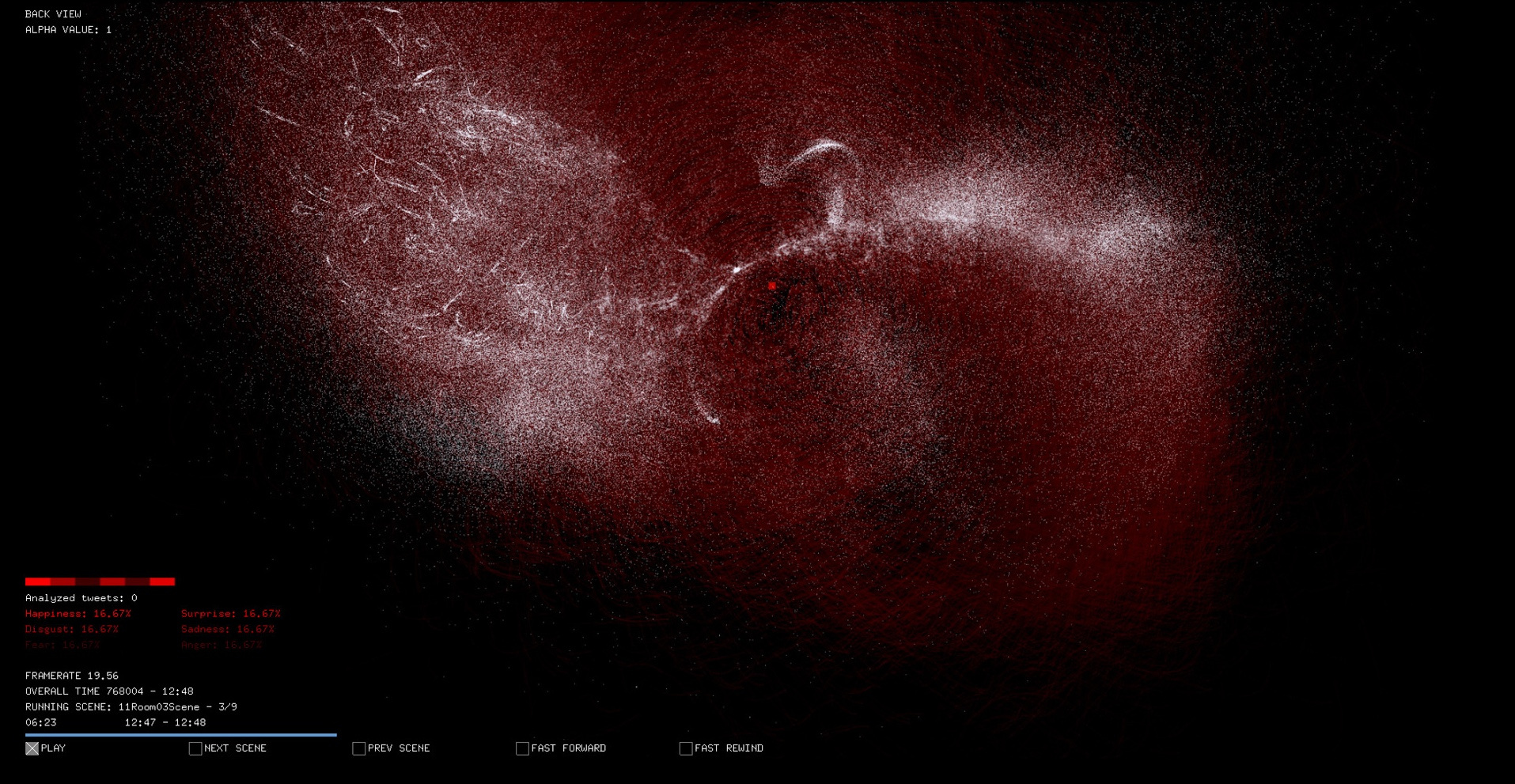
THE GREAT ATTRACTOR
In the third room, the universe deforms into a spiral, which is actually inspired by a distortion happening around galaxy 16154609-6055071 (ESO_137-_G_008), to be found roughly in correspondence with the Great Attractor: the point where a gravitational anomaly has been identified, powerful enough to deviate all the galaxies within Laniakea, the supercluster that also includes the Milky Way.
It has been observed by various studies that the redshifts of galaxies find an actual correspondence with the expansion of the universe as theorised by Hubble’s Law, but they also have anomalous variations, such as a peculiar speed, that demonstrate the presence of the Great Attractor.
THE NETWORK
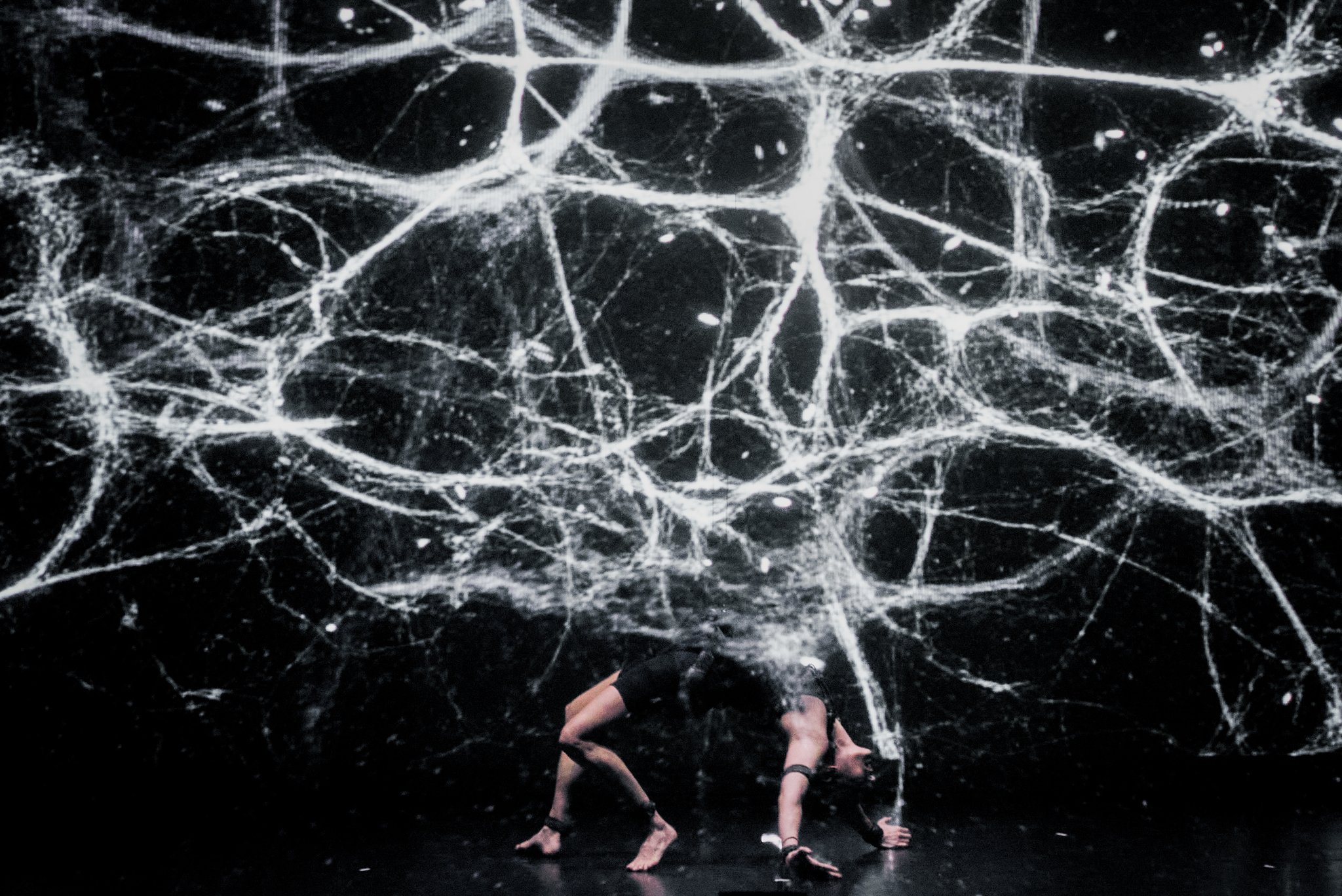
In room six, the filaments that initially described the universe are transformed into axons and dendrites through a construction of a stigmergic nature, where particles retrace the paths already delineated by other particles. The result is a networked stigmergic structure whose parameters are modified by the dancer’s gestures.
In room seven, the network of particles creates a sphere that envelops the performer. Her movements control the rotation of these elements on the scene and modify the soundtrack in real-time.
Biela Noc, 2017
EVOLUTION AND ASSEMBLY OF GALAXIES AND THEIR ENVIRONMENTS
From room eight, the landscape gradually returns to the starting visualisations. In this case, the simulation used as a starting point for the positioning of the particles is known as ‘EAGLE’ (Evolution and Assembly of Galaxies and their Environments) created by the Virgo Consortium.
The data represent various states in the evolution of the universe, starting from a ‘time zero’ when the universe was completely uniform right up to the current age where filaments, voids and galaxies can be seen and identified.
In room ten, the last one of the show, the same EAGLE simulation engine is applied to an invisible system of particles that go on to influence a gravitational field. The simulation we put together through the calculus software GADGET-2 has operated on our servers for almost a week, generating 500 ‘snapshots’ of the state of matter in a uniform universe made up of 276,498 particles. These elements represent the contribution to the formation of a vector field of velocity, the final result of our study, represented by a cube of which each side is 100 million light-years in length. By exploiting this field, we managed to move the particles used previously to generate a vortex around the protagonist, as if to try and trace the evolution of our own Laniakea.
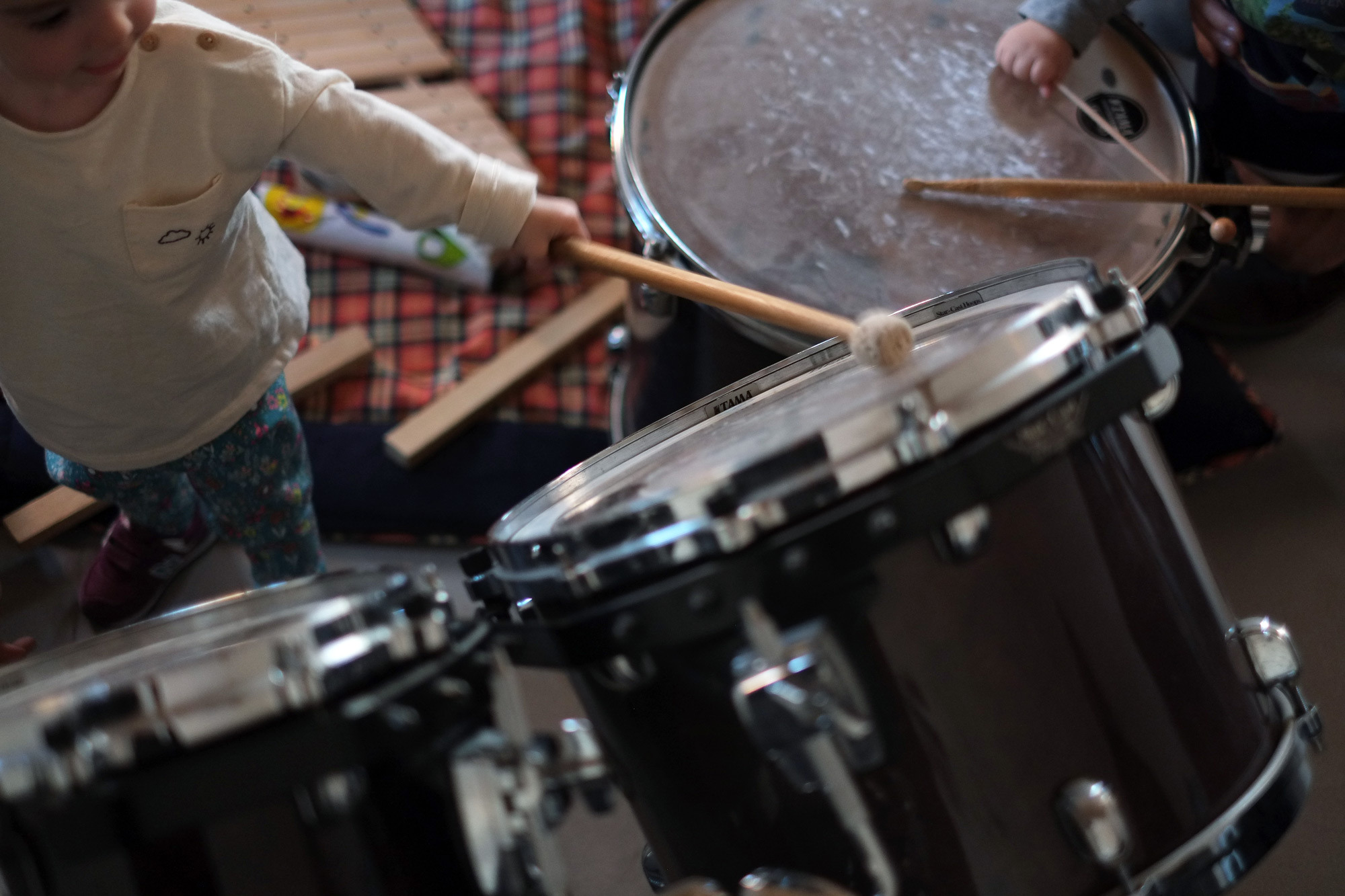
The soundtrack of Dökk acts as a narrative voice for the whole show, recounting emotions and states of mind that would otherwise be ineffective when translated into words. The process used to produce it was influenced by a non-linear approach: generative musical sequences were recorded and edited within compositions capable of creating unique audio events and random successions of notes and sounds. A central contribution to the creation of a variety of pieces was the chance to take part and record a music therapy session at Centro Armonico Terapeutico in Campogalliano, where fuse* is also based, along with children with special needs and individuals with a preschool mental age. Using these recordings as a starting point for the sonorities of the first rooms of Dökk allowed us to experiment even more with the random succession of notes and sounds, together with directly inserting in the piece a direct connection to childhood and the joy of discovery.
During the production and mixing, various audio synthesis tools and processes were adopted: the use of semi-modular synths, sound design and field-recording techniques and audio programming with Max MSP. For the interactive part of the performance, we also created chains of effects for the elaboration of sound and patches of audio synthesis in real-time. One of these patches uses a system that includes four granular synthesis modules, where each parameter is controlled by the position on stage of the Neuron perception sensors. Every movement allows the exploration and manipulation of various audio samples taken from ambient recordings, triggering little sound fragments defined as ‘grains’ which have their own specific volumes, dimensions and frequencies.
The music for Dökk was designed, composed and mixed to be played through a 4.2 surround system to envelop the audience and create a multisensory experience as immersive as possible.
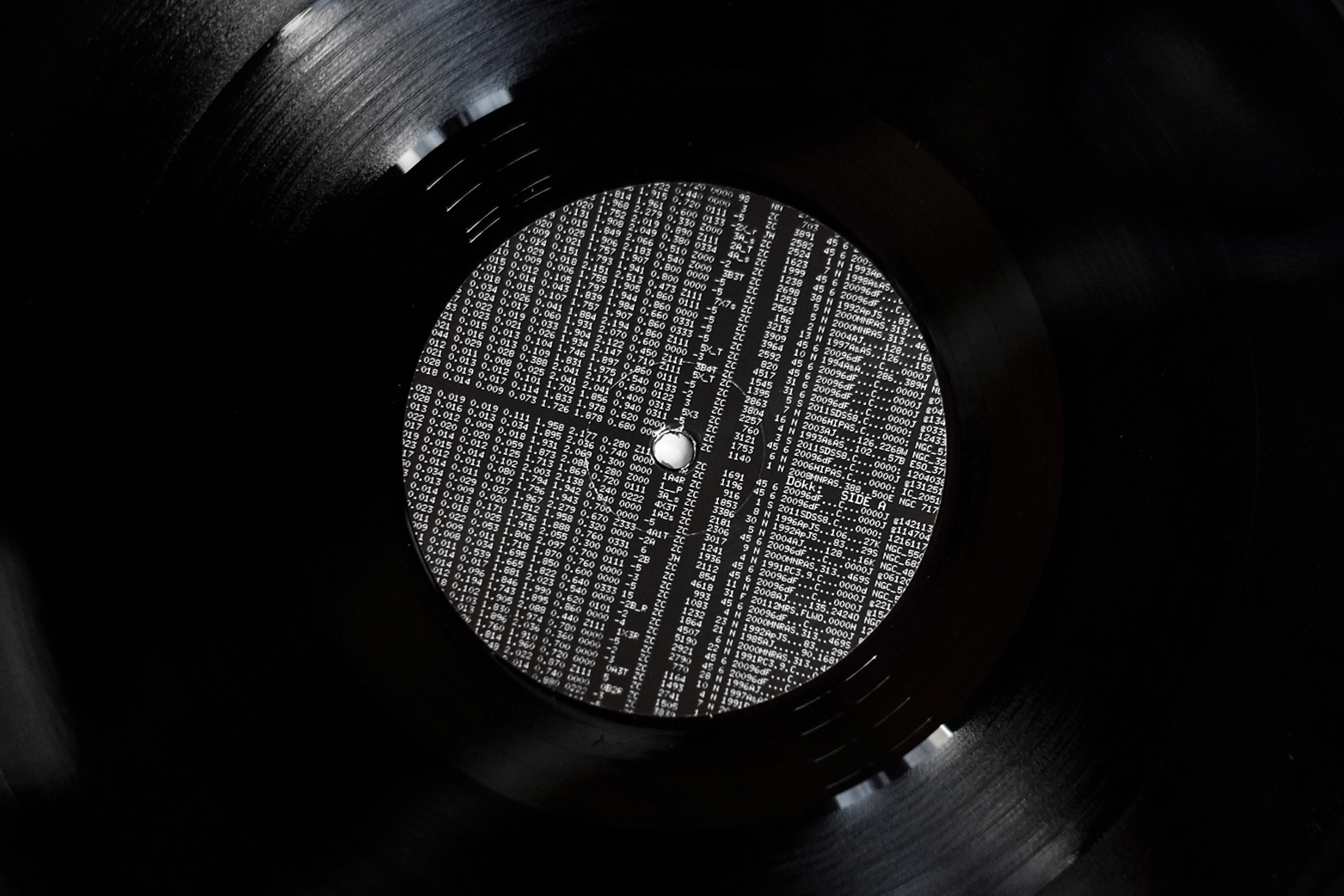
Dökk’s original soundtrack is available on double 12" gatefold vinyl exclusively on BANDCAMP. Digital formats are also available on Spotify and Amazon.
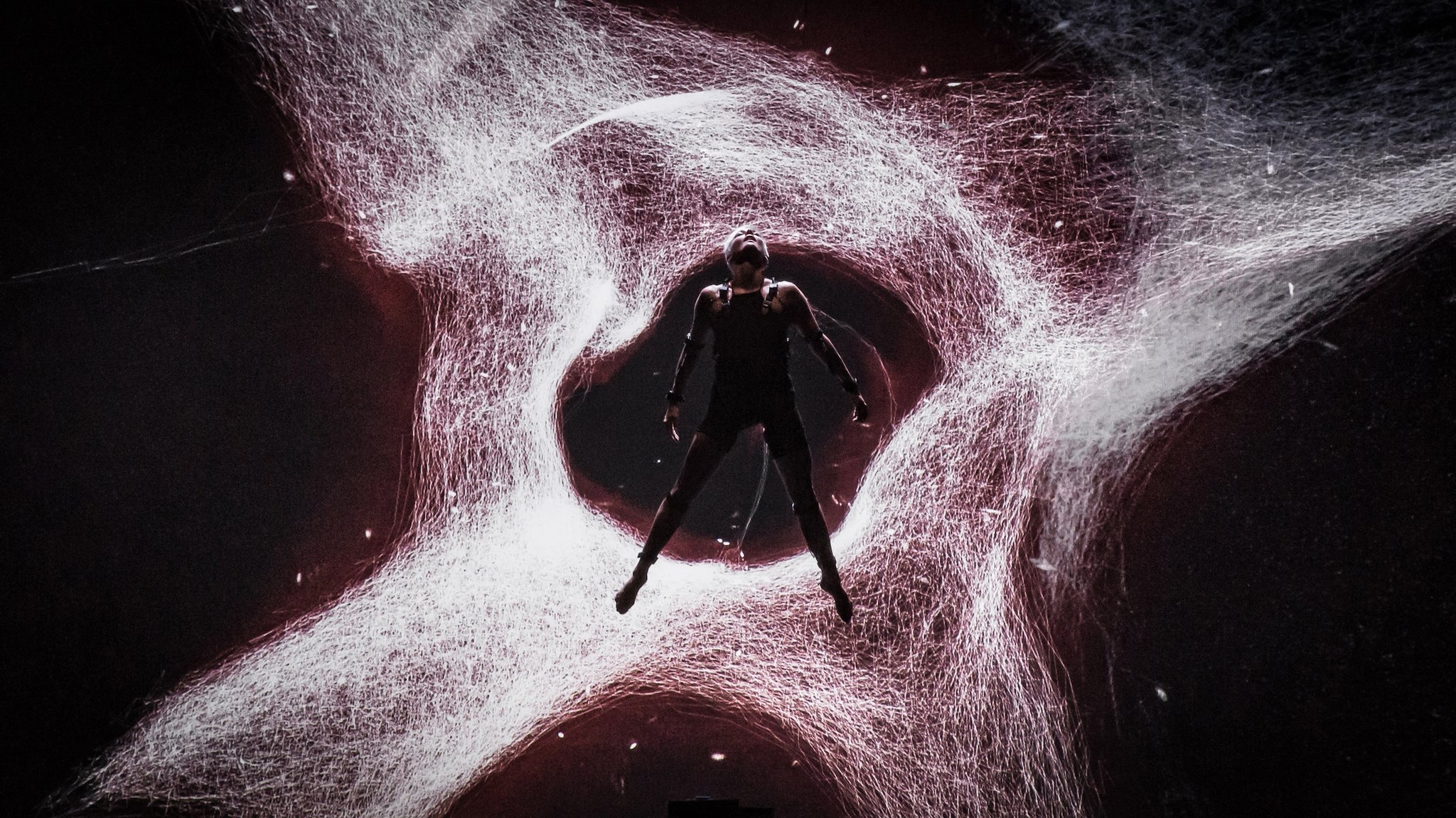
ph. Enrico Maria Bertani
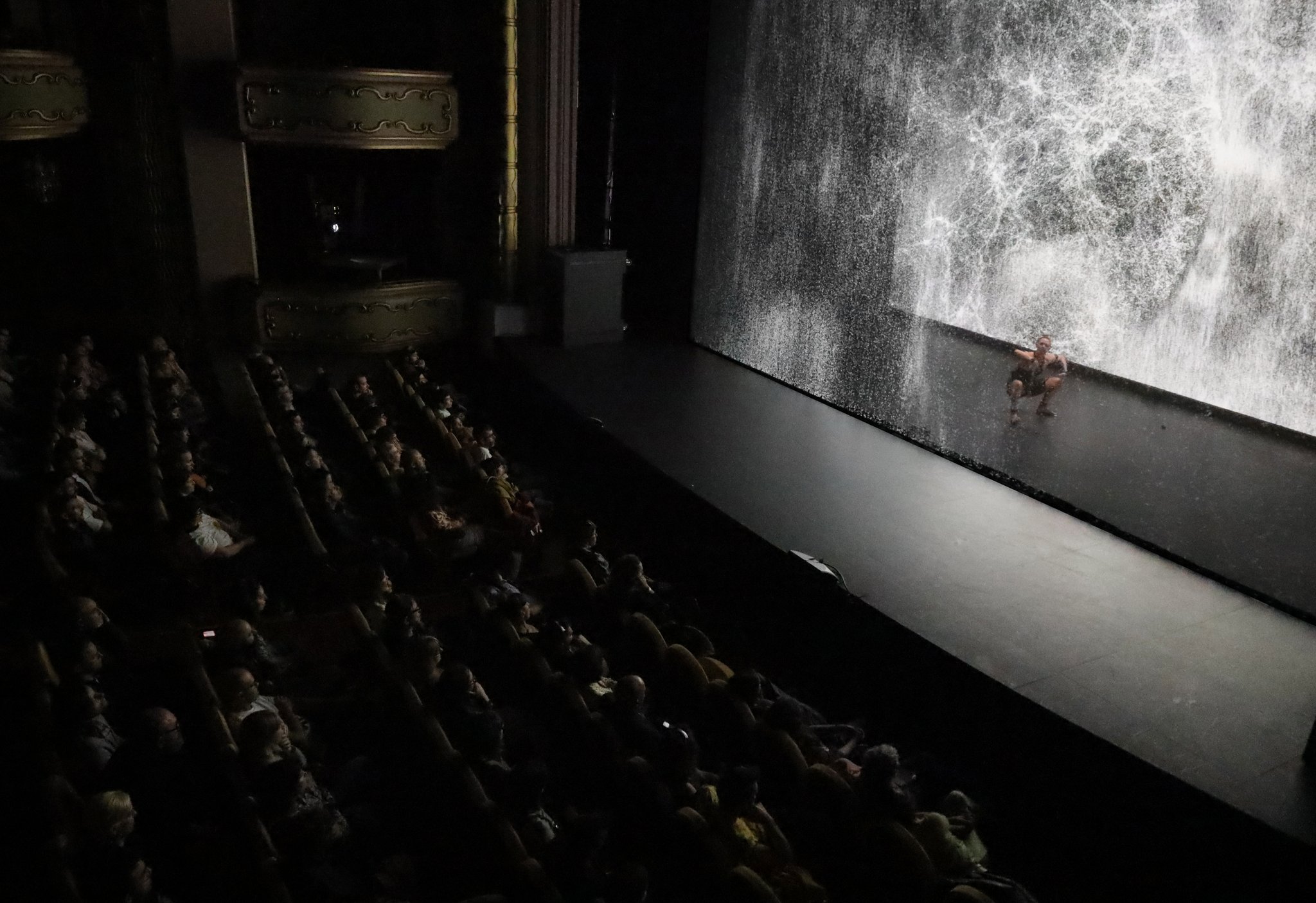
LEV Festival, 2023
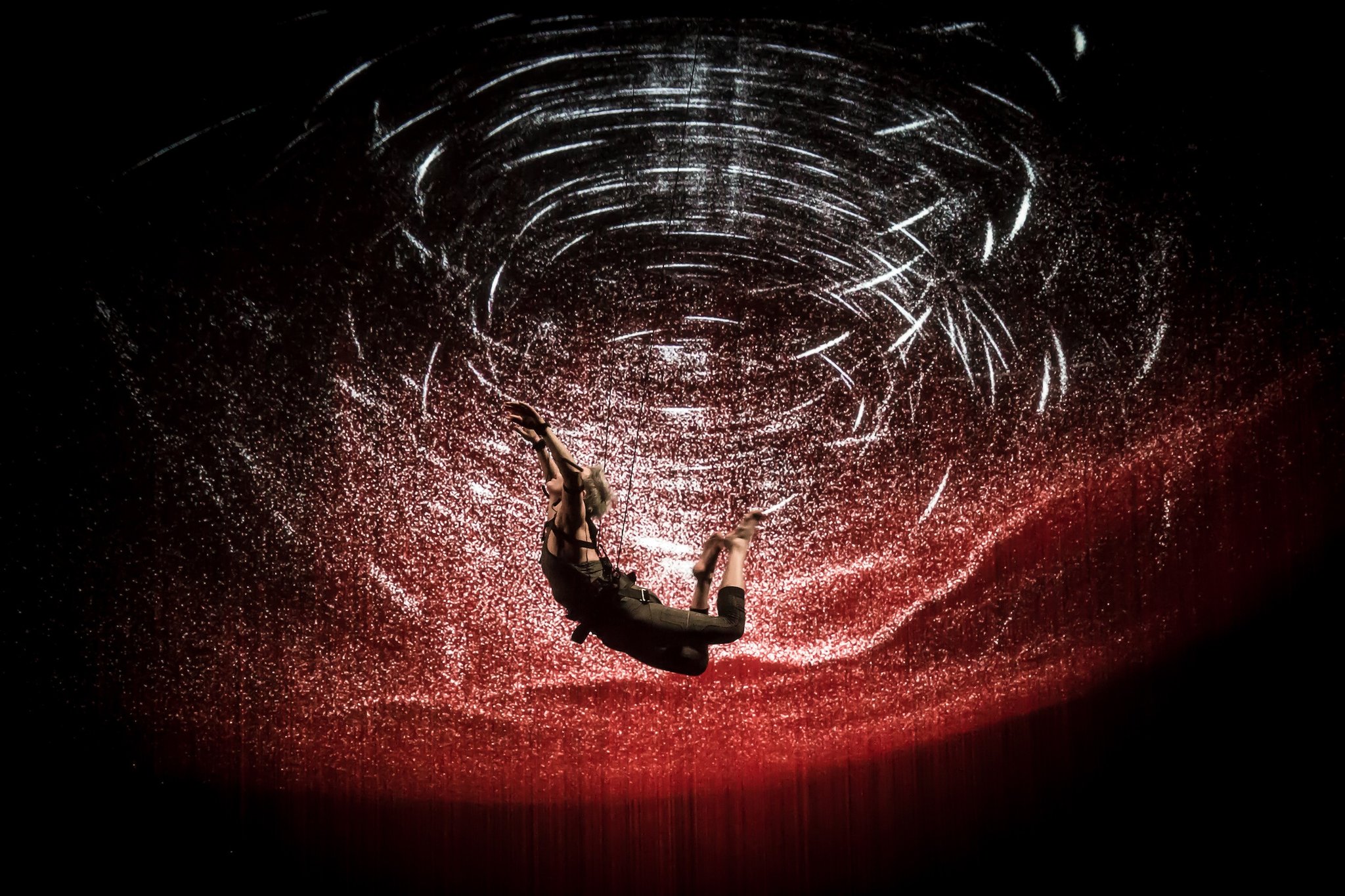
ph. Enrico Maria Bertani
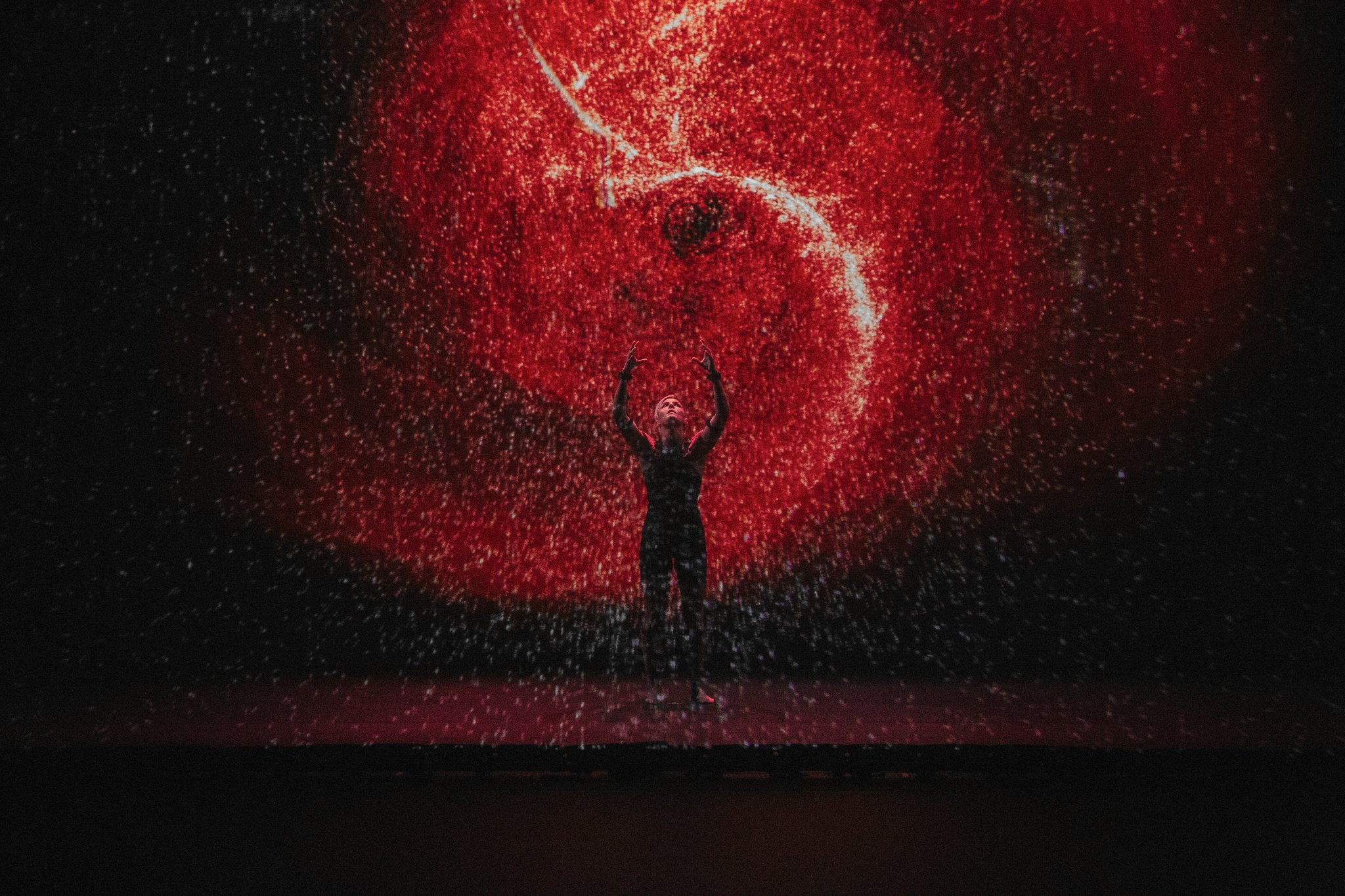
TodaysArt, 2019
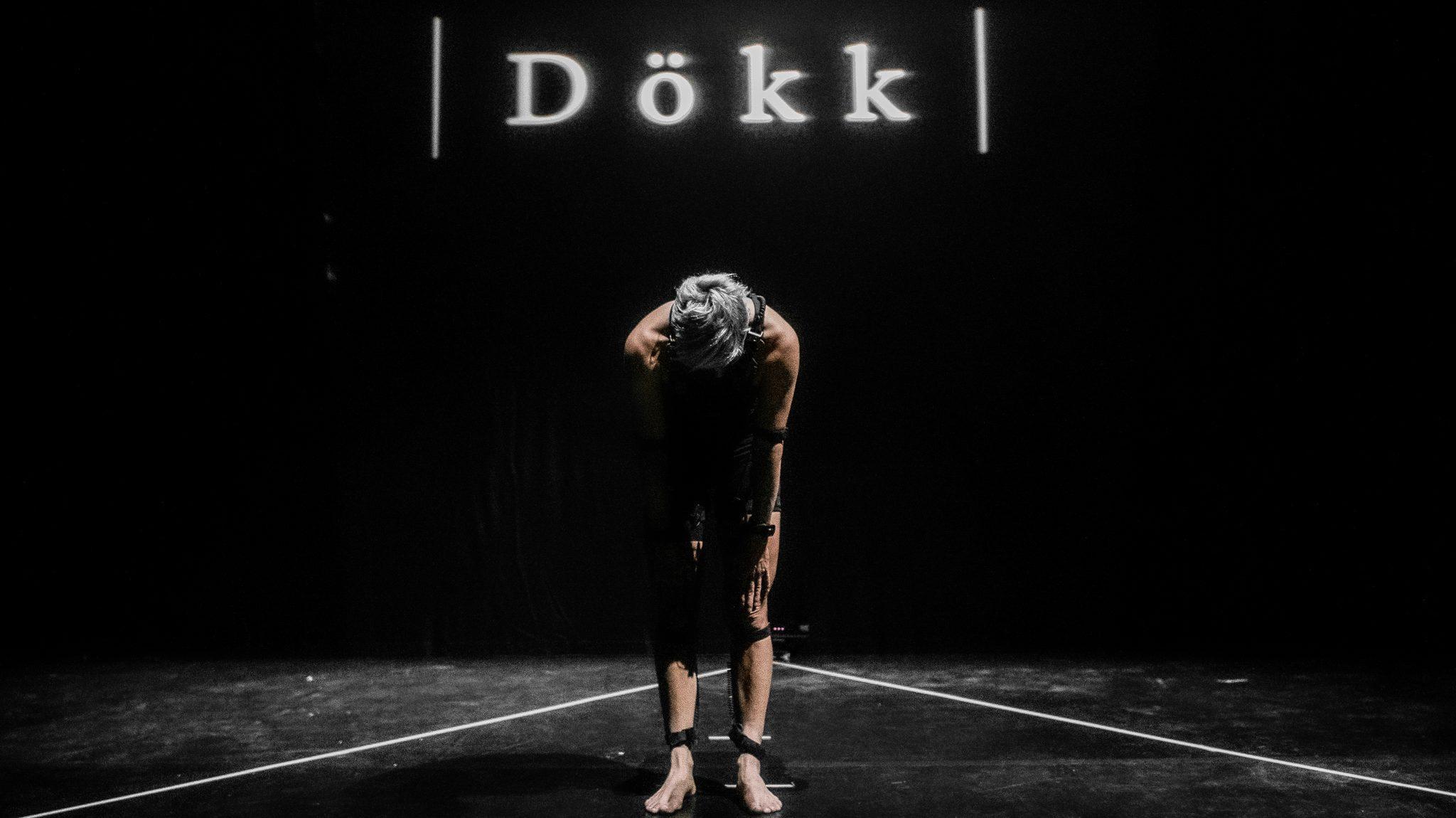
Biela Noc, 2017
Dökk is an artwork by fuse*
Direction and Executive Production: Mattia Carretti, Luca Camellini
Concept: Mattia Carretti
Performer, Choreographer: Elena Annovi
Software Supervision: Luca Camellini
Software: Paolo Bonacini, Matteo Mestucci, Samuel Pietri
Sound Design: Riccardo Bazzoni
Hardware Engineering: Matteo Mestucci
Production Manager: Filippo Aldovini
Support for Concept Development: Giulia Caselli
Scientific Consultant: Margherita Carretti
Collaborators: Mark van de Korput, Clizia Welker, Enrico Viola
Light Design: Marcello Marchi
Video Report: Matteo Torsani
Photo Report: Enrico Maria Bertani, Emmanuele Coltellacci
In collaboration with La Corte Ospitale – Progetto residenziale 2016.
Patchlab Digital Art Festival, Krakow (PL)
MUTEK MX, Mexico City (MX)
Yokohama Kannai Hall, Yokohama (JP)
Duke University, Durham (US)
FIAV: Festival International d'art Vidéo de Casablanca, Casablanca (MA)
Teatro Asioli, Reggio Emilia (IT)
Rozdroże Festival, Warsaw (PL)
LEV festival, Gijón (ES)
FESTSPIELE, Ludwigshafen (DE)
KIKK Festival, Namur (BE)
Bailar Apantalla Festival, Guadalajara (MX)
Digilogue c/o Zorlu Performing Arts Center, Istanbul (TR)
Tbilisi International Festival of Theatre, Tbilisi (GE)
Arts@Tech c/o Georgia Tech Arts, Atlanta (US)
TodaysArt, Den Haag (NL)
MUTEK, Montreal (CA)
Teatro de la Ciudad, Purísima del Rincón (MX)
MUTEK.SF, San Francisco (US)
RomaEuropa, Rome (IT)
IMPACT festival, Hasselt (BE)
Week53 festival, Salford (UK)
Athens Digital Arts Festival, Athens (GR)
Di palco in palco, Matera (IT)
AvantScène, Cognac (FR)
In BETWEEN. Dialoghi di luce @ CUBo, Bologna (IT)
ACT Festival, Gwangju (KR)
TAxT Festival, Taoyuan (TW)