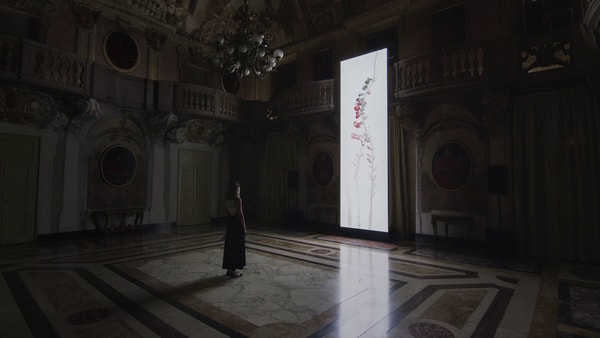
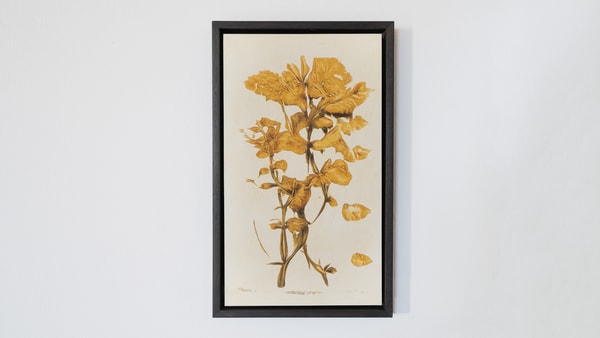
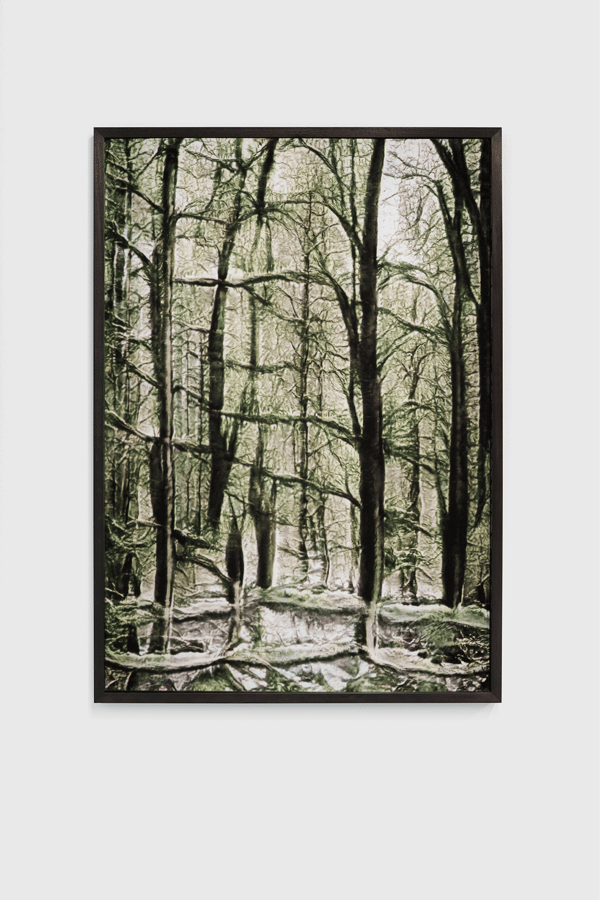
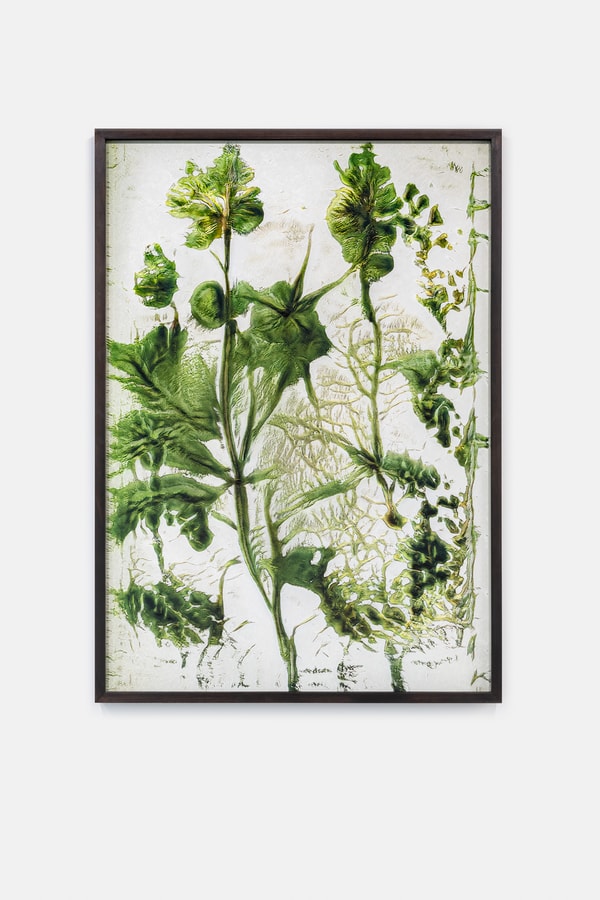
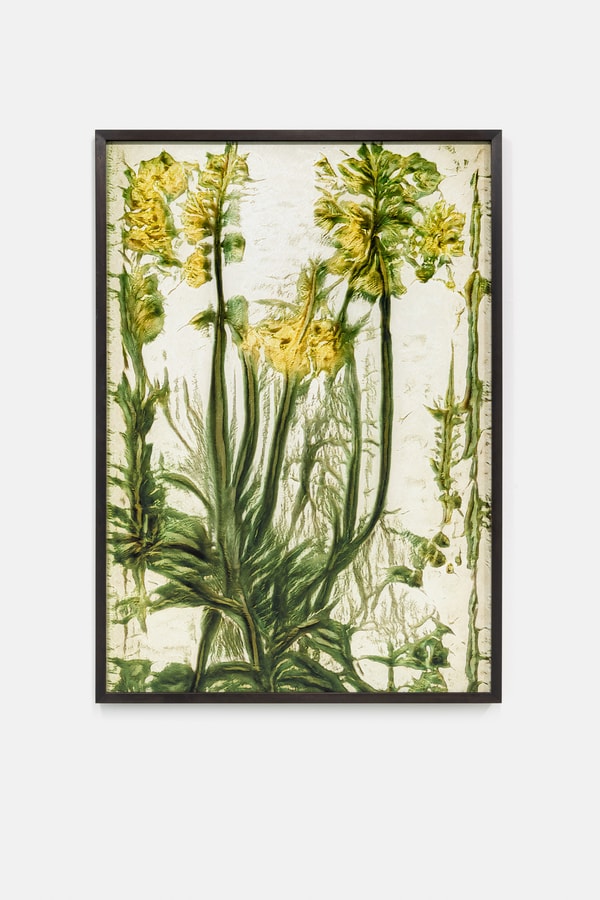
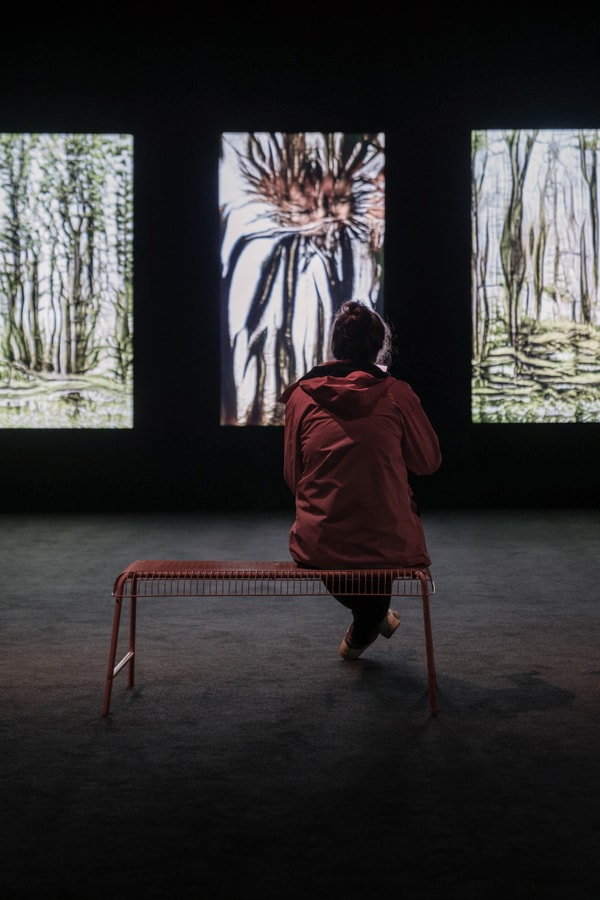
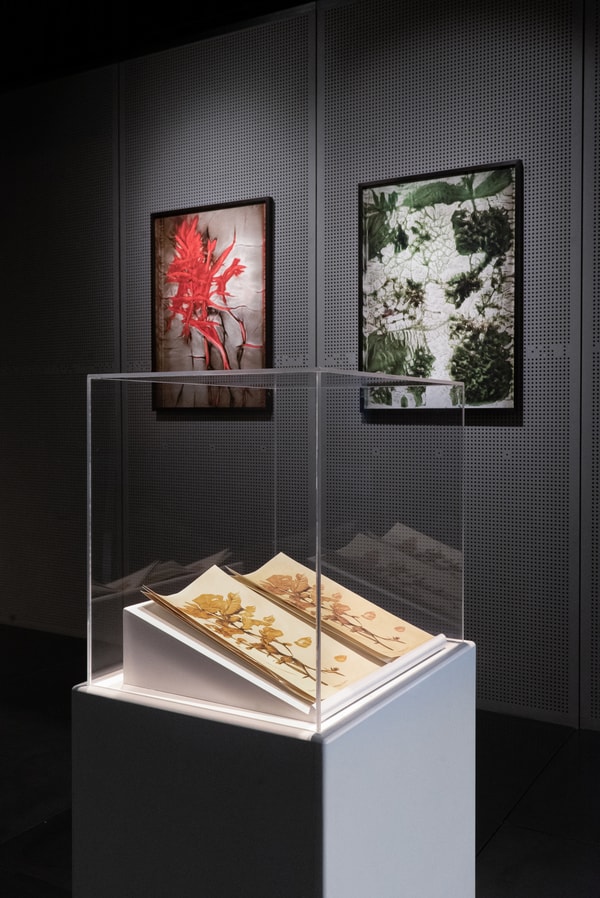
Artificial Botany is an ongoing project which explores the latent expressive capacity of botanical illustrations through the use of machine learning algorithms.
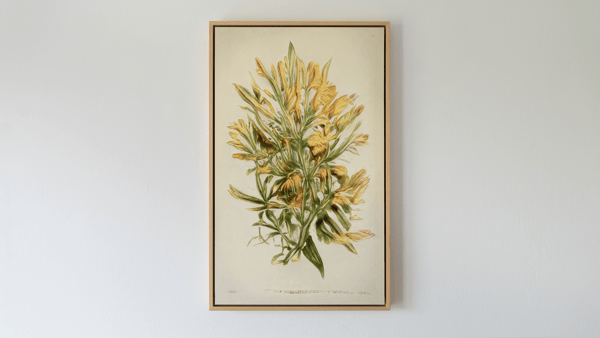
Before the invention of photography, botanical illustration was the only way to visually record the many species of plants. These images were used by physicists, pharmacists, and botanical scientists for identification, analysis, and classification. While these works are no longer scientifically relevant today, they have become an inspiration for artists who pay homage to life and nature using contemporary tools and methodologies. Artificial Botany draws from public domain archive images of illustrations by the greatest artists of the genre, including Maria Sibylla Merian, Pierre-Joseph Redouté, Anne Pratt, Marianne North, and Ernst Haeckel.
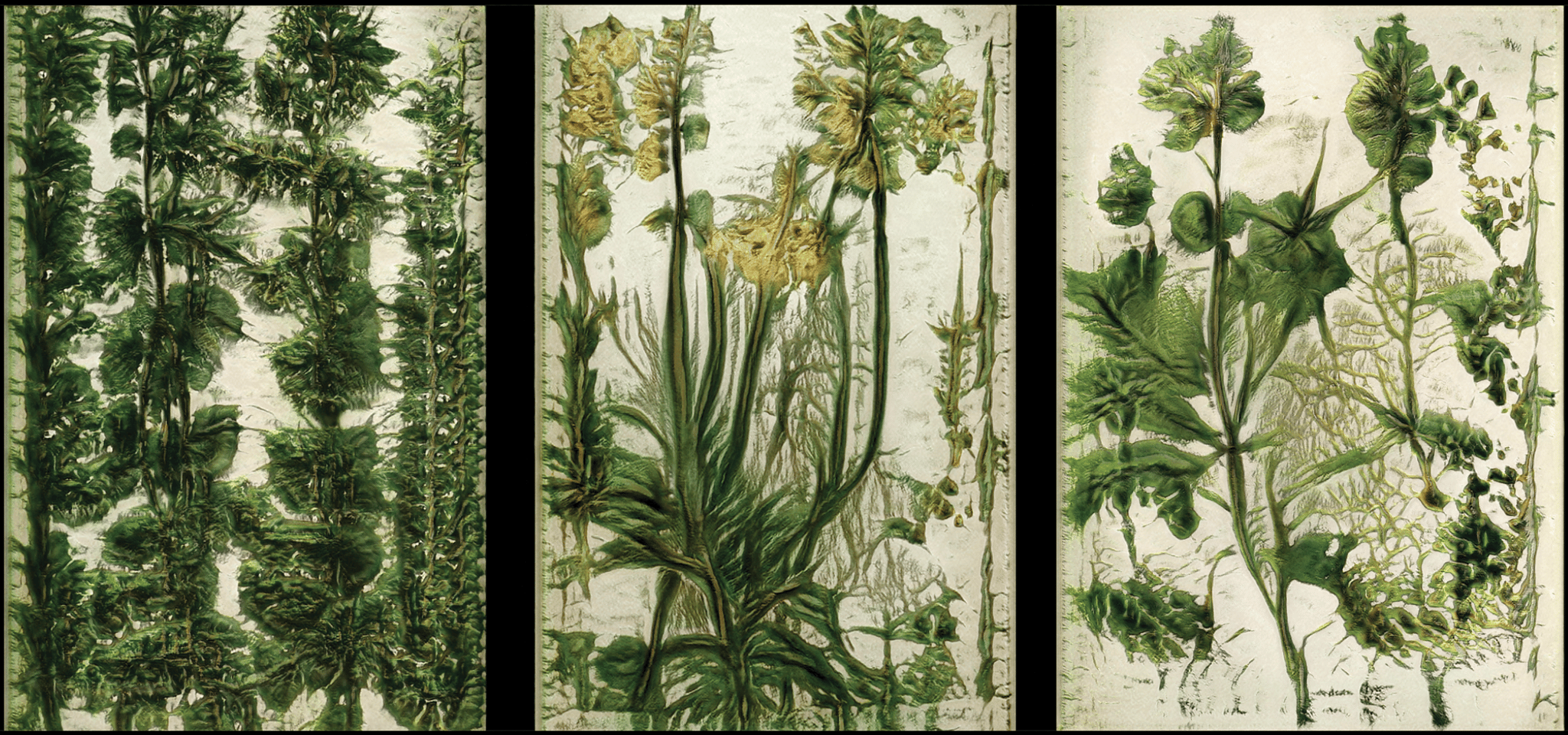
Developing as an organism in an interweaving of forms that are transmitted and flow into each other, the plant is the symbol of nature’s creative power. In this continuous activity of organising and shaping forms, two opposing forces in tension are confronted: on one hand, the tendency to the shapeless, the fluidity of passing and changing; on the other, the tenacious power to persist, the principle of crystallisation of the flow, without which it would be lost indefinitely. In the dynamic of expunction and contraction that marks the development of the plant, beauty manifests itself in that moment of balance which is impossible to fix, caught in its formation and already in the point of fading into the next one.
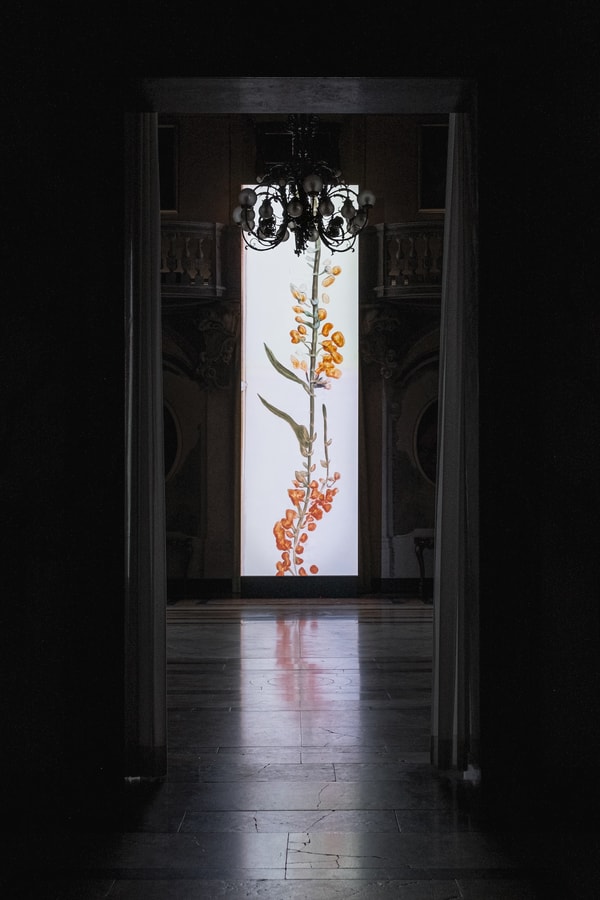
Artificial Botany responds to the need to describe the creative power of nature both in visual and conceptual terms, restoring the concept of mutability, transience and evolution as basic elements of life. This multidisciplinary series combines digital and analogue prints with immersive video installations: a series so multifaceted that brings out the metamorphic characteristic of existence - everything changes constantly.
CosmoCaixa, 2021
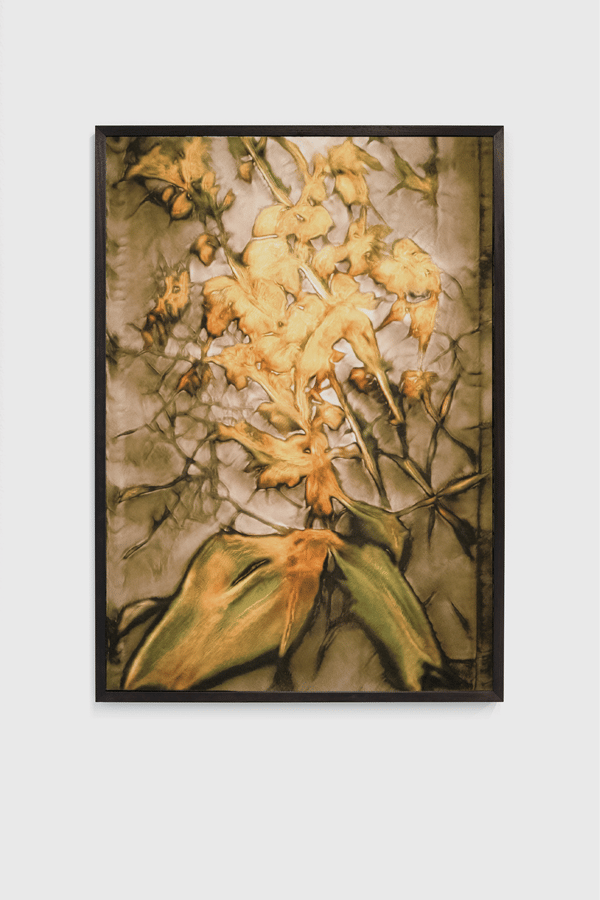
The creative process at the foundation of Artificial Botany is based on a particular machine learning system called GAN (Generative Adversarial Network). Through a training phase using botanical illustrations, the system can recreate new artificial images with morphological elements extremely similar to the initial figures: not an exact copy of the original image, but a reinterpretation of it. The machine re-elaborates the content by creating a new language, capturing the information and artistic qualities of man and nature.
GANs are made up of two networks that compete with one another in a zero-sum game framework: the first network is called a generator and its job is to generate data from a random distribution. These data are then conducted to the second network, the discriminator: based on the data acquired during the learning phase, it learns to decide whether the distribution of the generator data is close enough to what the discriminator knows as the original data. If the value generated does not meet the requirements, the process will be repeated until the result is obtained. GANs typically run unsupervised, teaching themselves how to mimic any given distribution of data - meaning that once trained they can replicate novel content starting from a specific dataset.
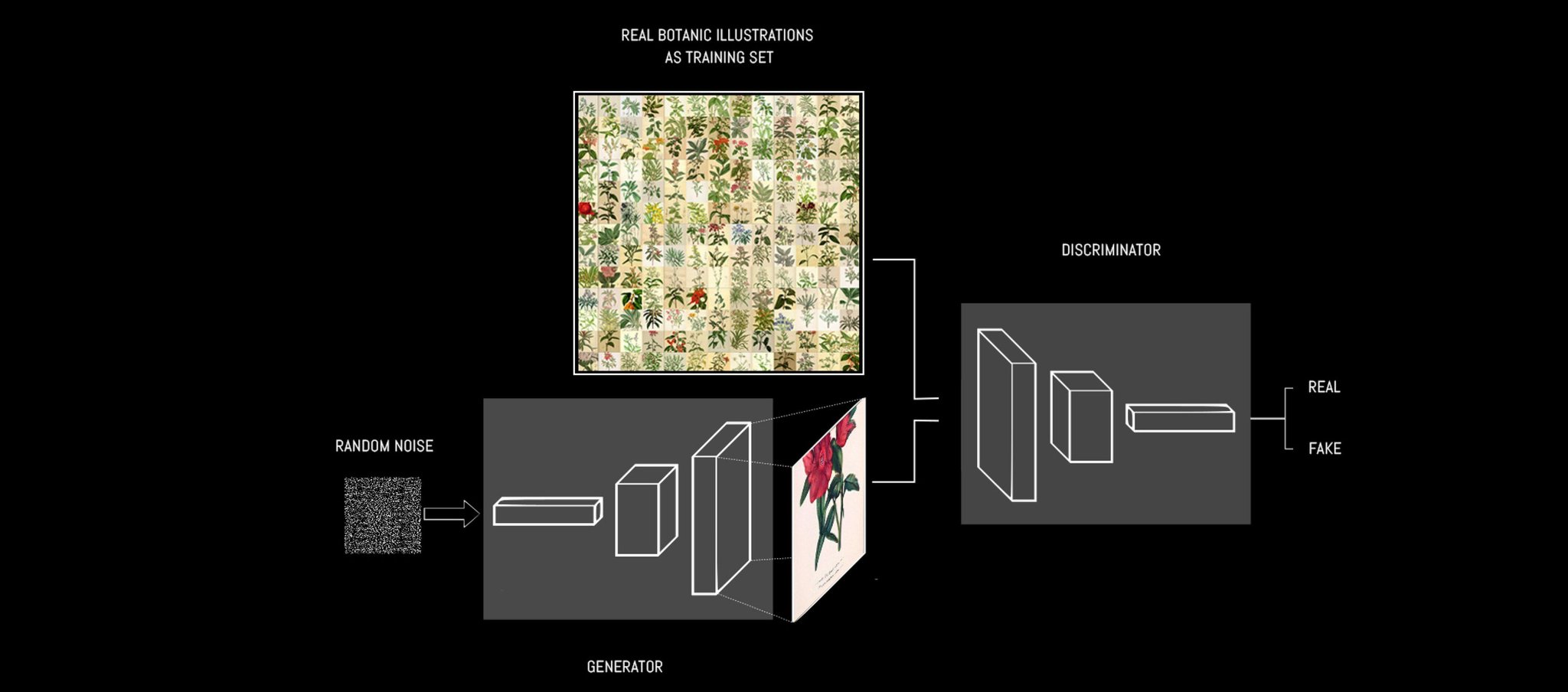
The first step in establishing a GAN is to identify the desired output and gather an initial training dataset based on those parameters. This data is then randomised and input into the generator until it acquires basic accuracy in producing outputs.
In an unconditioned generative model, there is no direct control over the model and the data being generated. However, by conditioning the model on additional information it is possible to direct the data generation process. Such conditioning could be based on class labels, on some parts of data for painting-like features, or even on data from different modalities.
This system can be put in place infinitely, each time obtaining a distinct result that reflects the starting dataset. Artificial Botany is thus an extremely versatile project, whose aesthetic and visual identity get redefined and transformed according to the dataset at the basis of the GAN elaboration. That is why Artificial Botany is subdivided into series: each one of them is peculiarly different but, at the same time, they all share the same synthetic aesthetic.
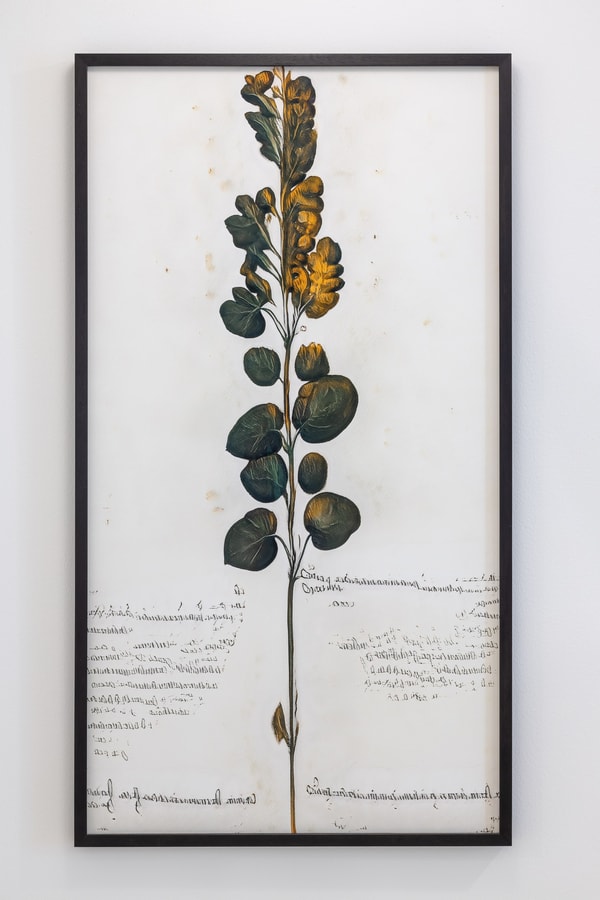
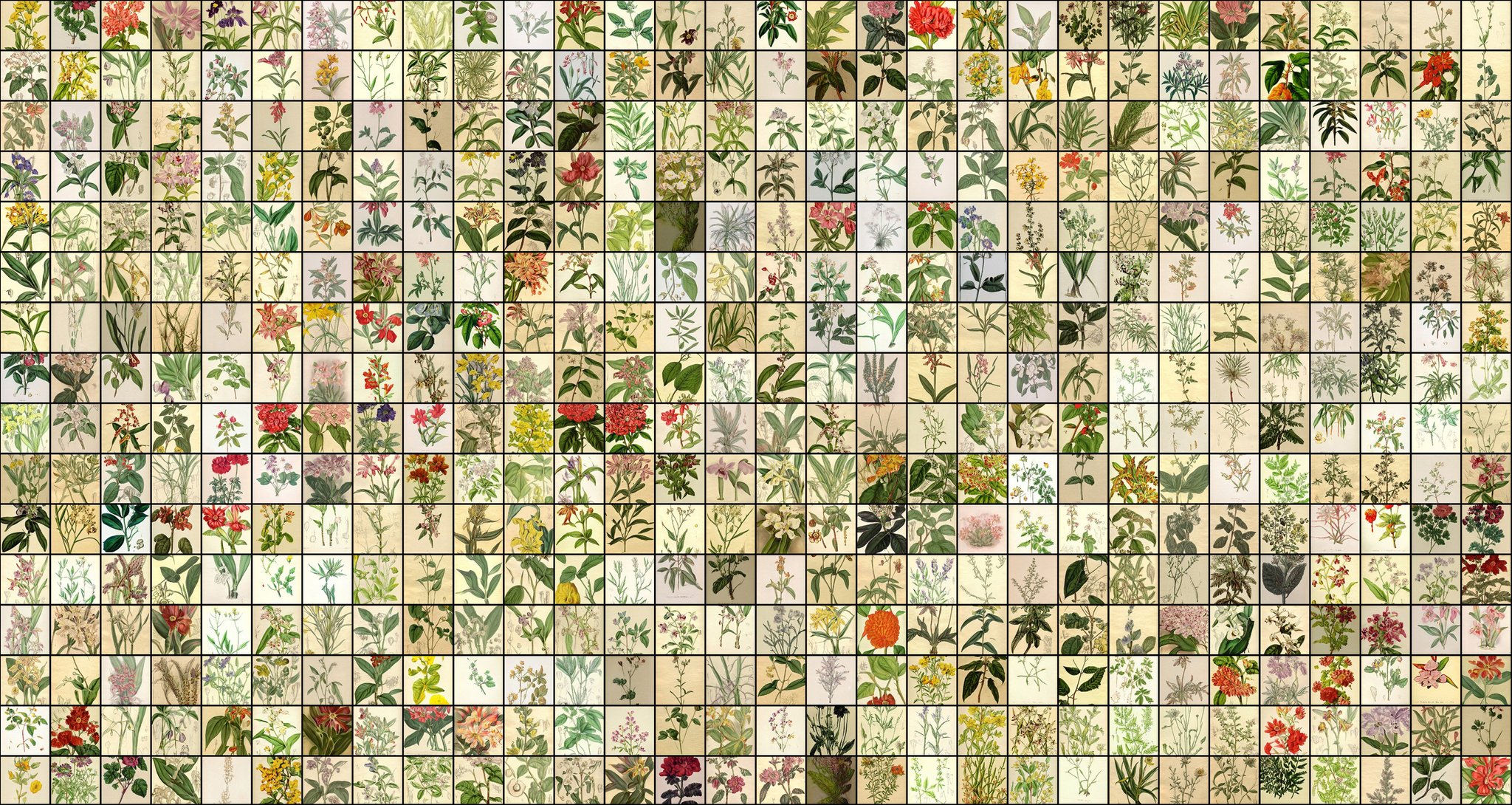
Artificial Botany was initially born as an internal R&D project: its first iteration was published online in 2019 and involved the speculative interaction between two AI systems. In this case, the machine learning system was able to create new botanical specimens while retaining information such as flower colours, leaf size or plant overall structure. The earliest instances of this work also featured a series of synthetic texts generated by the system, attempting to identify and describe the visuals it created through a neural network algorithm called “image-to-text translation”. These texts serve as direct references to the plant names and details that botanists traditionally added to the bottom of the page.
A second version was prototyped by developing a grid inside which 576 modules different from each other are gradually revealed. This narration offers an unusual perspective on the generative process allowing the viewer to appreciate the overall dynamics and, at the same time, the details of the individual elements.
Play
Pause
Mute
Mute
Mute
Unmute
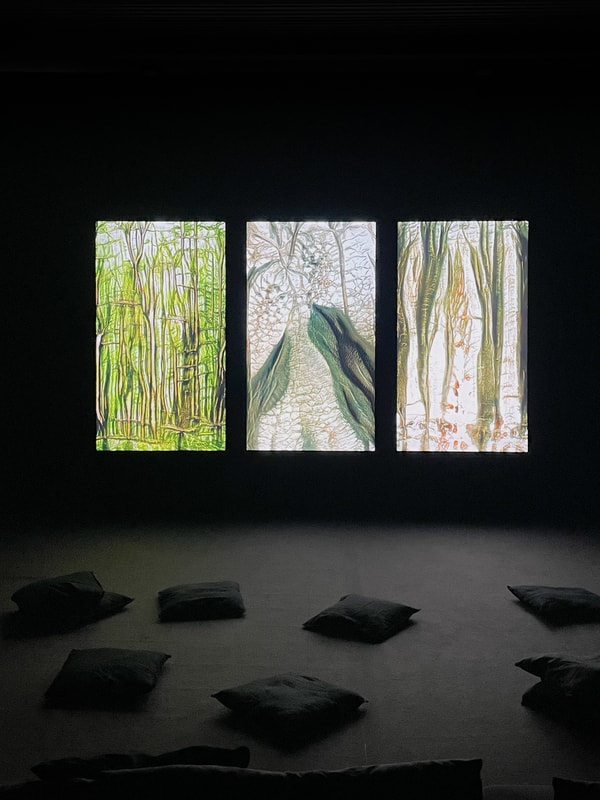
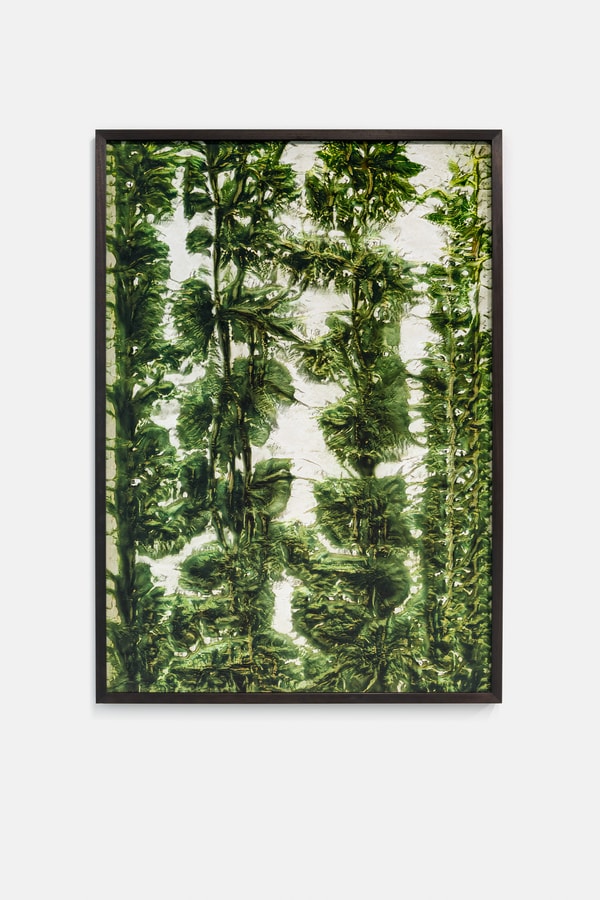
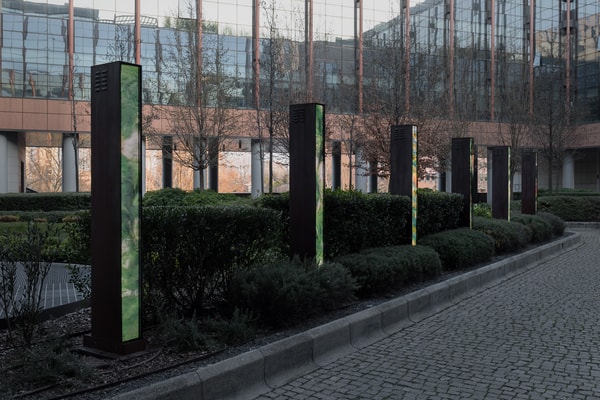
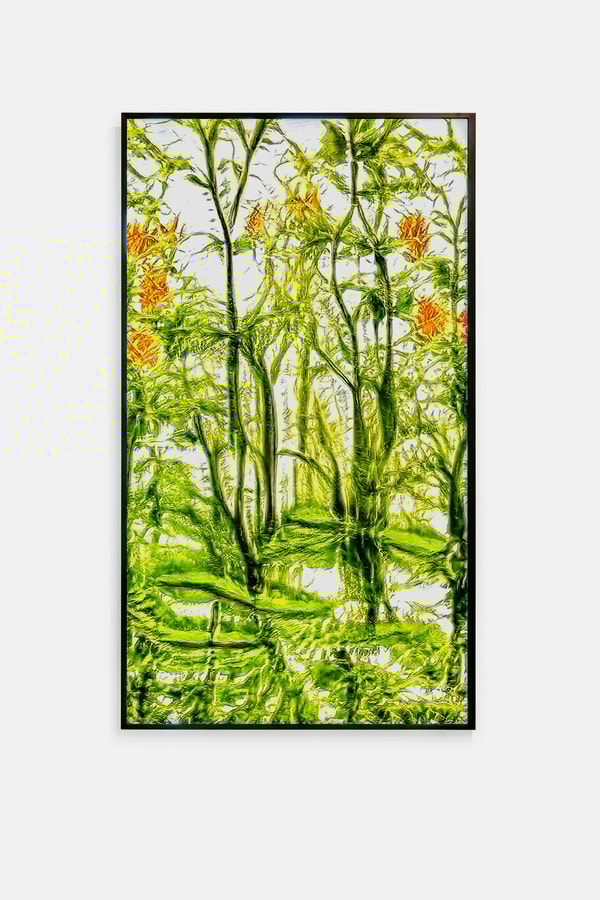
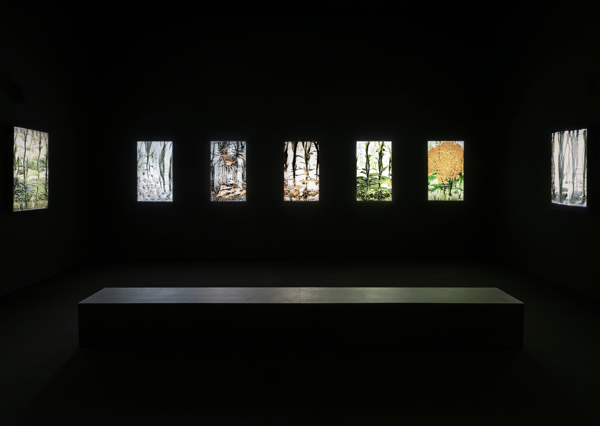
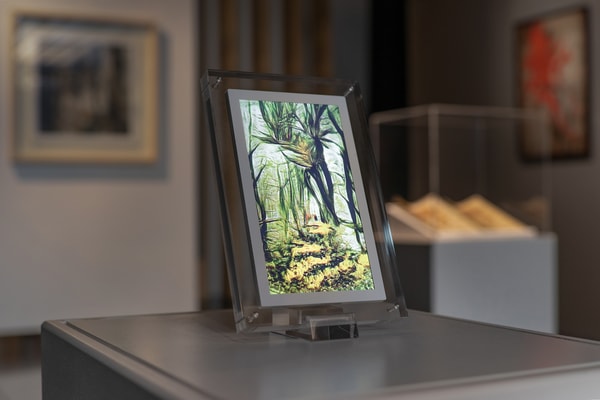
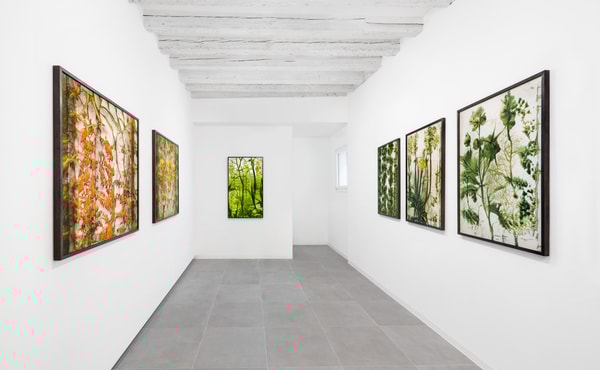
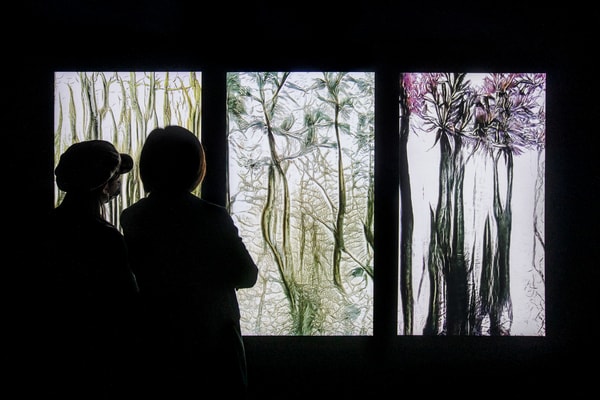
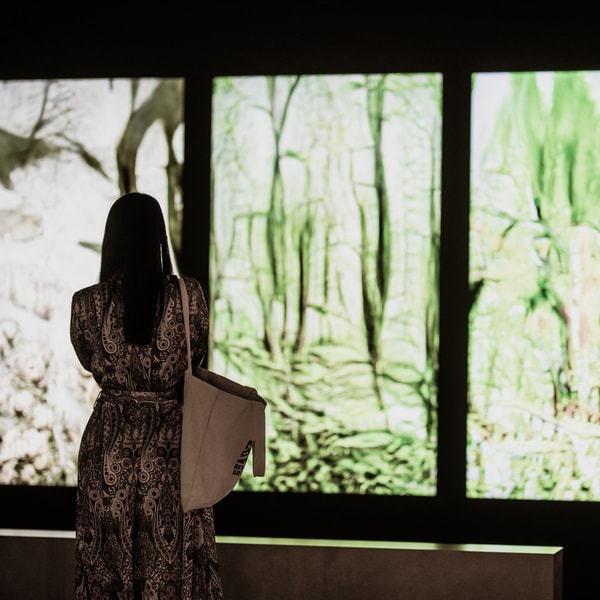
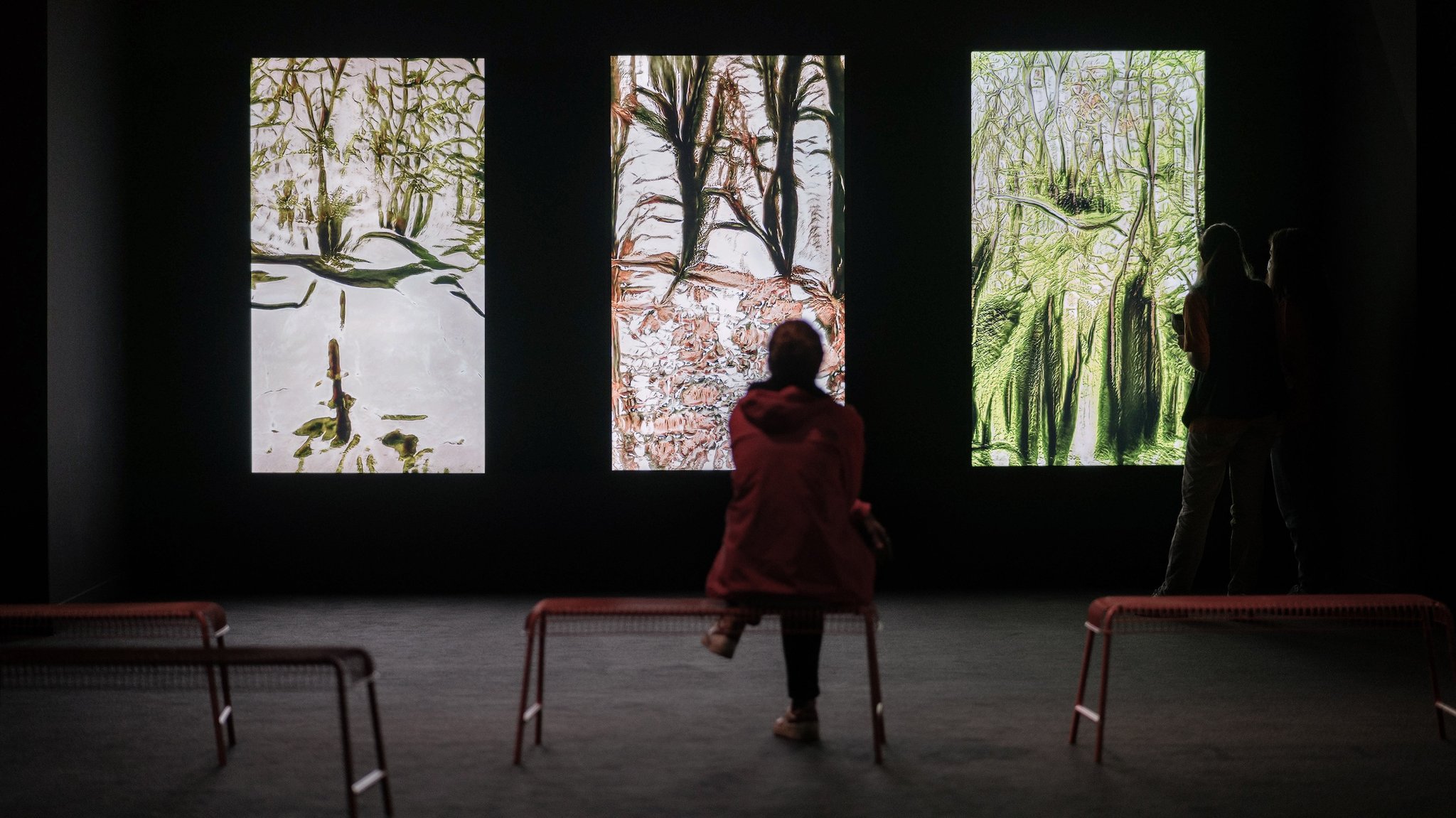
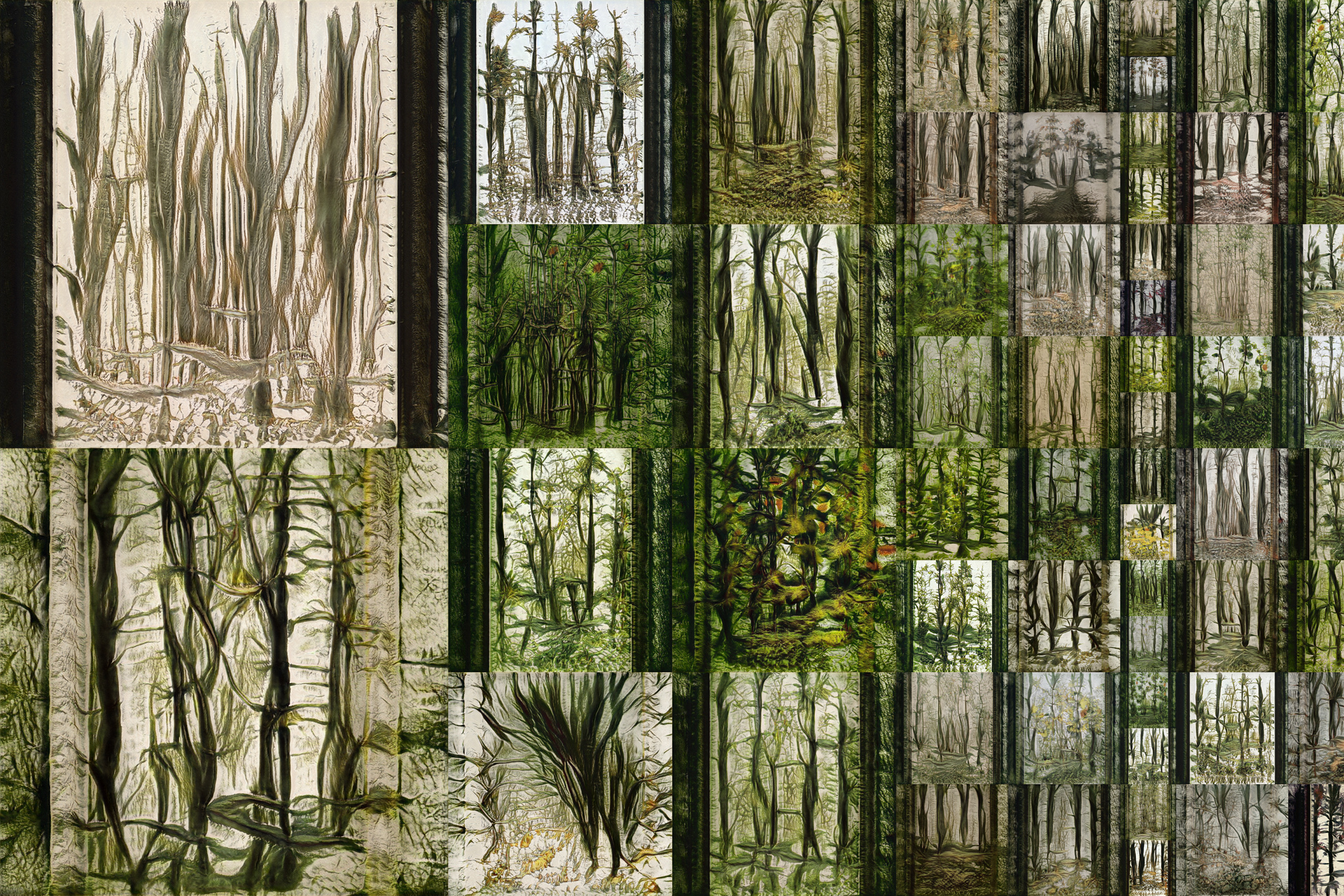
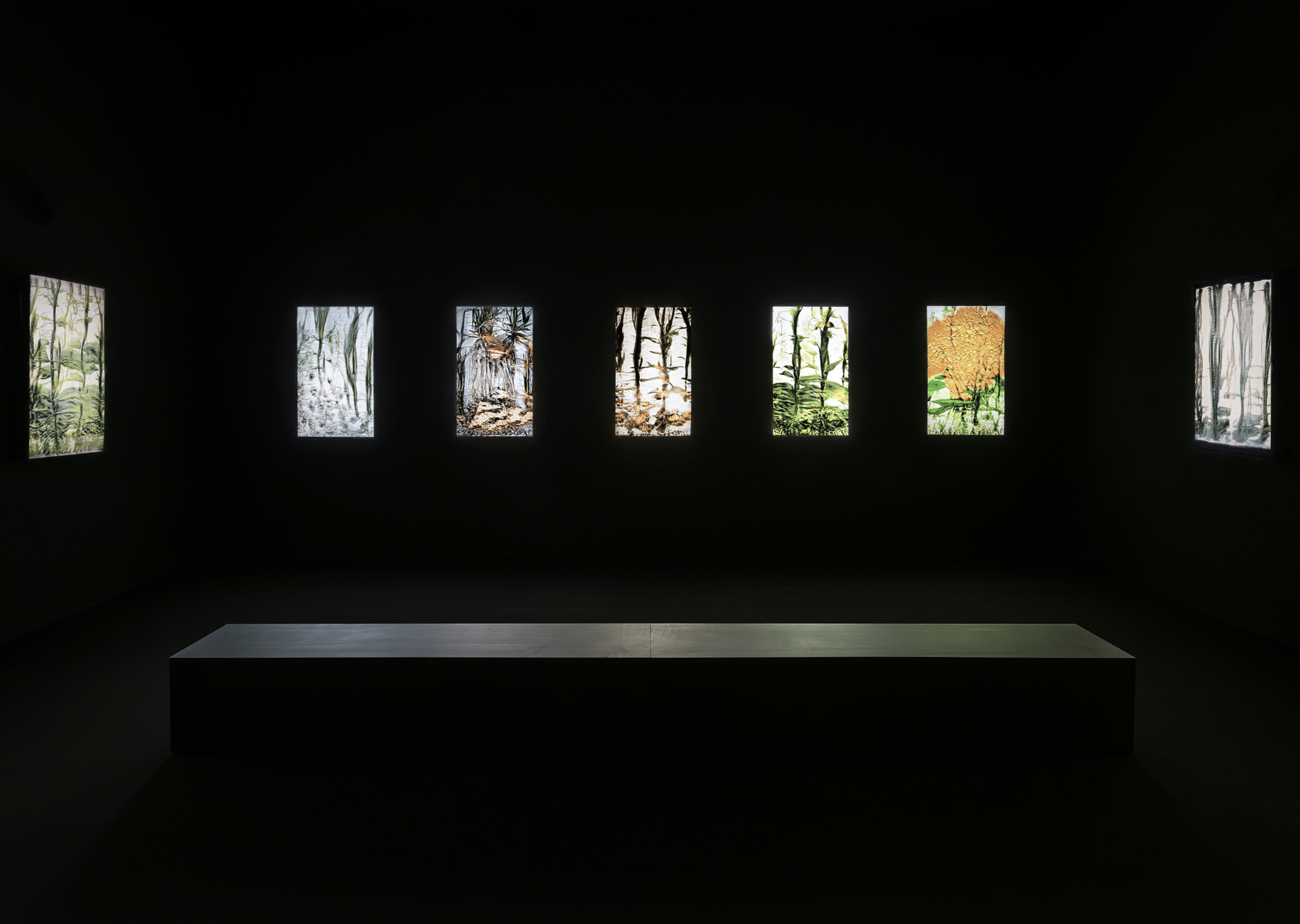
After these first generations, we further developed the process and produced a second series of works with a distinct, more abstract aesthetic. It was from this second interpretation that some of the most significant works by Artificial Botany were produced: in particular Artificial Botany .morphos III, which has been exhibited worldwide. The visuals of this series are characterised by morphing shapes that dominate the whole frame, reflecting the starting dataset constituted not by botanical illustrations but by pictures of leaves and forests.
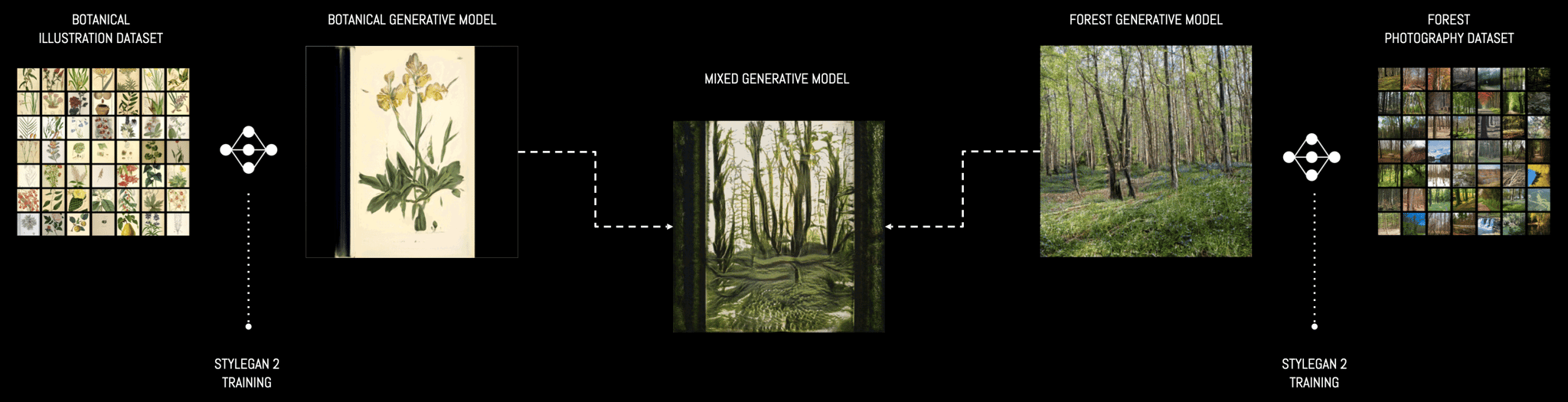
The creative process was characterised by a system called transfer learning, integrating it into the previously trained models: it consists of reusing or transferring information from previously learned tasks for the learning of new tasks has the potential to improve the efficiency of the network significantly. In this case, we started from the model previously trained and started a new training process with a new dataset composed of images of forests and leaves. It is particularly fascinating how the previously learned features, defining part of a plant illustration, slowly shift their meaning by outlining other parts of a mixed-complex structure.
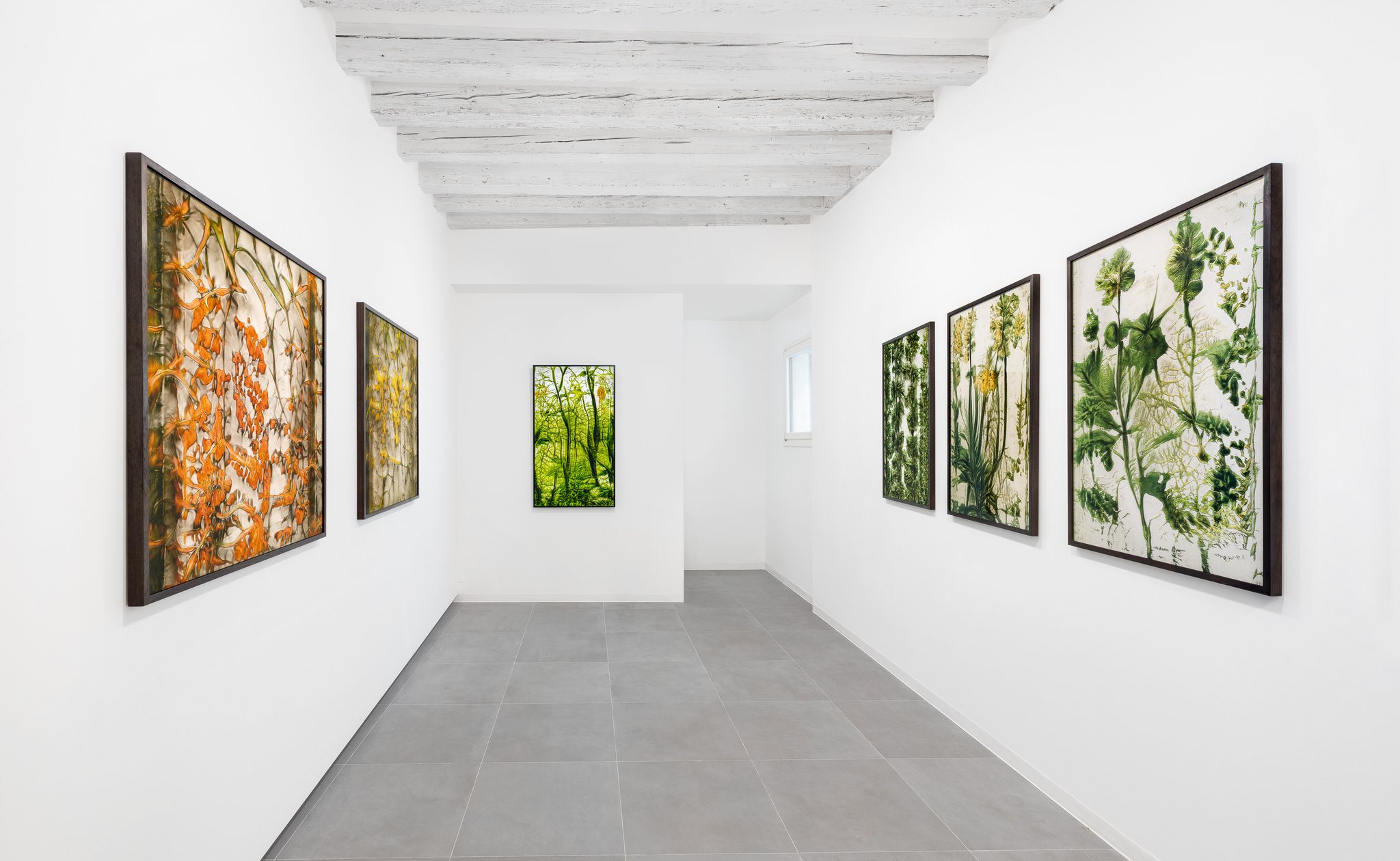
Marignana Arte, 2022
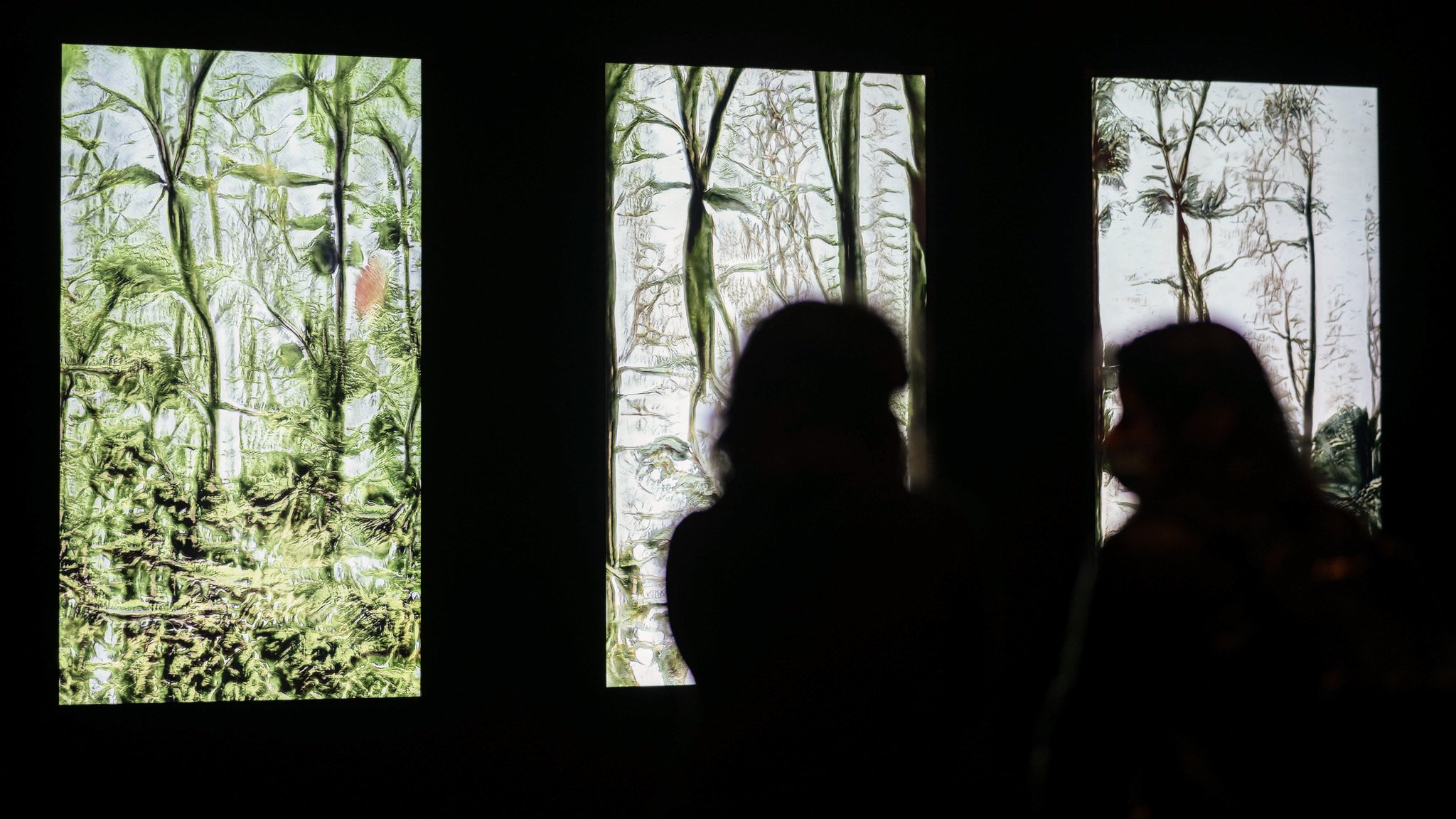
CosmoCaixa, 2021
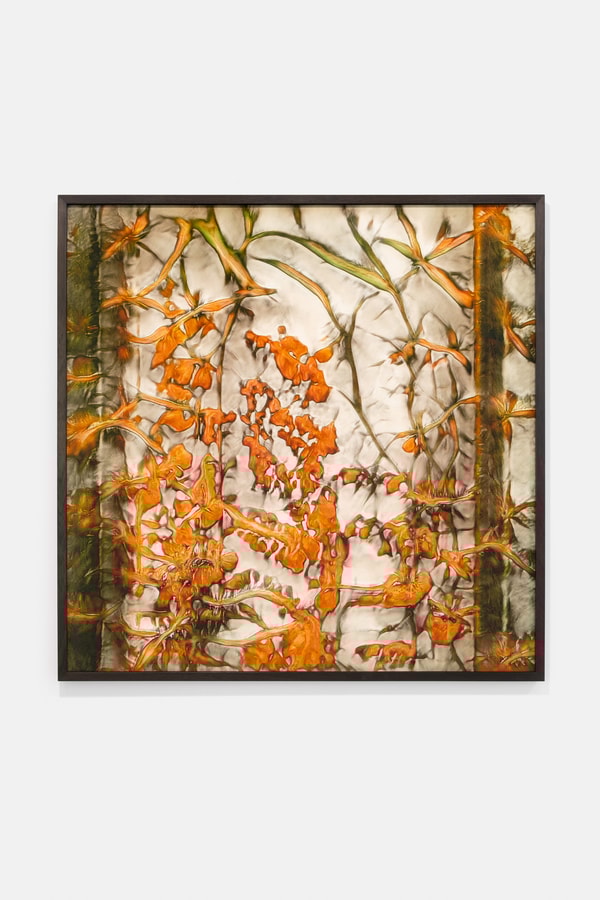
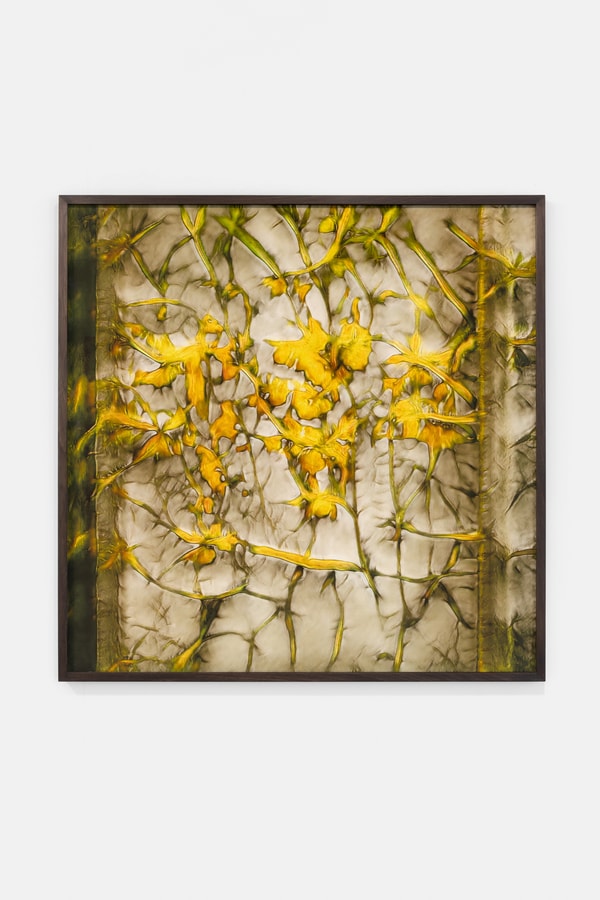
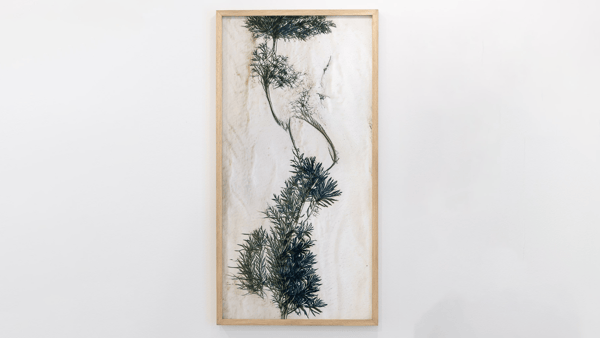
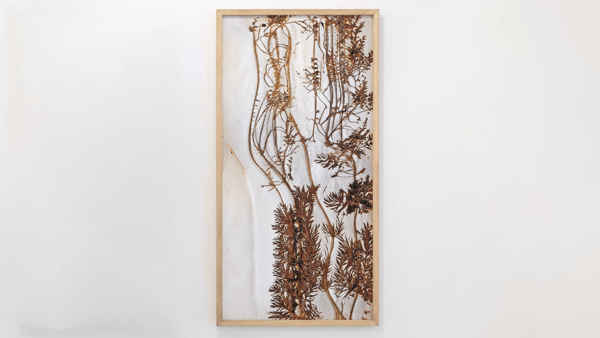
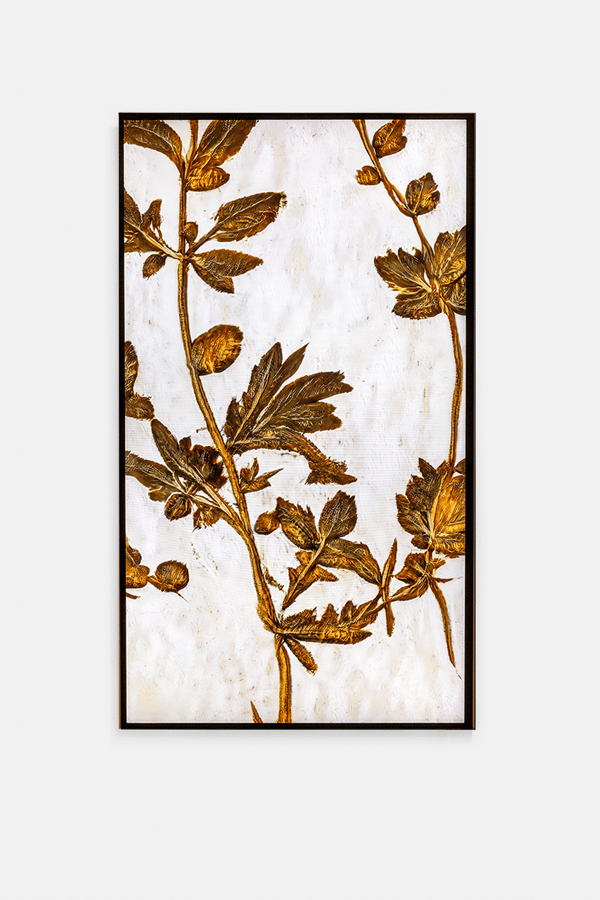
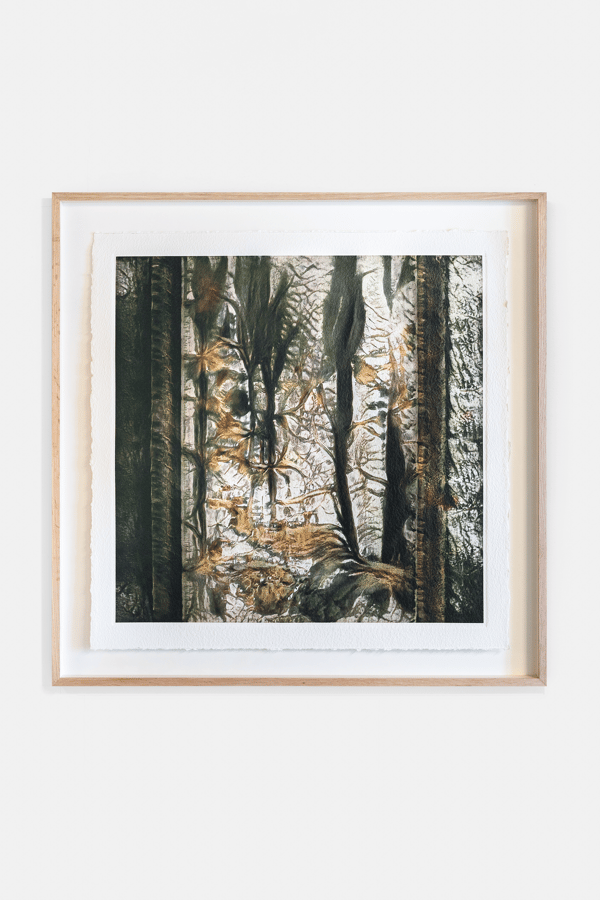
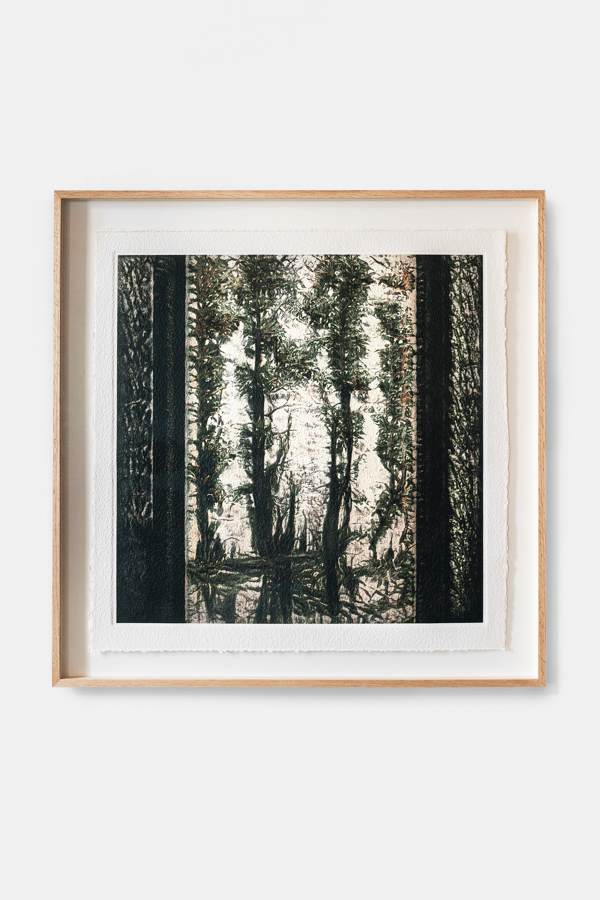
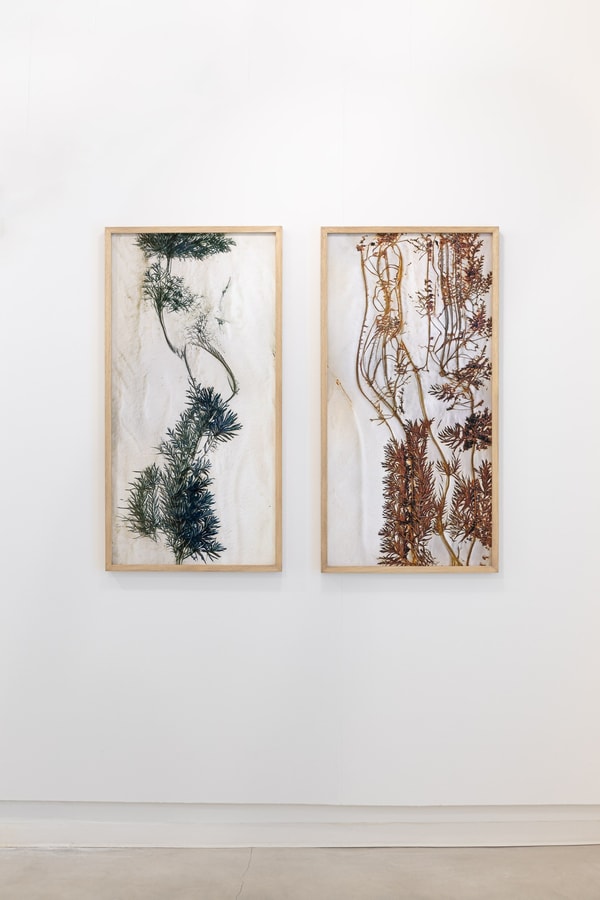
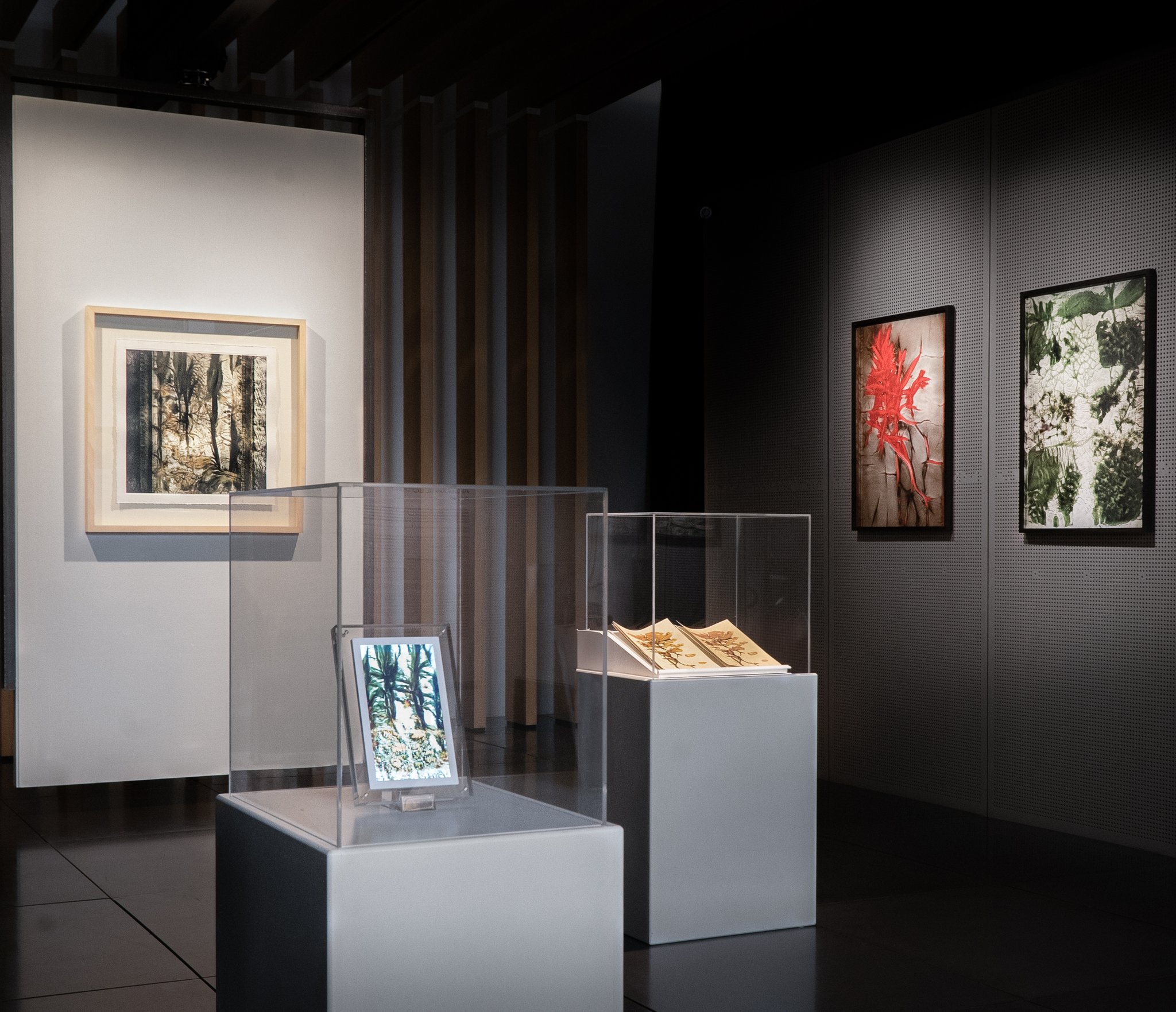
The Artificial Botany series has been further enriched thanks to the concession by BUB (University Library of Bologna), the Botanical Garden of Bologna and Alma Mater Studiorum. We have had the opportunity to access datasets of high-resolution images of the illustrated herbarium and the dry herbarium by Ulisse Aldrovandi (1522 - 1605), a famous botanist and Bolognese naturalist recognized by many as the father of modern Natural History.
By integrating the images of Aldrovandi's illustrations in the processing of Artificial Botany, a peculiar and unique version of the Aldrovandian botanical and imaginative sample collection was generated: a modern exploration of the original illustrations that allows to create relations between stylistic elements and details that would probably pass unnoticed by a human eye.
This new body of work was exhibited for the first time in the spaces of Cubo Unipol in Bologna from 18 January to 22 May 2022, on the occasion of our solo show “das.05 Mutamenti. Le metamorfosi sintetiche di fuse* and Francesca Pasquali”, curated by Federica Patti.
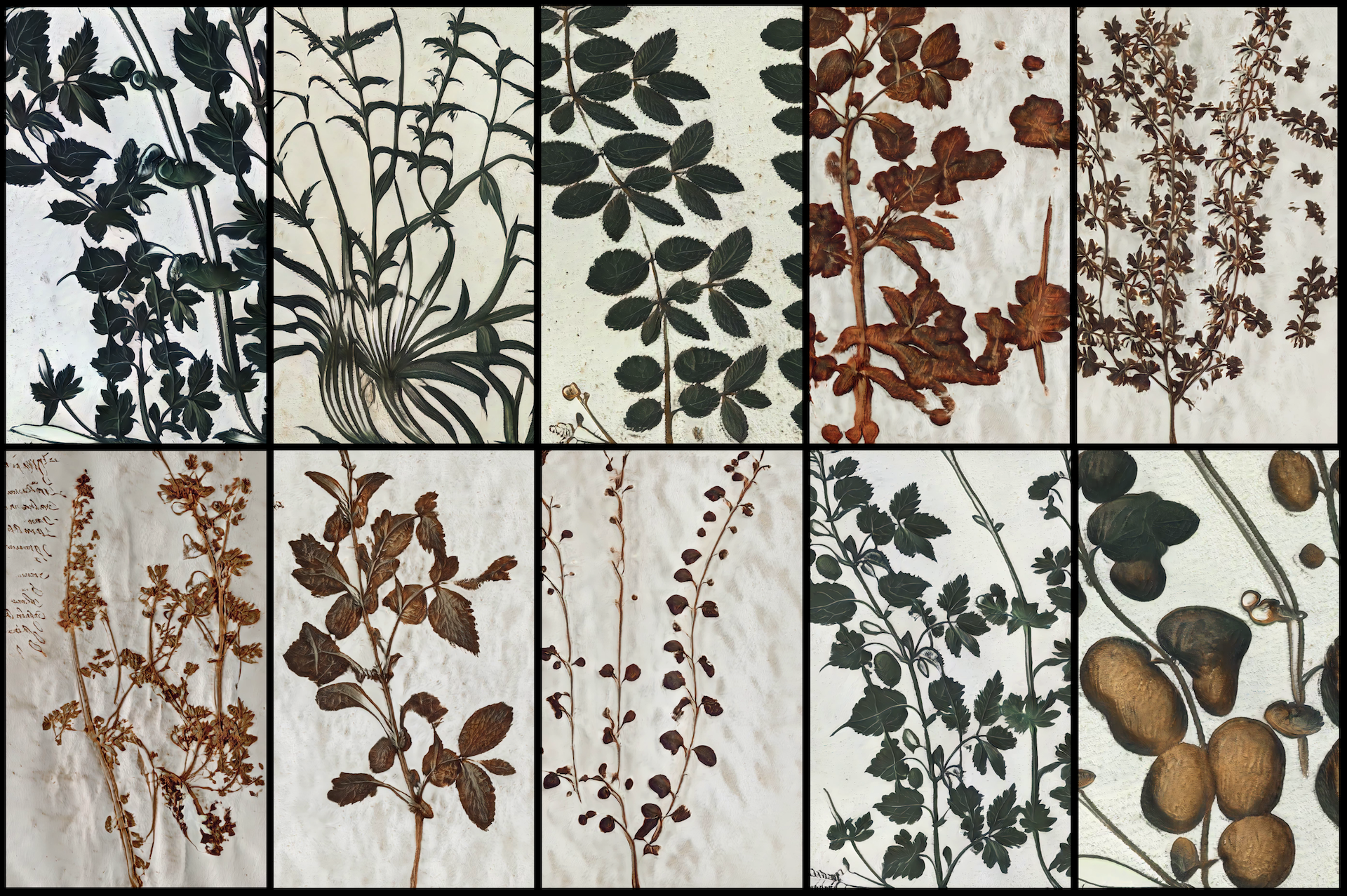
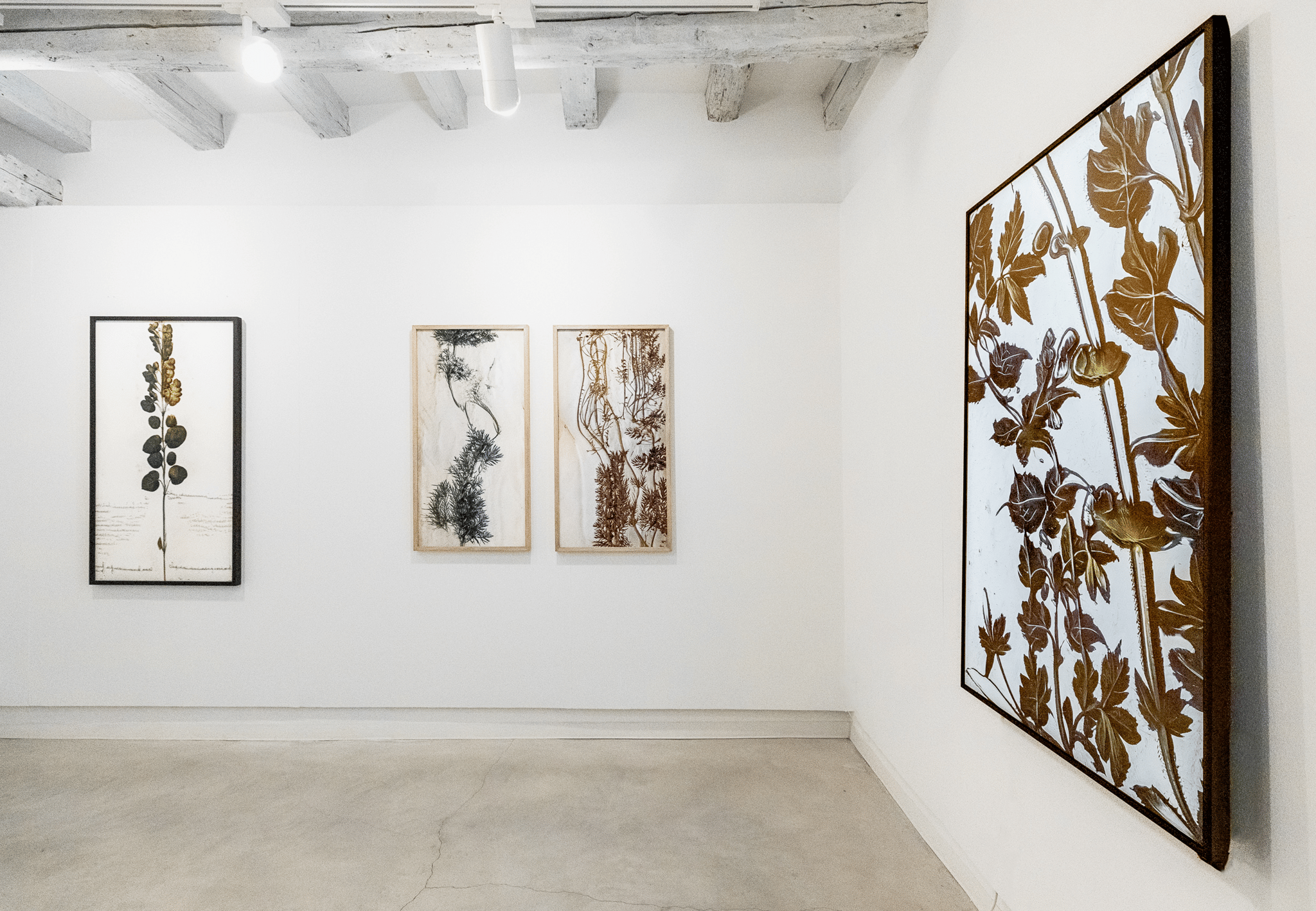
Marignana Arte, 2023
CUBO Unipol, 2022
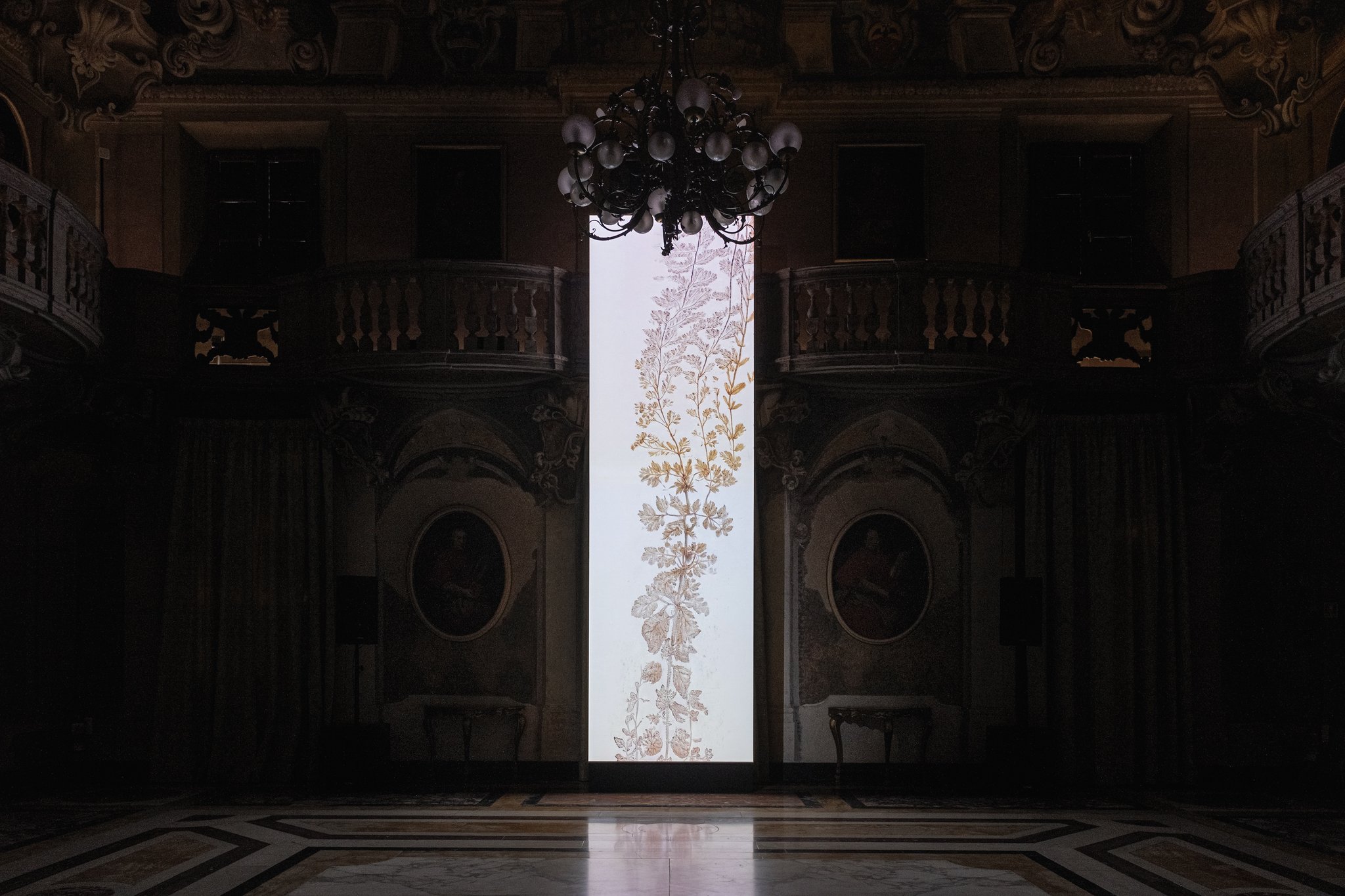
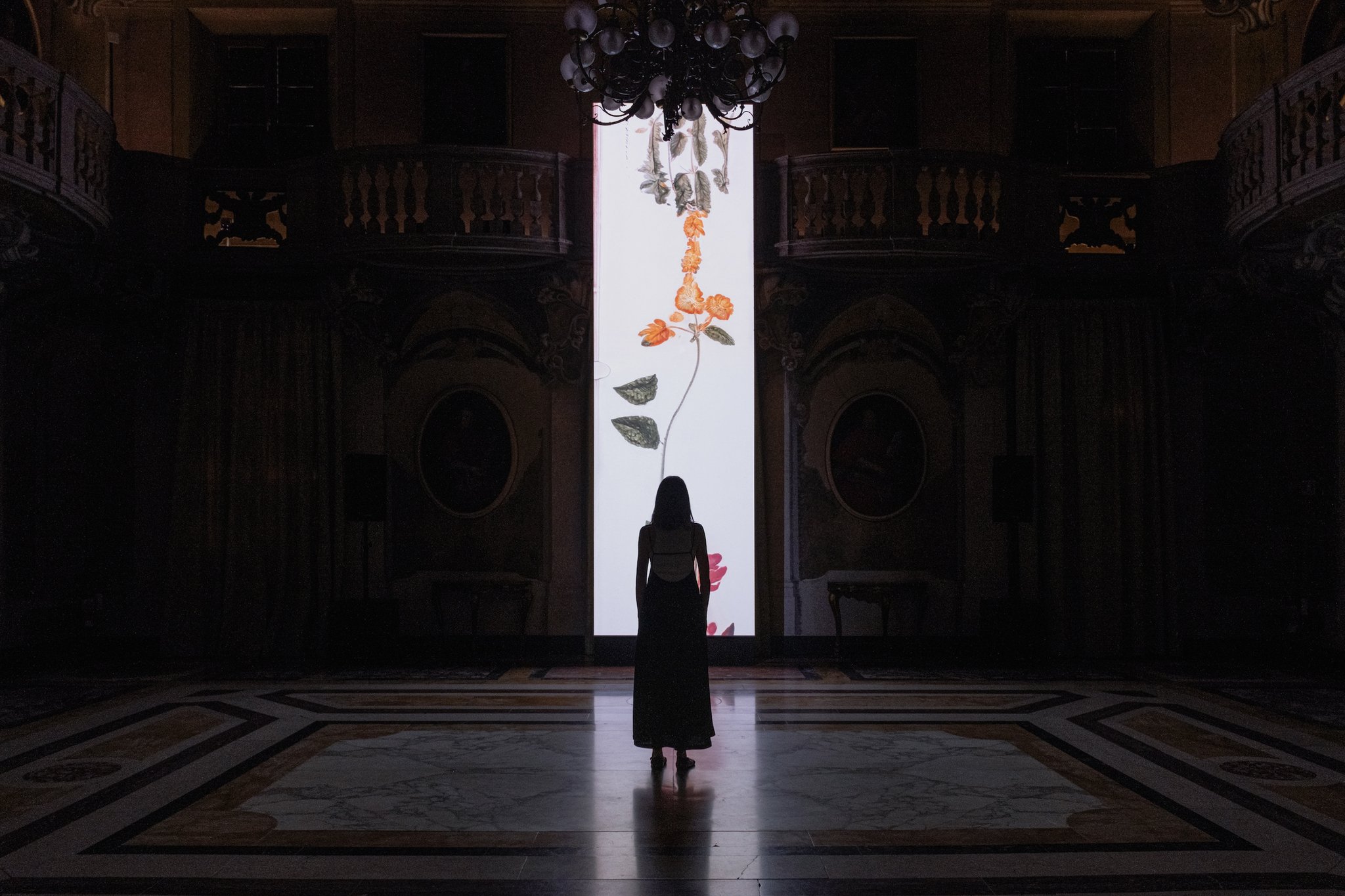
One of the latest iterations of Artificial Botany is the synthetic reinterpretation of the collection of plants and floral illustrations of the Botanical Garden of Padua, the oldest university botanical garden in the world. The resulting work is Artificial Botany .erbario assoluto, a three-channel video installation acquired by the Garden and permanently exhibited in its newly-opened spaces: a unique crystallisation of the museum collection that puts in contact historical scientific discovery with technological innovation.
Play
Pause
Mute
Mute
Mute
Unmute
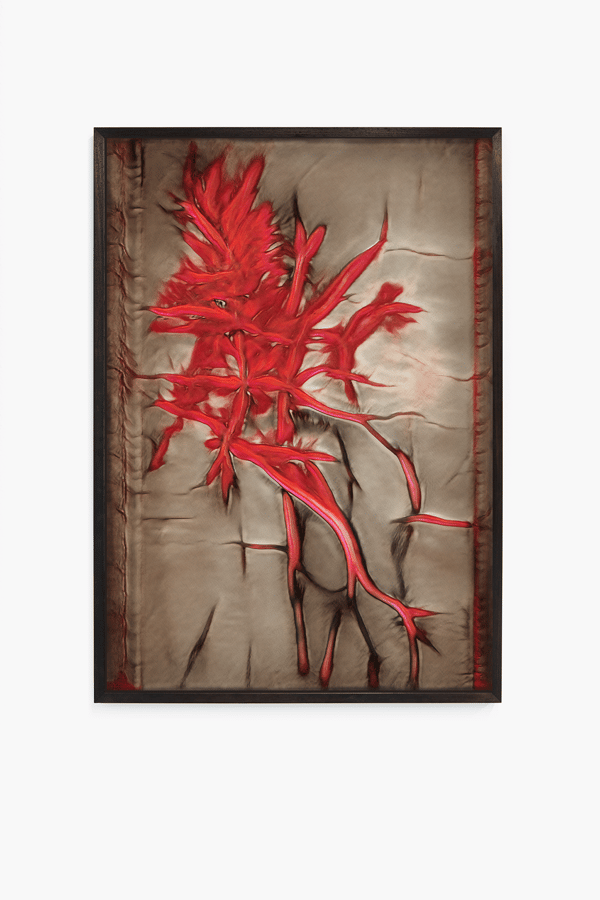
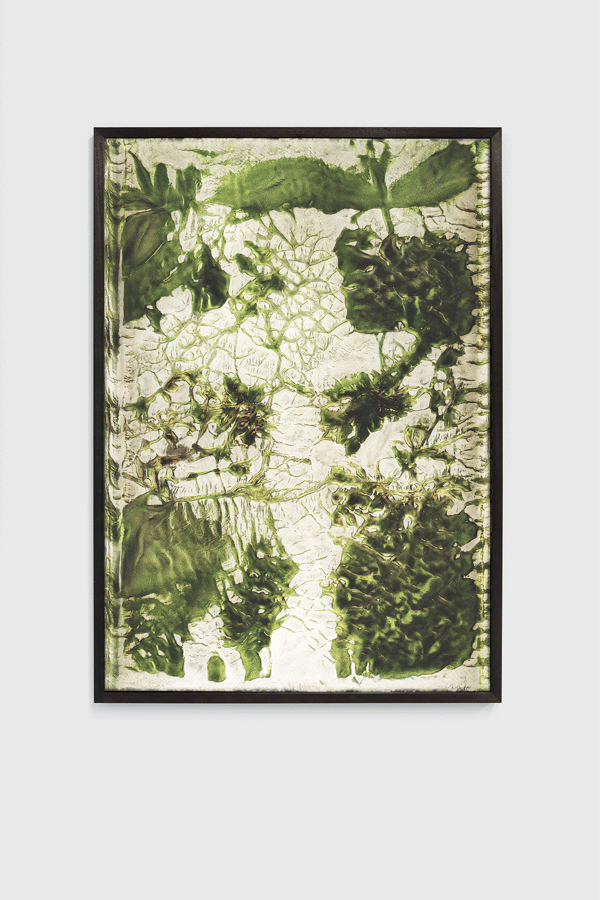
As mentioned, every Artificial Botany generation is inextricably connected to the starting dataset. In this case, we worked with the digitalisation of a huge dataset of illustrations from the library of Giovanni Marsili (1727-1795), prefect of the Botanical Garden of Padua who significantly contributed to the garden by giving life to an extensive book collection, which grew to include over 2,500 pieces from across Europe. The collection also includes peculiar pieces, first and foremost those created with the 'smoke printing' technique - exposing a dried plant to smoke and subsequently impressing its shape on a sheet.
Artificial Botany dialogues with the beauty implicit in the state of continuous transformation of living species, seeking to capture the generative richness of evolution just like it has been done in the past centuries through herbariums by botanists and scientists. Artificial Botany .erbario assoluto wants to imagine new relationships and assonances between the different species preserved in the Garden and their representations.
Fondazione San Carlo, 2023
Dongdaemun Design Plaza, 2023
Fondazione San Carlo, 2023
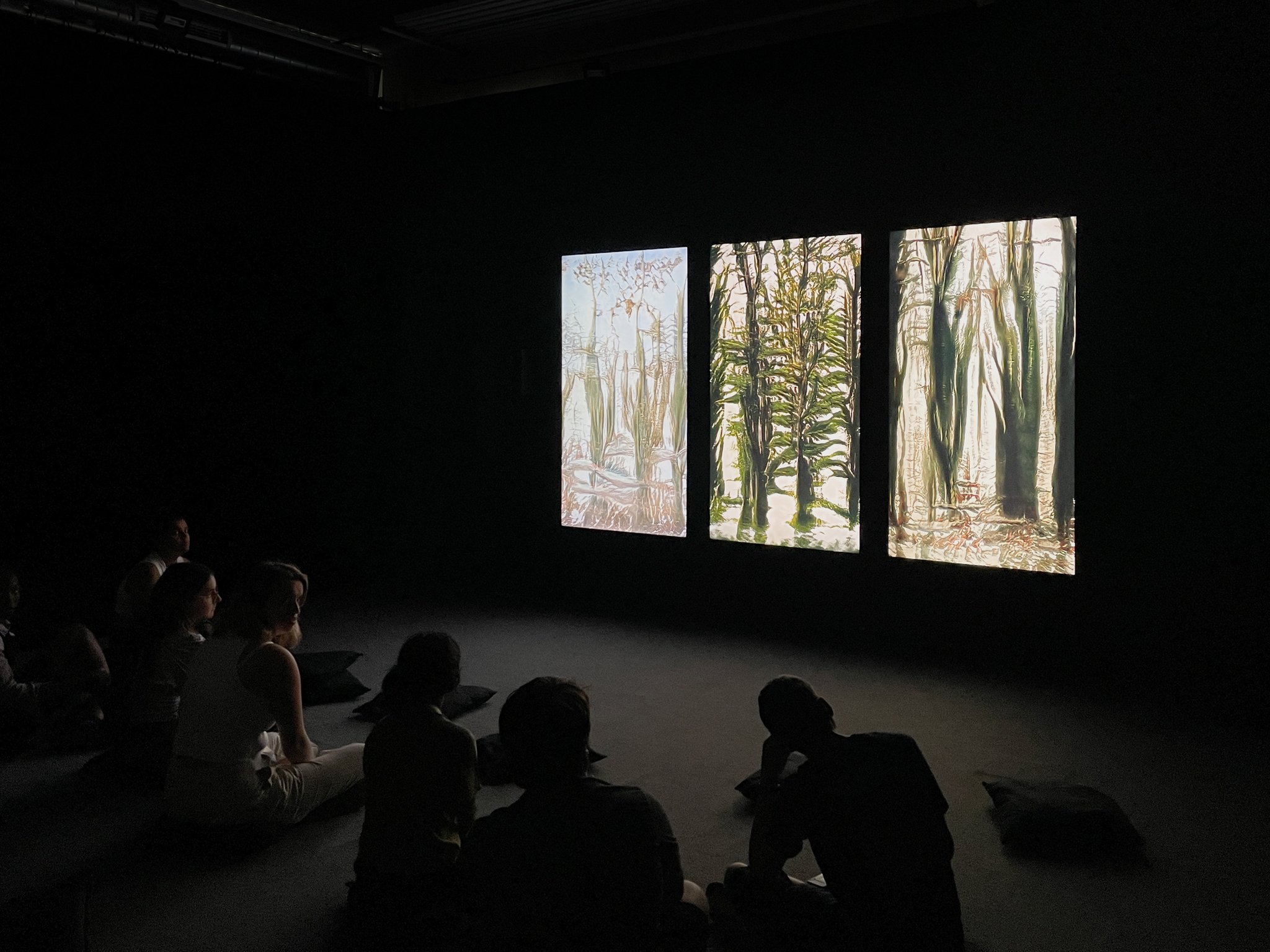
Scopitone Festival, 2023
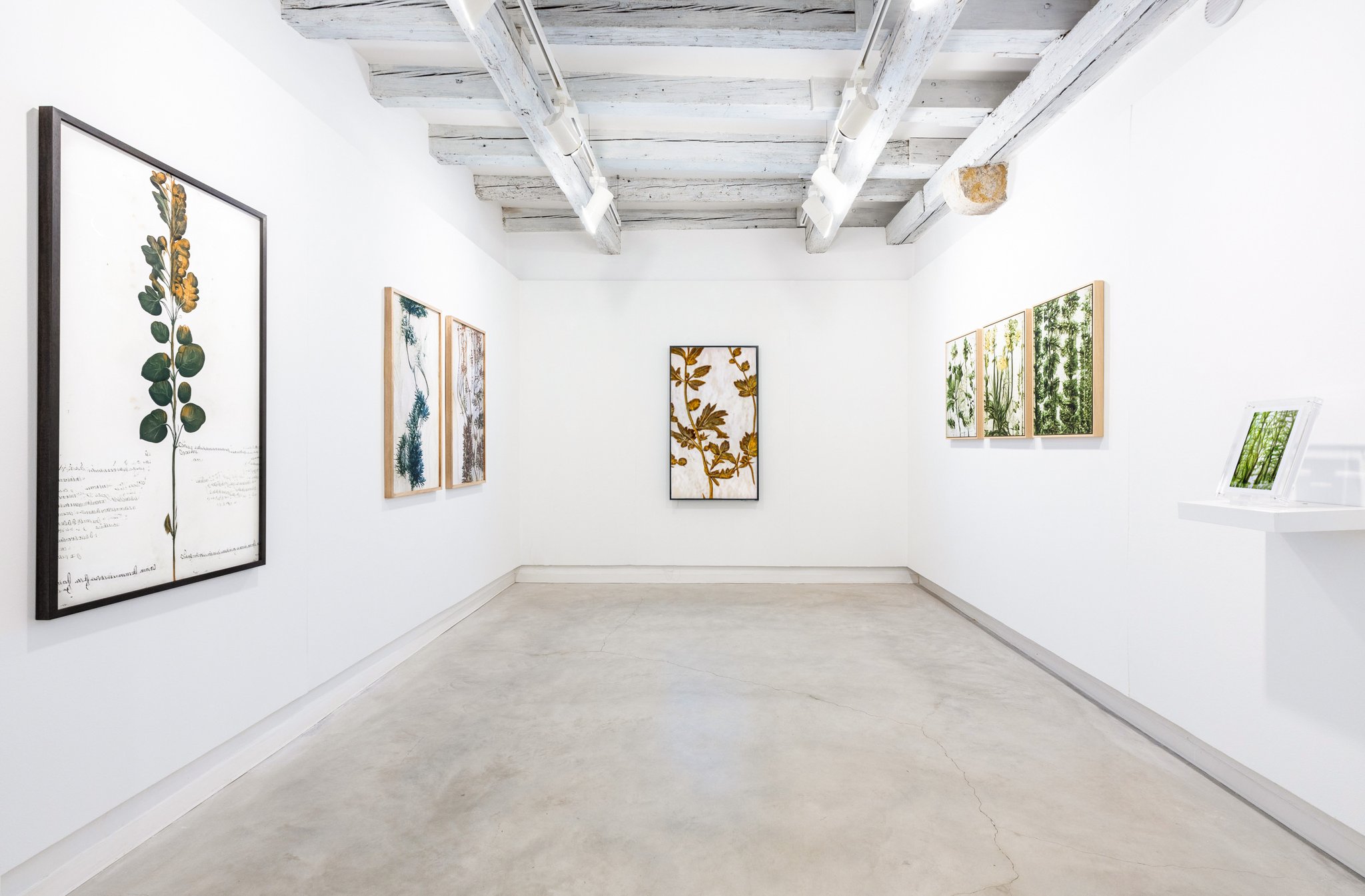
Marignana Arte, 2023