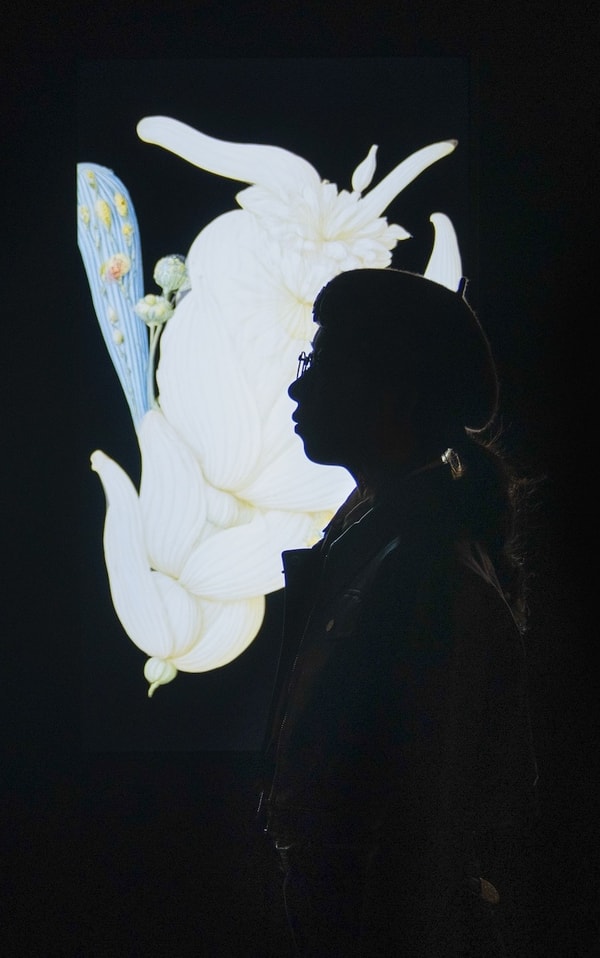
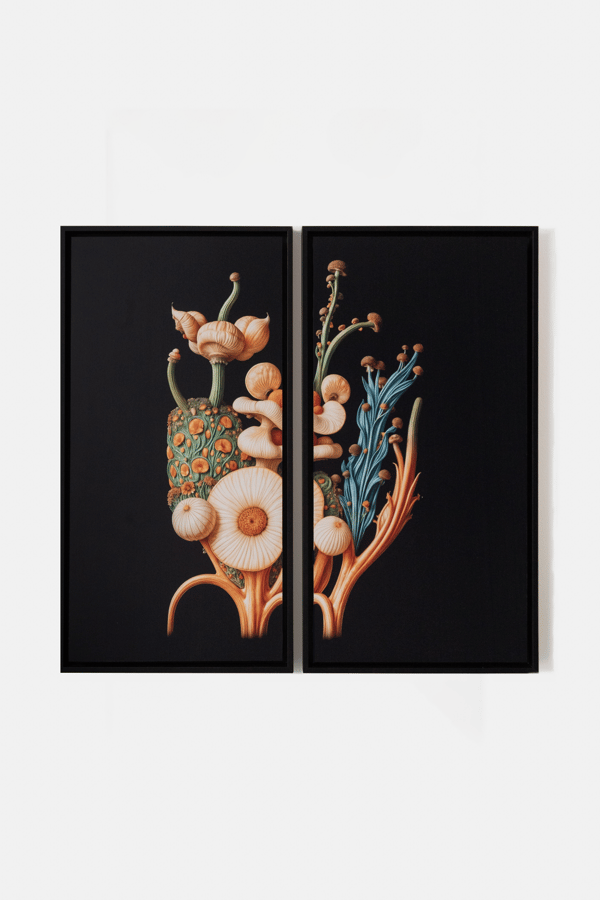
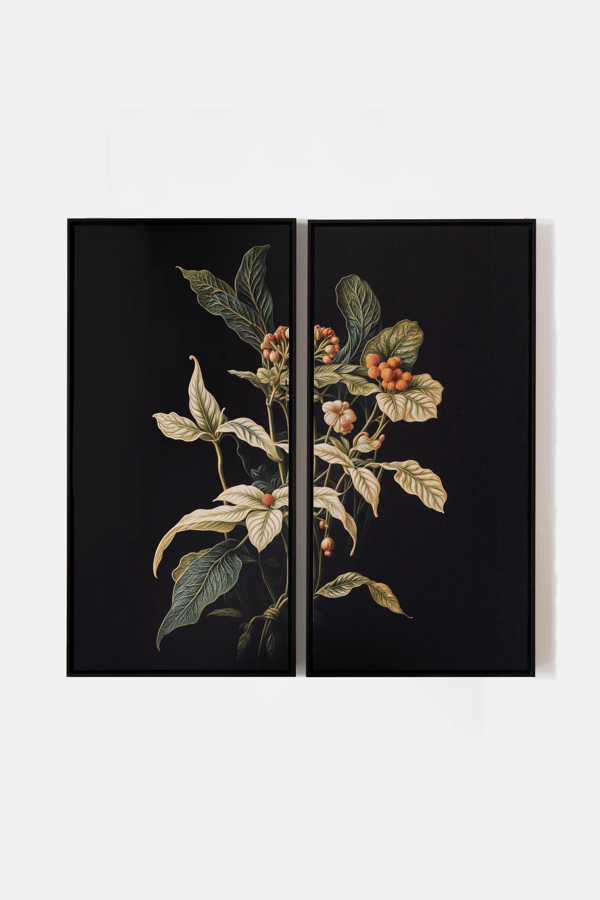
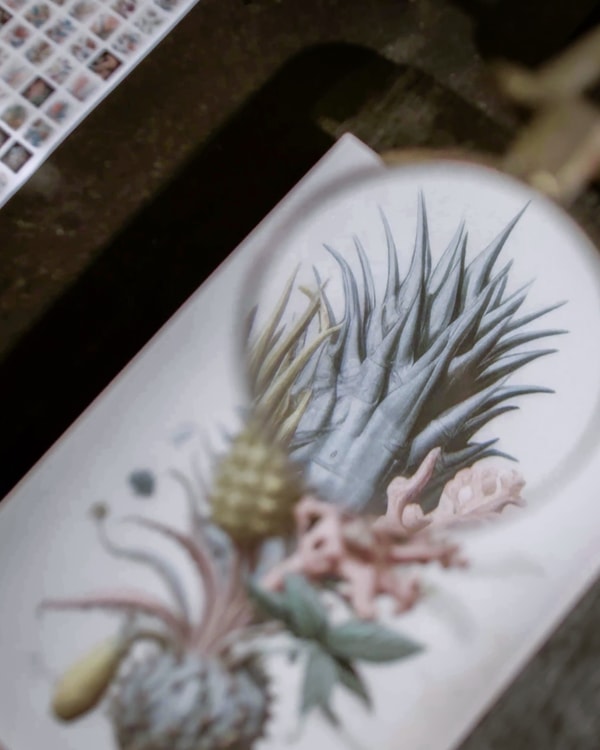
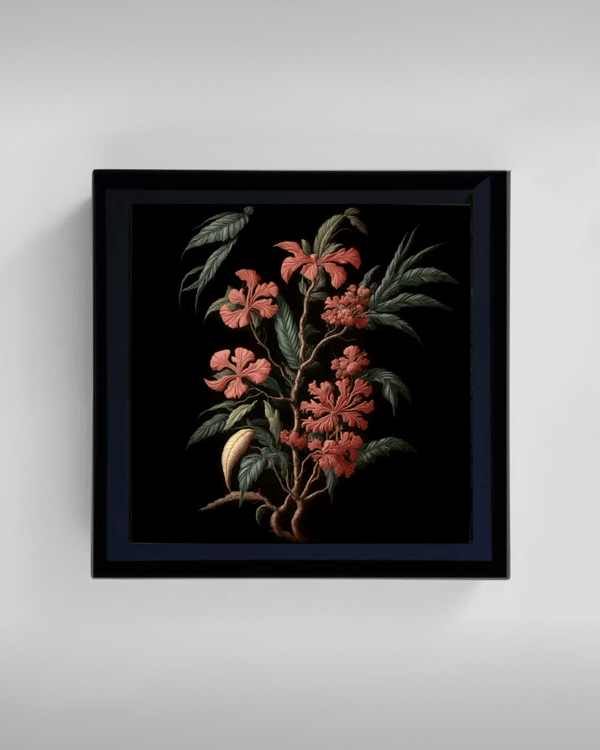
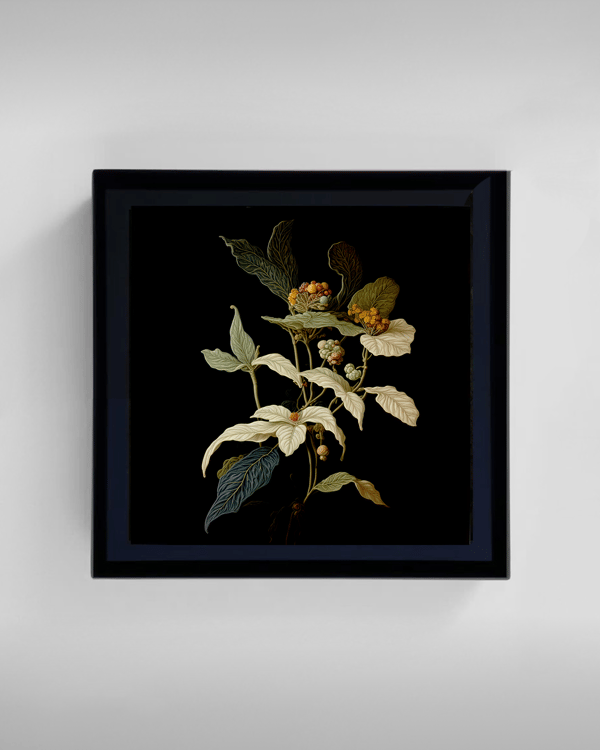
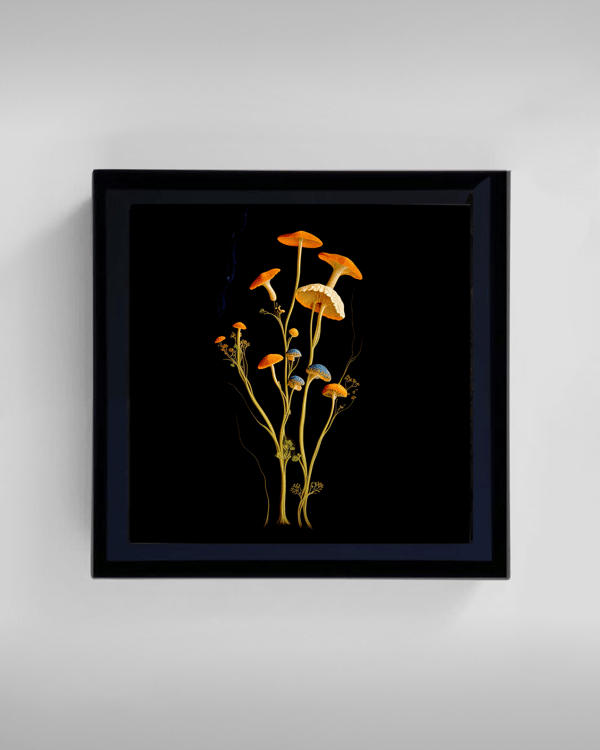
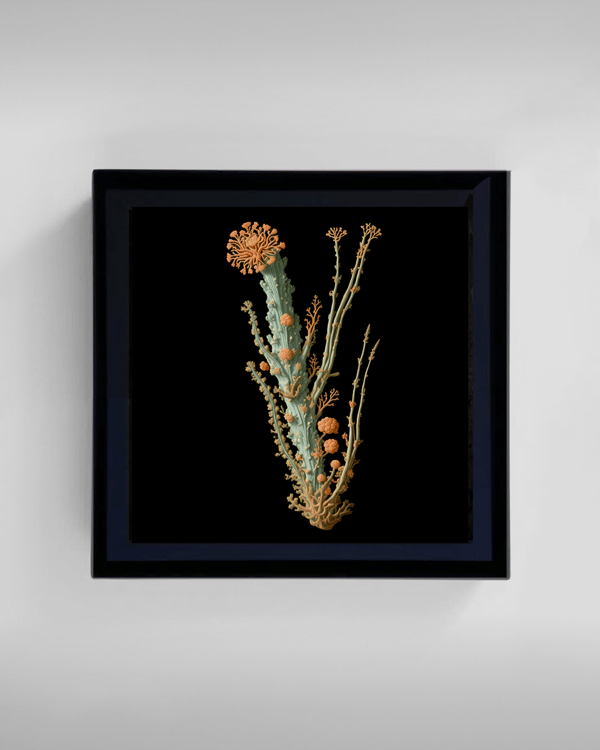
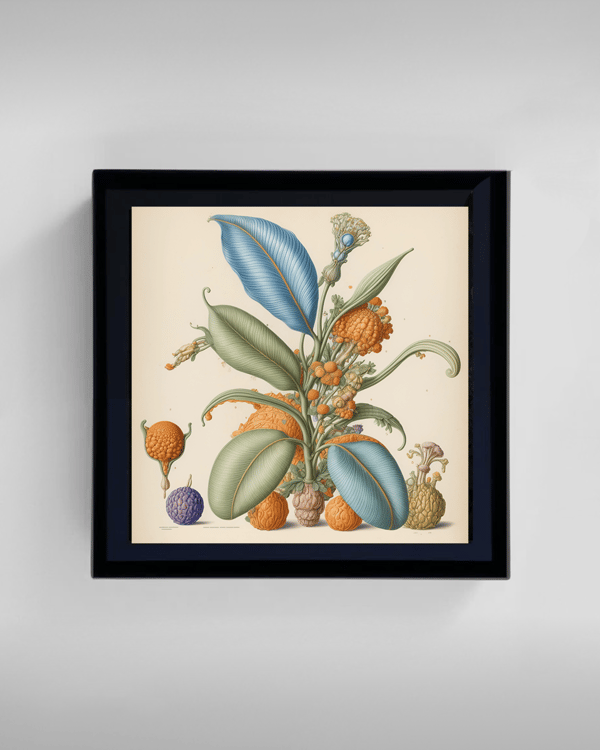
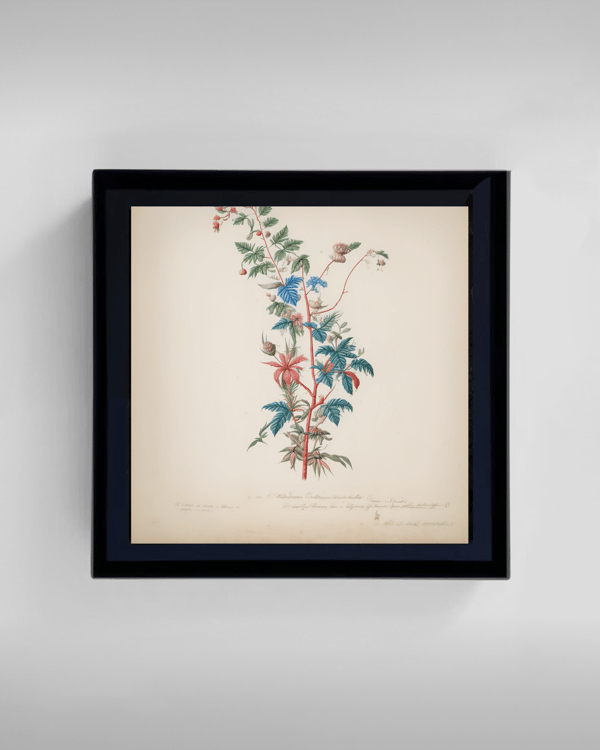
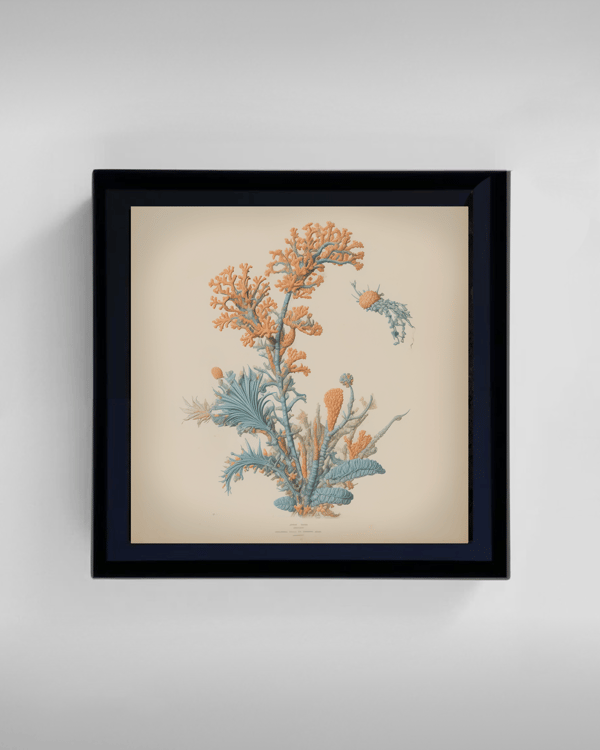
Unseen Flora is a series of works that offer a novel perspective on the world of fantastical botanical illustrations. Through surreal representation of the natural kingdom, the work focuses on the visionary practice of four fictional British scientists and artists: Charlotte Bancroft, Beatrice Hastings, Edmund Thorne and Theodore Winslow.
The series, with a strong conceptual focus, has as its core the exploration of the idea of post-truth, contextualised in the contemporary digital age where the boundaries between real and virtual, natural and artificial, seem to become more and more blurred. Especially after the sudden influx of innovative technologies led by AI language models and image generation systems, the notion of truth has become even more arbitrary, always hidden behind a thin veil of plausibility and verisimilitude.
Unseen Flora stands at the interplay between these areas: the collection explores these concepts through four characters whose stories, while fictional, appear entirely believable to fresh, naive eyes. With deep influences from other research strands, such as Surreal Botany, and pioneering illustrators such as Ernst Haeckel and Luigi Serafini, the series of works offers us an unprecedented glimpse into imaginary botanical dimensions.
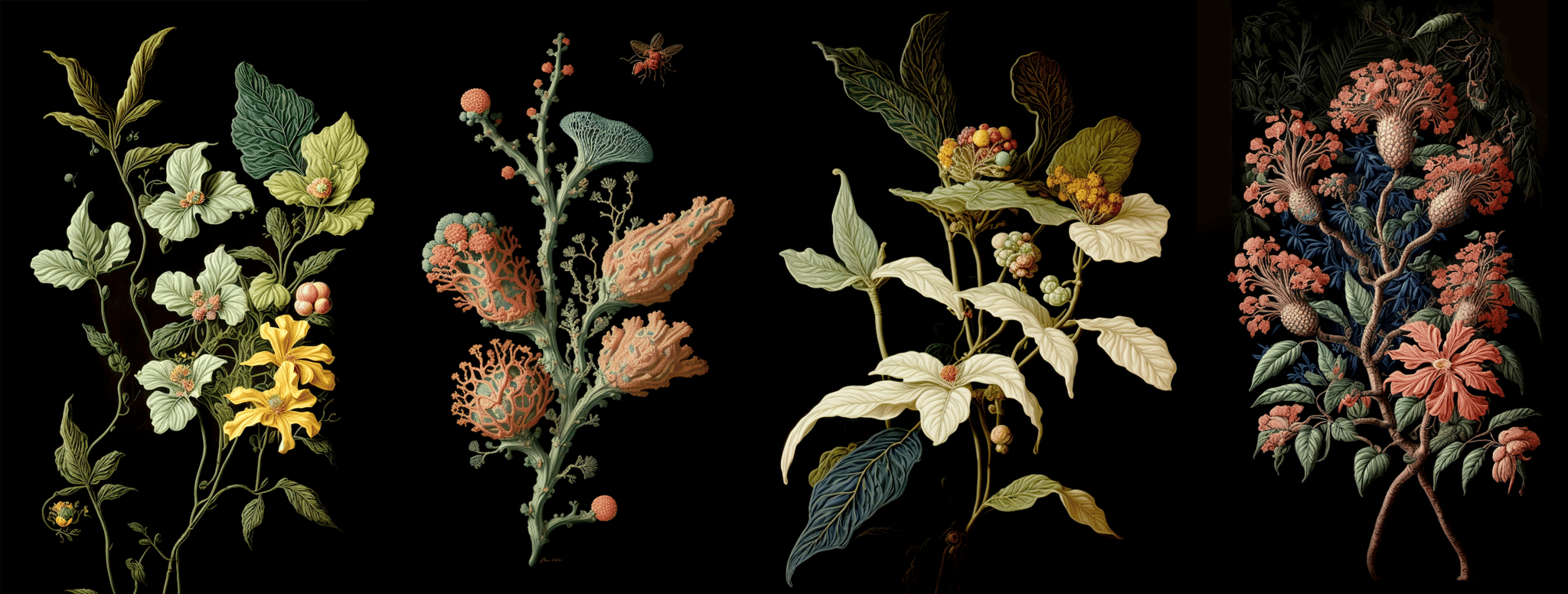
Unseen Flora was first born in 2023 as a generative digital collection for Bright Moments Artist in Residence programme. For the occasion, it was initially planned to work with Artificial Botany. However, for technical complexities and conceptual purposes, we designed an alternative version of the work which later became so distant from the initial concept that we decided to completely divide the two series, despite the common focus on botany. With Unseen Flora, in fact, the series took an unprecedented turn: developing through the stories, lives and creations of the four fictional botanists, it seeks to propose a reflection on the concept of truth and post-truth concerning the world of new technologies and, in particular, to AI language and image generators.
In this specific context, the perception of truth is shifting, seemingly aligning more closely with the notion of plausibility than concrete reality. For instance, post-truth indicates a deeply-rooted tendency to validate an assertion based on the public’s emotions and feelings, without any concrete analysis of the actual truthfulness of the facts being told. This tendency also taps into the concept of confirmation bias—the inclination to favour, believe, and recall information that reinforces one’s existing beliefs or values—which, if amplified on a global scale, may significantly influence and shape public opinion.
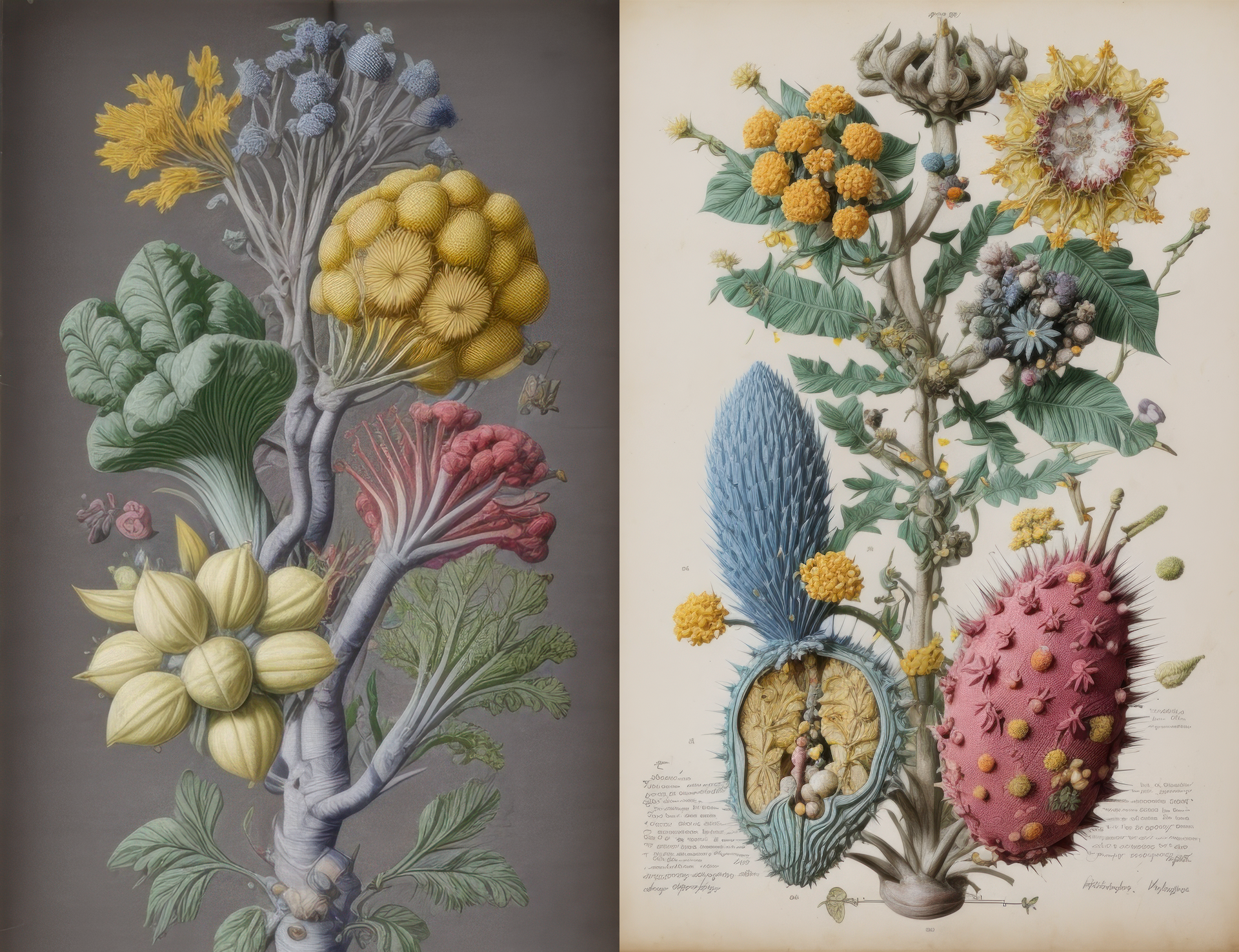
These concepts become even more relevant in the age of AI, now that models such as Chat GPT are regularly accessible: these systems leverage a precise human perception of the world that results from the initial, human-made training set. AI systems continuously generate plausible answers, post-truth realities that tap into what is commonly believed to be logical and credible, but not necessarily true. It is at this new intersection between these ever-evolving concepts of post-truth, plausibility and falsehood that we set the stage for Unseen Flora: a series that is founded on familiar but somehow uncanny botany illustrations, on plausible but fictional histories and personalities.
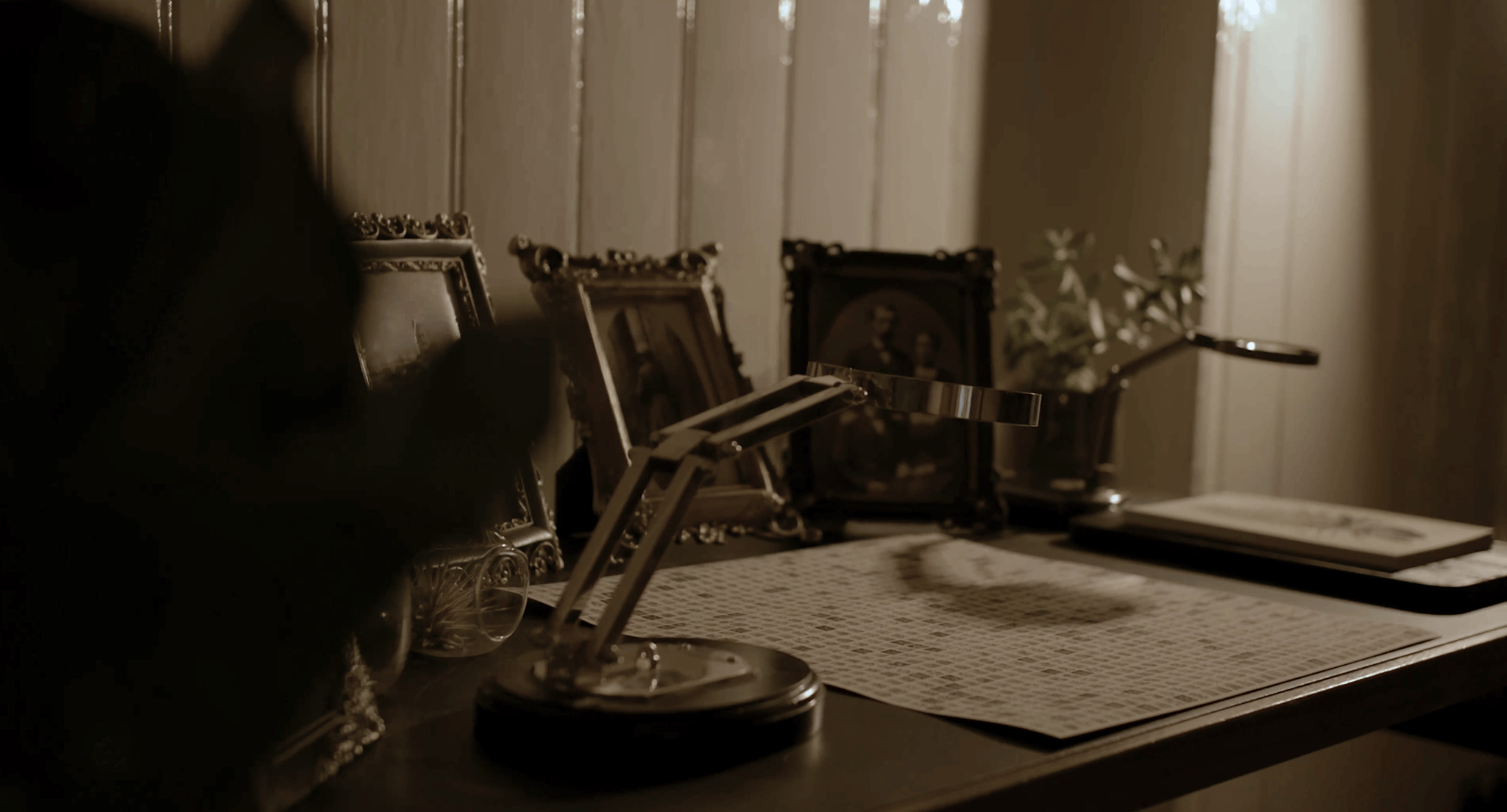
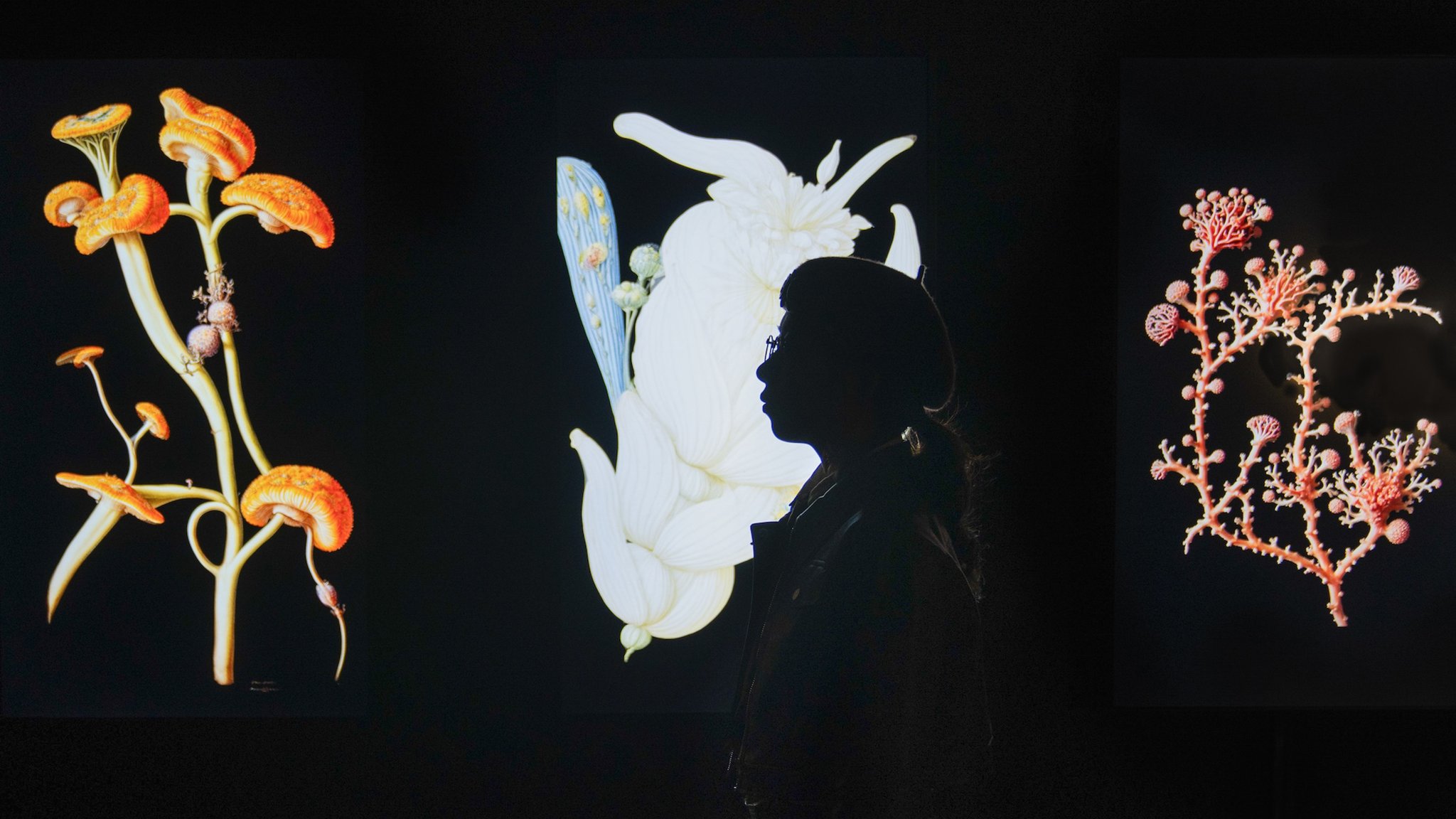
In its inaugural presentation, the exhibition featured video pieces from the series alongside a thoughtfully curated collection of vintage objects and artefacts, each speculatively narrating the stories of the four botanists whose research was the starting point for our own works. A key aspect of the exhibition—and the series as a whole—was the deliberate absence of any explicit indication that these characters were fictional. On the contrary, the whole experience aimed to explore those blurred boundaries between truth and inaccuracy, in an attempt to highlight the dynamics that shape our information perception.
As mentioned, Unseen Flora involves a shift in Artificial Botany creative process: the past iterations of the work have always taken as a starting point authentic botanical illustrations, which were then reimagined through the lens of Generative Adversarial Networks (GANs). The central focus has always been exploring the transformative journey from natural forms to artificial ones, mirroring the organic morphing of real seedlings. Our tasks have always been confined to taking something already created, with a life of its own, and reinterpreting it through unprecedented techniques and looks. With Unseen Flora, however, we move backwards: instead of focusing on the outcomes of human-driven research, we delve into the lives of the botanists themselves, exploring their hypothetical perspectives on the natural world. An approach that allows us to generate unparalleled outputs, that could serve as potential starting points for further research and interpretations.
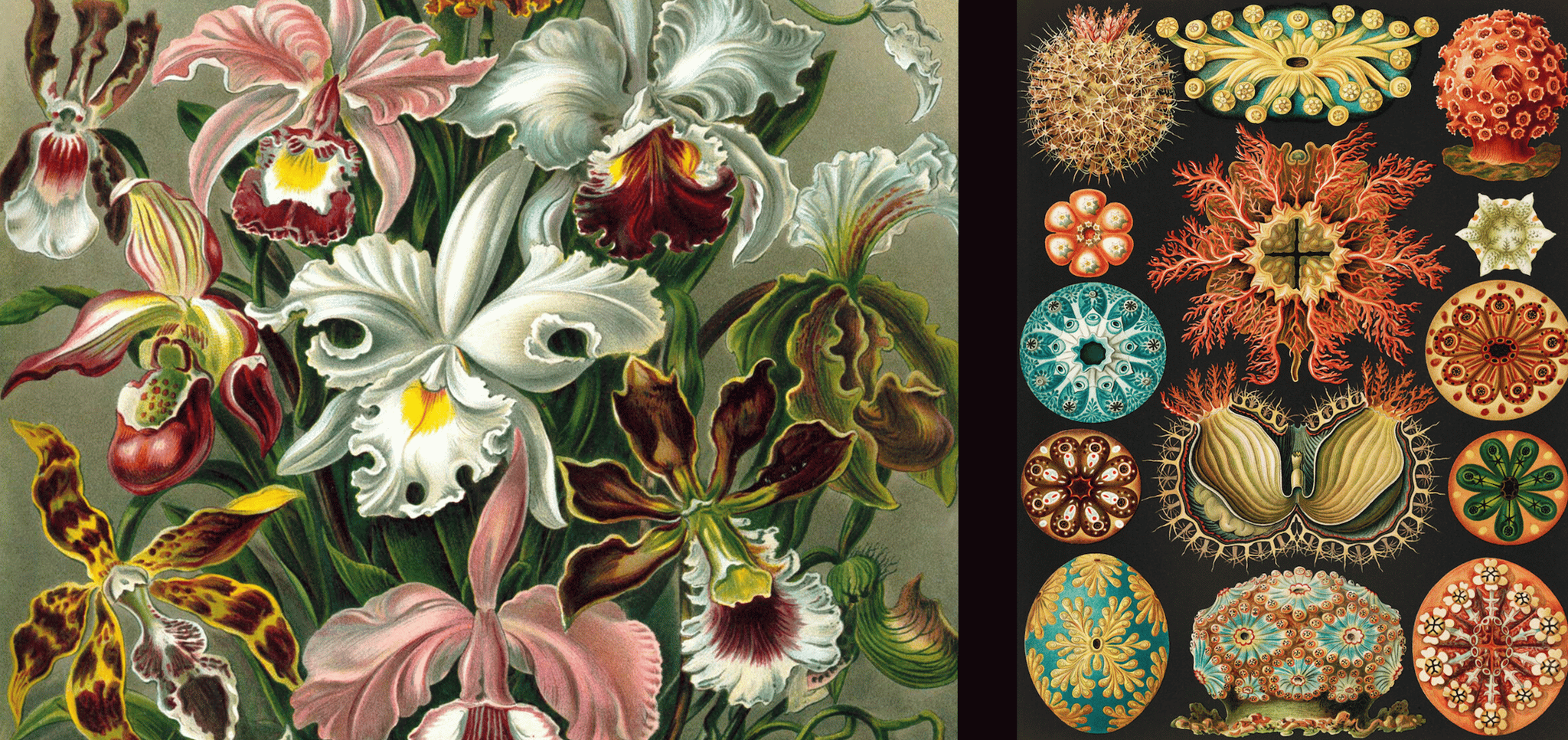
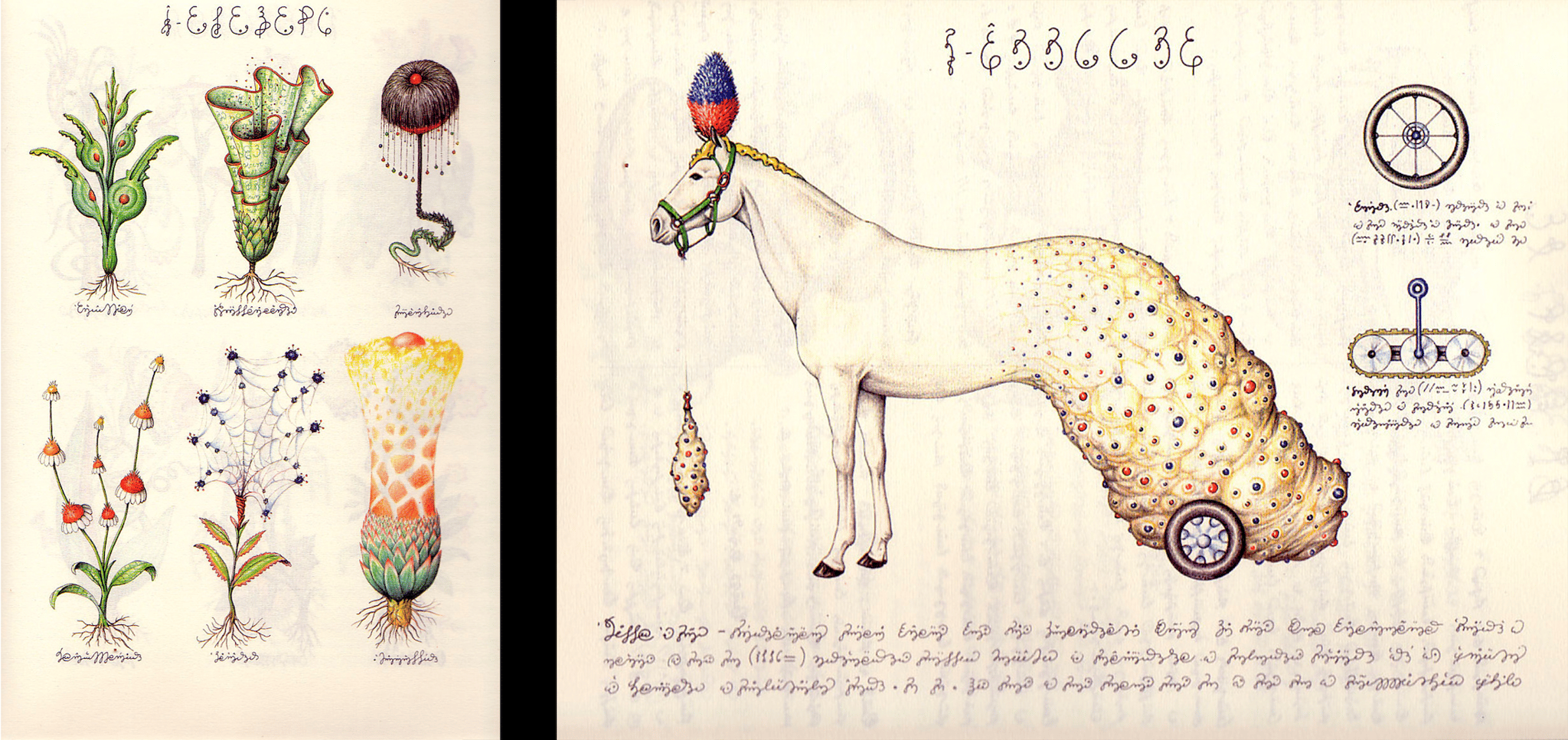
An essential element that shaped the visual research for the project was the exploration of works of illustrators and botanists who create unreal, imaginary worlds. Among those who inspired us most are the renowned Ernst Haeckel and Luigi Serafini's Codex Seraphinianus. Haeckel (1834–1919) was a German biologist, naturalist, and artist best known for his intricate, artistic representations of marine life and other organisms. The Codex Seraphinianus, in contrast, is a whimsical book that has garnered increasing attention since its publication in 1981. It features a broad array of subjects, from biology and architecture to art and technology, all presented eccentrically and unconventionally, captivating readers with a unique view of the world.
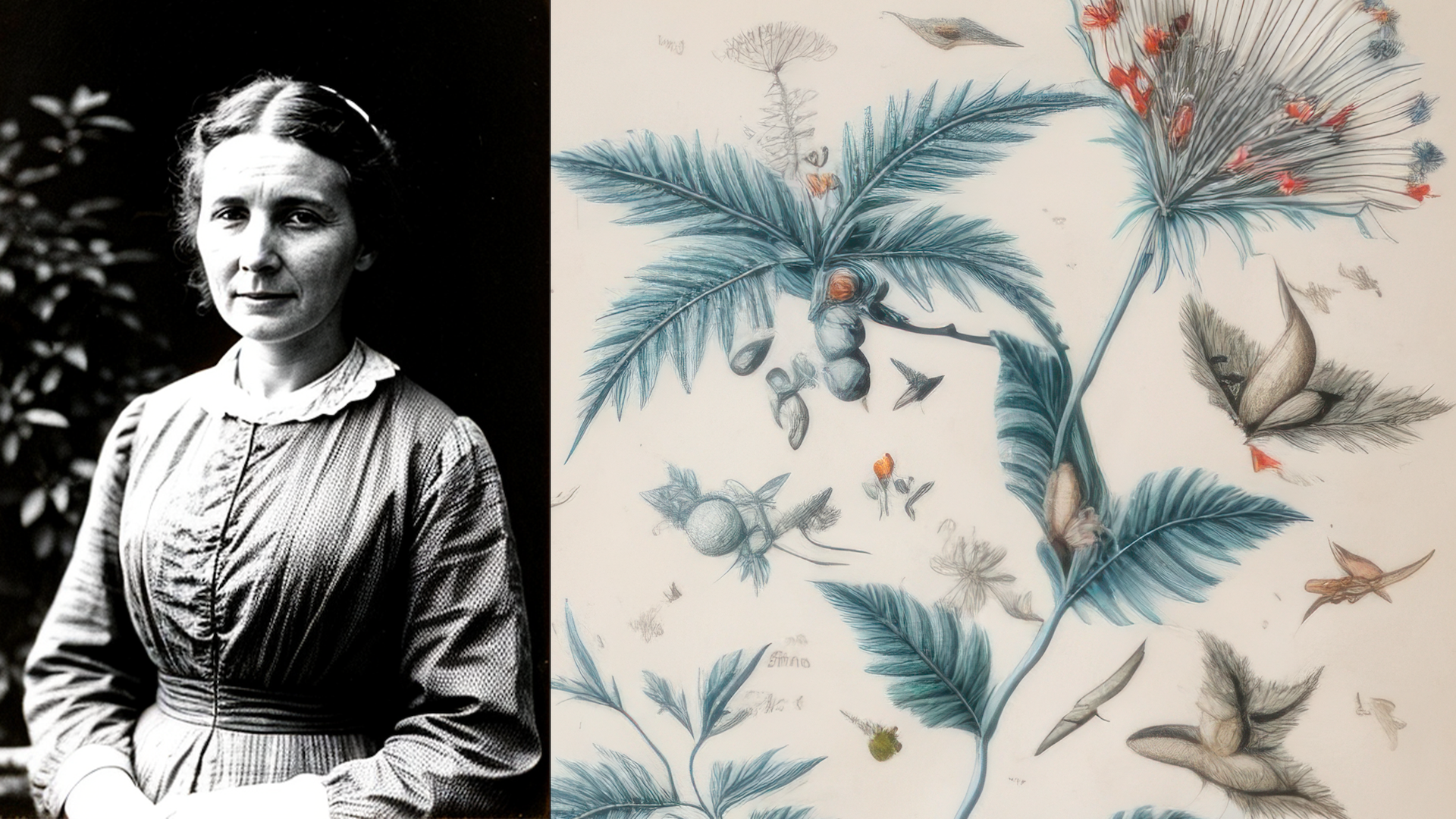
Charlotte Bancroft was a pioneering English botanical illustrator and explorer in the late 19th century. Bancroft challenged Victorian era norms by venturing into a male-dominated field during a time when female participation in scientific pursuits was uncommon.
Early Life and Education
Bancroft was born in 1817, in Hertfordshire, England, into an upper-middle-class family. Her keen interest in natural sciences was fostered by her father, a botanist and educator. Bancroft attended a local boarding school where she honed her skills in drawing and painting, laying the groundwork for her future career.
Scientific Contributions and Discovery
Bancroft is most celebrated for her adventurous expedition in 1862, which led her to a remote and largely uncharted archipelago in the Pacific, rich in flora biodiversity. The islands’ isolated nature had preserved their ecological integrity, attracting Bancroft's scientific interest.
She dedicated several years living within this unprecedented environment, capturing its variety and vibrancy in hundreds of meticulous drawings. These illustrations, in addition to being remarkable botanical records, exhibit a unique appreciation for the interconnectedness of the local flora and fauna, a viewpoint ahead of her time.
Philosophy and Work
Bancroft's artistic philosophy stressed a non-anthropocentric perspective. In this respect, she considered herself a part of the ecological tapestry, profoundly intertwined with the surrounding environment. Consequently, the fear that her botanical discovery could be exploited and desecrated by capitalist greed and colonial exploitation led to a controversial decision. Bancroft decided to withhold the knowledge of the unique flora, and her illustrations thereof, from the scientific community.
The location of the sanctuary she so loved remained concealed, with Bancroft herself the silent sentinel of the ecosystem she had discovered.
Legacy
Bancroft’s choice to withhold her work brought intrigue and esoteric magnetism to her legacy. There endures a sense of undying fascination in botanical and historical circles regarding the exact whereabouts of Bancroft's "ecological paradise."
Charlotte Bancroft passed away in 1896, leaving behind an enduring legacy as an audacious and conscientious contributor to the field of botanical research during the 19th century. While her stunning sketches remain until recent shielded from public view, her reverence for the natural world and commitment to preservation continue to inspire current generations of ecological conservationists.
Bibliography
1. Frobisher, T. (1910) 'One with Nature: Bancroft’s Fragmented Legacy'. Oak Road Books.
2. Hodgson, G. (1998). ‘The secret archipelago: The life and works of Charlotte Bancroft.’ Alnwick Press.
3. McAlpine, M.C. (2002). ‘Uncharted terrains: Explorations and illustrations of C. Bancroft.’ Biographic Press.
4. Colton, B. (2009). ‘Silent Sentinel: The Hidden Legacy of Charlotte Bancroft.’ Arborea Books.
5. Sykes, E. (2017). ‘Women in Science: The Unseen Heroines.’ pp. 65-76. Ivy Lane Publishers.
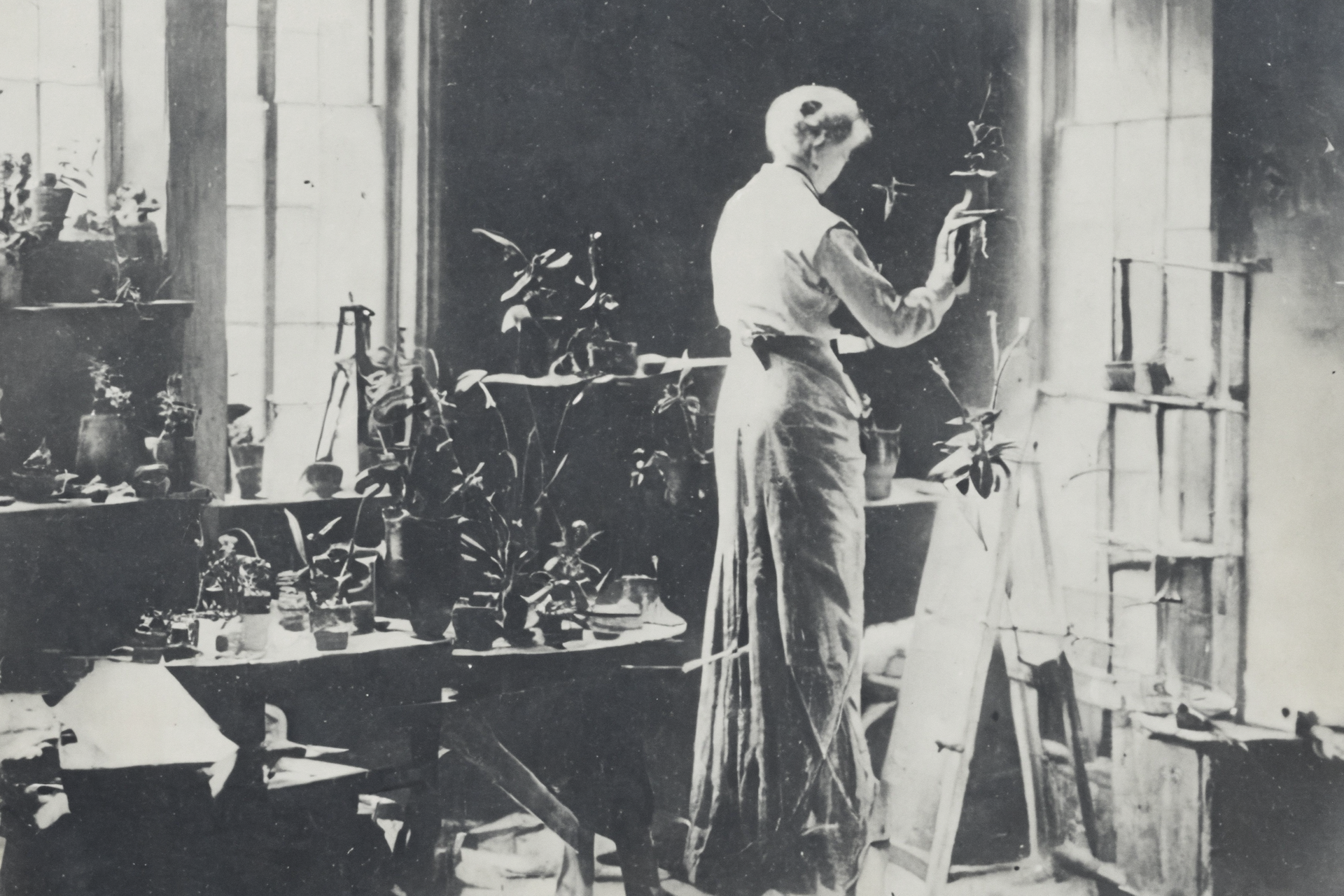
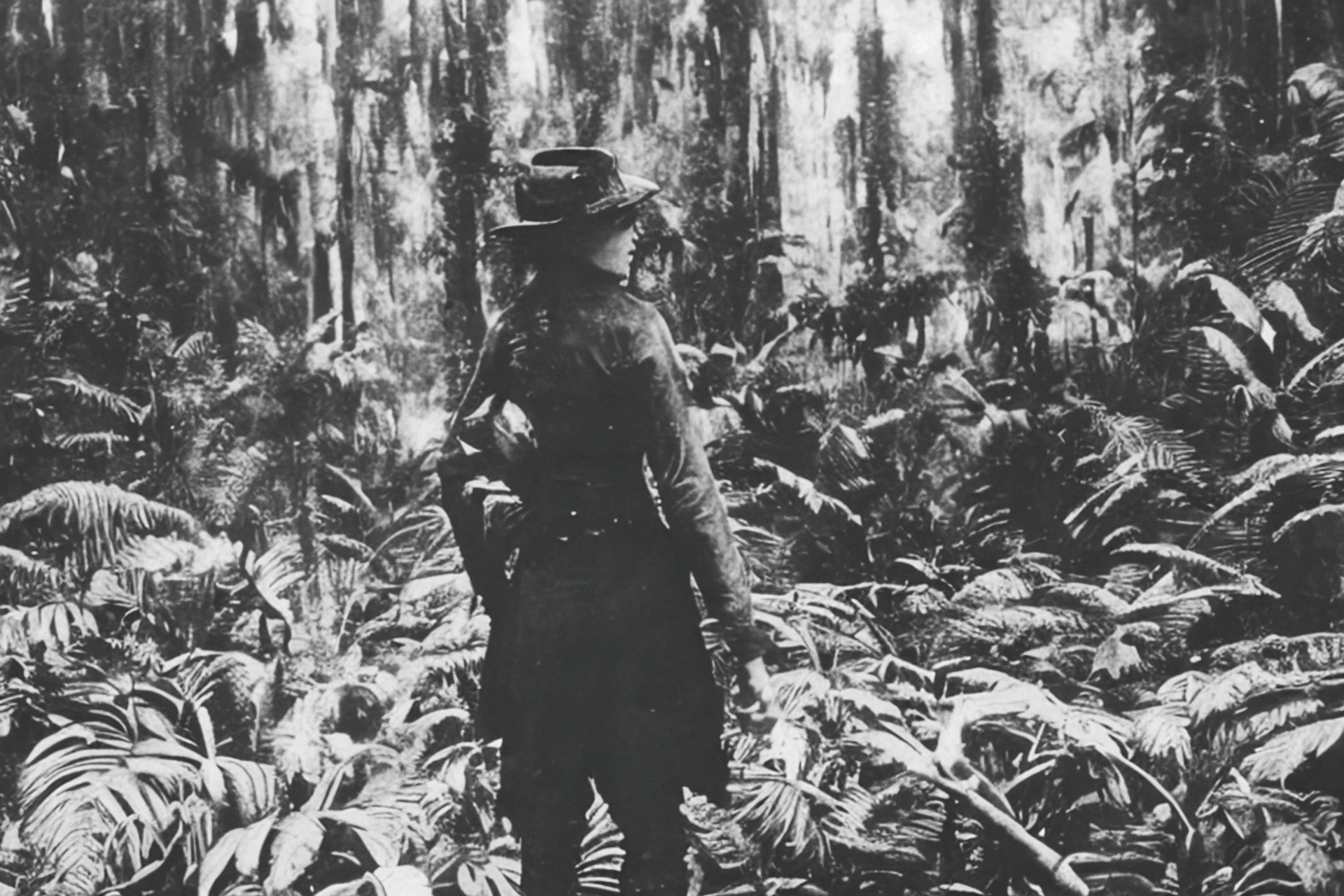
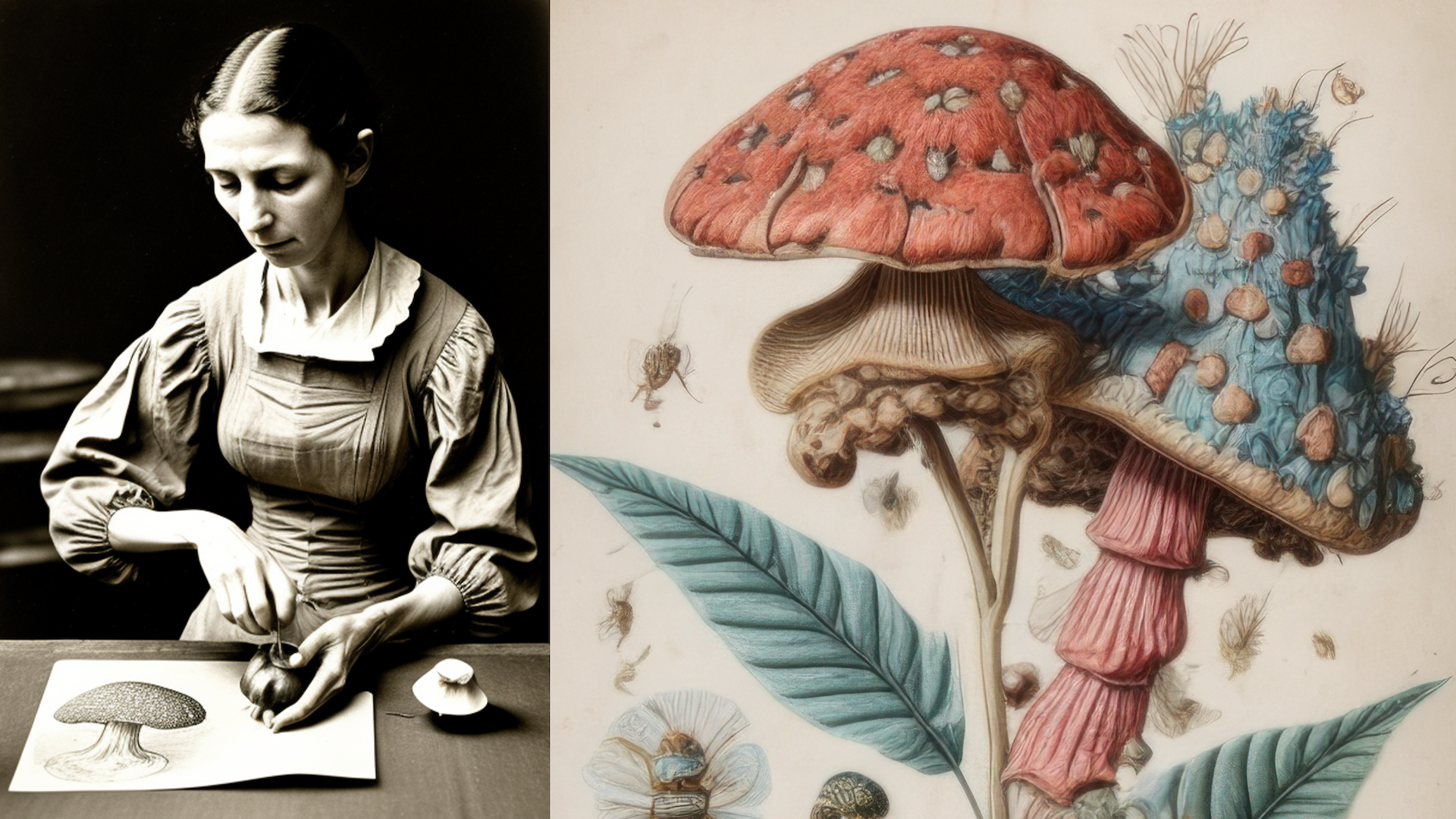
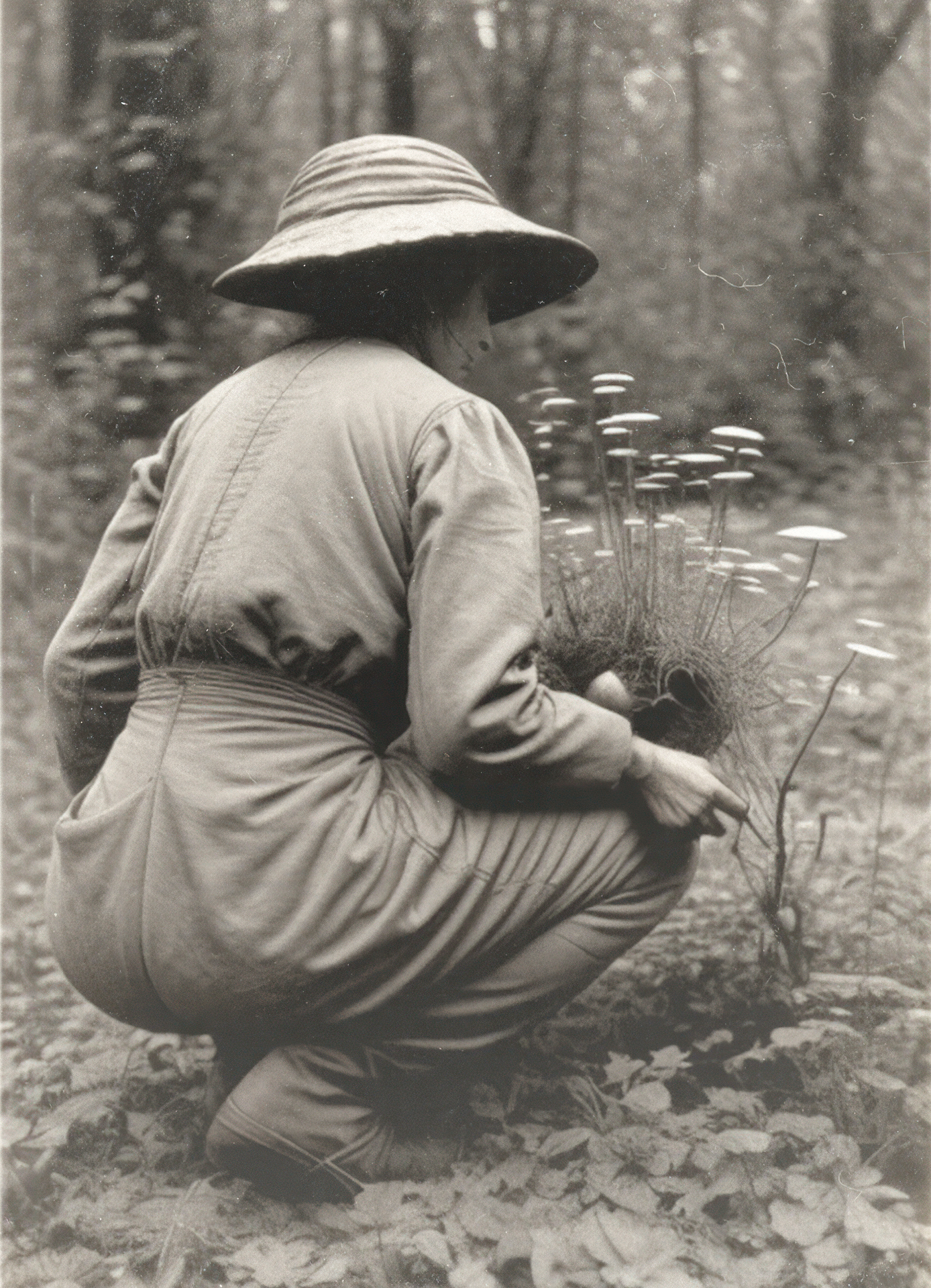
Beatrice Hastings was an eminent British botanical illustrator and researcher, primarily renowned for her extensive studies and portrayals of fungi. Despite the societal norms of the Victorian era, she broke free from her marital bond to delve into the intriguing world of botany, challenging the pervasive sexism within the scientific community of the time.
Early Life and Career
Born in 1838 in Windsor, England, Hastings demonstrated a keen interest in art and the natural world from an early age. She married a nominal botany professional whose standing within the scientific community was mediocre at best. Recognized for her innate talent, Hastings' illustrations were highly appreciated for their precision in capturing the complex details of plant life.
Contributions to Mycology
Hastings made significant contributions to mycology by discovering and documenting a series of unidentified groups of fungi species. Each species was meticulously illustrated, offering an unprecedented understanding of the fungal kingdom. Undeterred by the prevailing norms of her time, she divorced her spouse to independently study botany and formed a relationship with a fellow botanist who admired her dedication and work. On their journey throughout Europe and North America, they discovered a previously undocumented bioluminescent species that once glowed in the darkest forests. Regrettably, this unique fungi, that Hastings named Luminifera Sylvatica, is now extinct due to predation, but her discovery remains a valuable contribution to science.
Contested Claims and Legacy
Upon Hastings' return to Britain in the 1870s, her estranged husband envisaged an opportunity to demean her work by claiming the discovery as his own. He presented her elaborate sketches and detailed notes to the botanical community, proclaiming the findings were his. However, he failed to convince his peers about the authenticity of his claims. The inconsistent explanations conflicted glaringly with the precise nature of Beatrice's illustrations, diminishing his credibility.
Hastings' work remains largely unacknowledged, unknown to botanists and mycologists to this day. Despite her husband's failed attempt to appropriate her discovery, Hastings' work stands as a testament to her commitment and skill as a botanical illustrator and researcher. The painstaking accuracy and comprehensive nature of her studies contribute to our slow, but growing, understanding of her work's significance.
References
1. Smith, J. (1992) 'Botanical Illustration: The Impact of the Pioneering Women' Oxford University Press: Oxford.
2. Johnson, M. (1995) 'Botany and Betrayal: The under-acknowledged contribution of Beatrice Hastings' First Edition Publishing: London.
3. Hughes, L. (2000) 'Icons of Mycology: Beatrice Hastings and the Luminifera Sylvatica - Her Contested Findings' Springer Verlag: Heidelberg.
4. Evans, P. (2010) 'Muted voices: The female illustrators of the Victorian Era' Bloomsbury Publishing: London.
Early Life and Interest
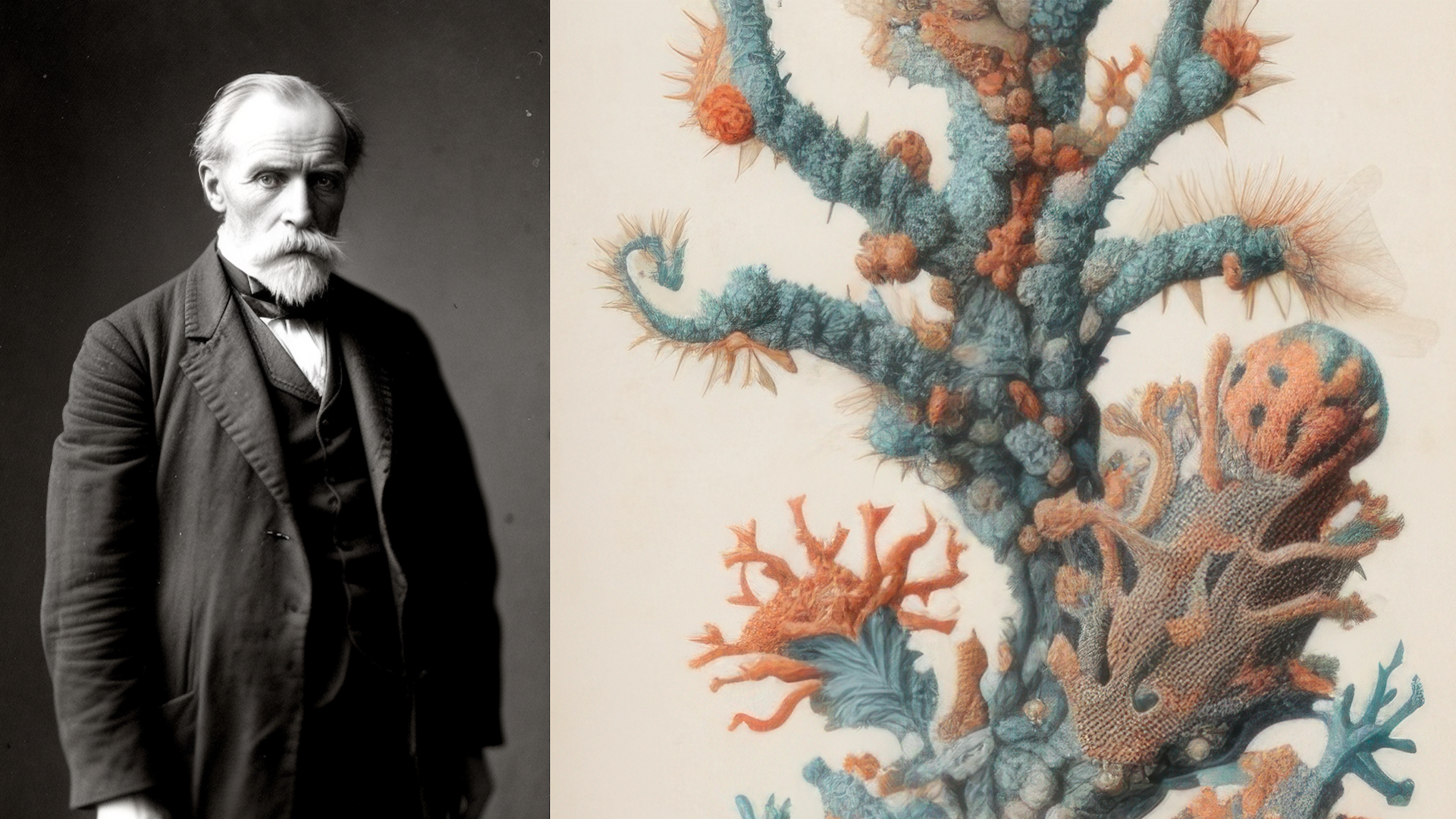
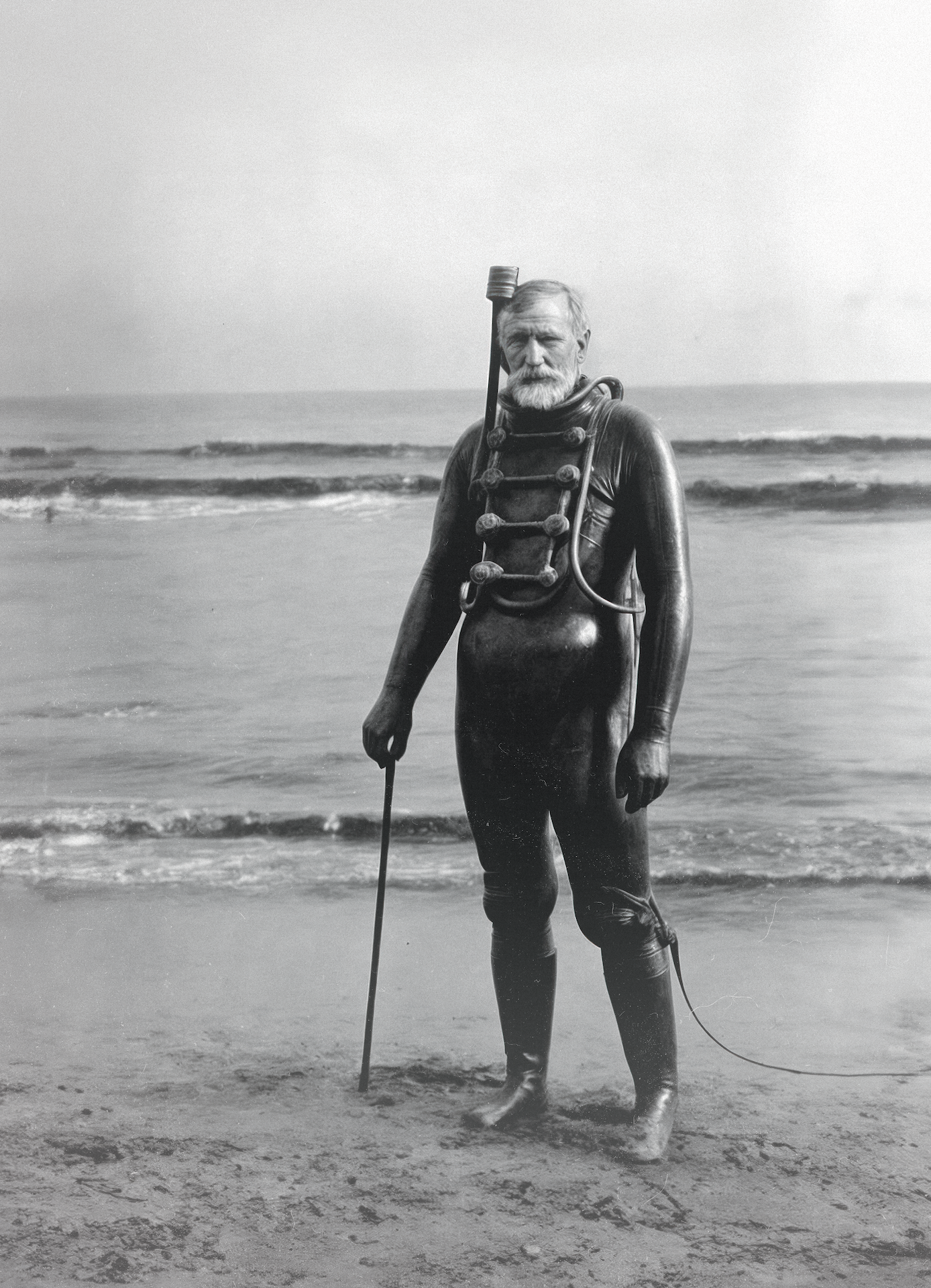
Edmund Thorne (1809-1883) was an eminent British naturalistic and botanical illustrator from the 19th century who left a significant imprint on the discipline of marine biology. Born in Devonshire, England, Thorne's fascination with marine life traced back to his formative years. Despite being largely self-taught as an illustrator, Thorne's exceptionally detailed work was lauded by both the academia and diving communities, as it greatly advanced the understanding of marine ecosystems.
Career and Notable Discoveries
Over the course of his professional trajectory, Thorne devoted his energies to refining immersion technology that facilitated the examination of marine habitats. His most consequential findings were made at the seashores of Adelaide, Australia, where he discovered and visually archived new types of coral, including a remarkable species he named Thornea Stellata in recognition of his pioneering work.
Thorne's diligent documentation gave mankind its first thorough glimpse into these unique coral species, though his findings were never officially published. The specifics of his work largely remain enigmatic, adding intrigue to his scholarly contributions.
Ethics and Discontent
A notable incident in Thorne's life involved his brother who saw lucrative potential in the coral findings that Thorne had made. Given the previously unknown nature of these species, Thorne's brother tried to persuade him to commercially exploit the reefs. However, Thorne refused to concede to this appeal, remaining steadfast in his belief in scientific principles and the importance of protecting the natural habitat.
Untimely Demise and Aftermath
An unexpected and tragic turn of events occurred during one of Thorne's underwater explorations, when his brother arranged an accident leading to Thorne's untimely demise. This opened the door for his brother to implement his plan of using Thorne's significant findings for commercial exploitation, bringing about large-scale destruction to the coral habitats Thorne had spent years studying and illustrating.
Legacy
Edmund Thorne's tragic end meant that much of his work remained unknown and uncelebrated for years, resulting in a significant loss to the field of marine biology. His diligent study and concern for the preservation of nature continue to be appreciated and studied in recent years, marking the discovery of his previously unknown contribution to marine biology.
References
1. Richardson, P. (1890) 'Edmund Thorne: Discovering Marine Biology'. Smith & Sons Publishing.
2. Allerton, G. (1895) 'Era of the Botanical Illustrators: Edmund Thorne’s Contributions'. Scientific Press.
3. Elsworth, J. (1900) 'Marine Life’s Unpublished Chronicler: Edmund Thorne'. Maritime Research Institute.
4. Timbles, N. (1910) 'Edmund Thorne: An Unpublished Legacy'. Oceanographic Publications.
5. Fielding, O. (1942) 'Edmund Thorne: A Study in Obscurity'. Historical Research Associates.
6. Hawthorne, K. (2005) 'Rediscovering Edmund Thorne: Confluence of Art and Science'. Modern Science Books.
7. Pennyworth, L. (2015) 'Edmund Thorne's Last Dive: A Tragic Event'. Oceanography Press.
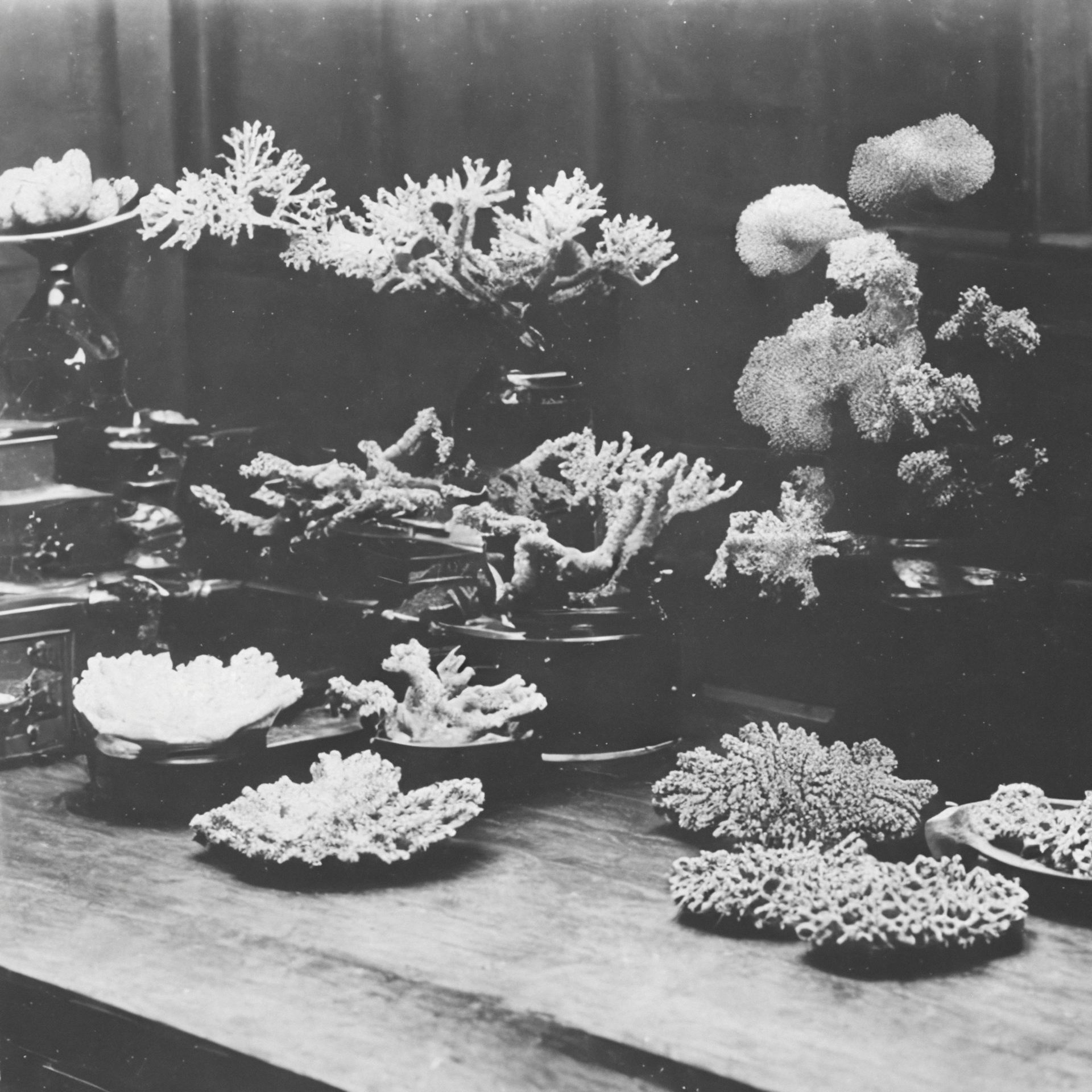
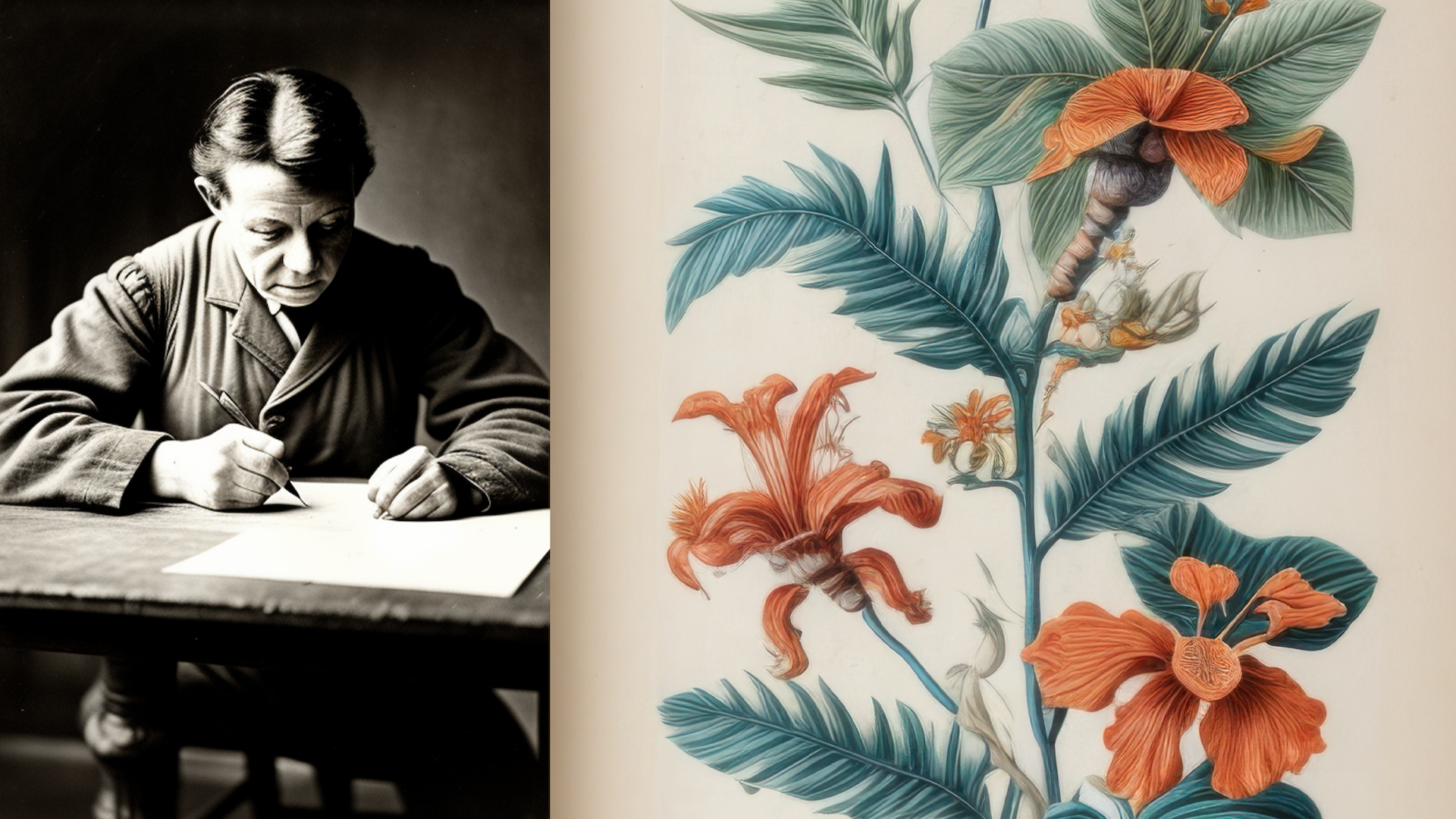
Theodore Winslow was a significant figure in the field of botanical art, known primarily for his detailed illustrations of tropical, South Asian plant species that were yet to be discovered. His inclination towards botanical exploration was honed amidst personal difficulties navigated in his early days.
Early life and education
Winslow was born in 1838 in Havenwood, a small town in Sussex. He developed a keen interest in botanical exploration from a young age, possibly due to the rich biodiversity of his native surroundings.
Career
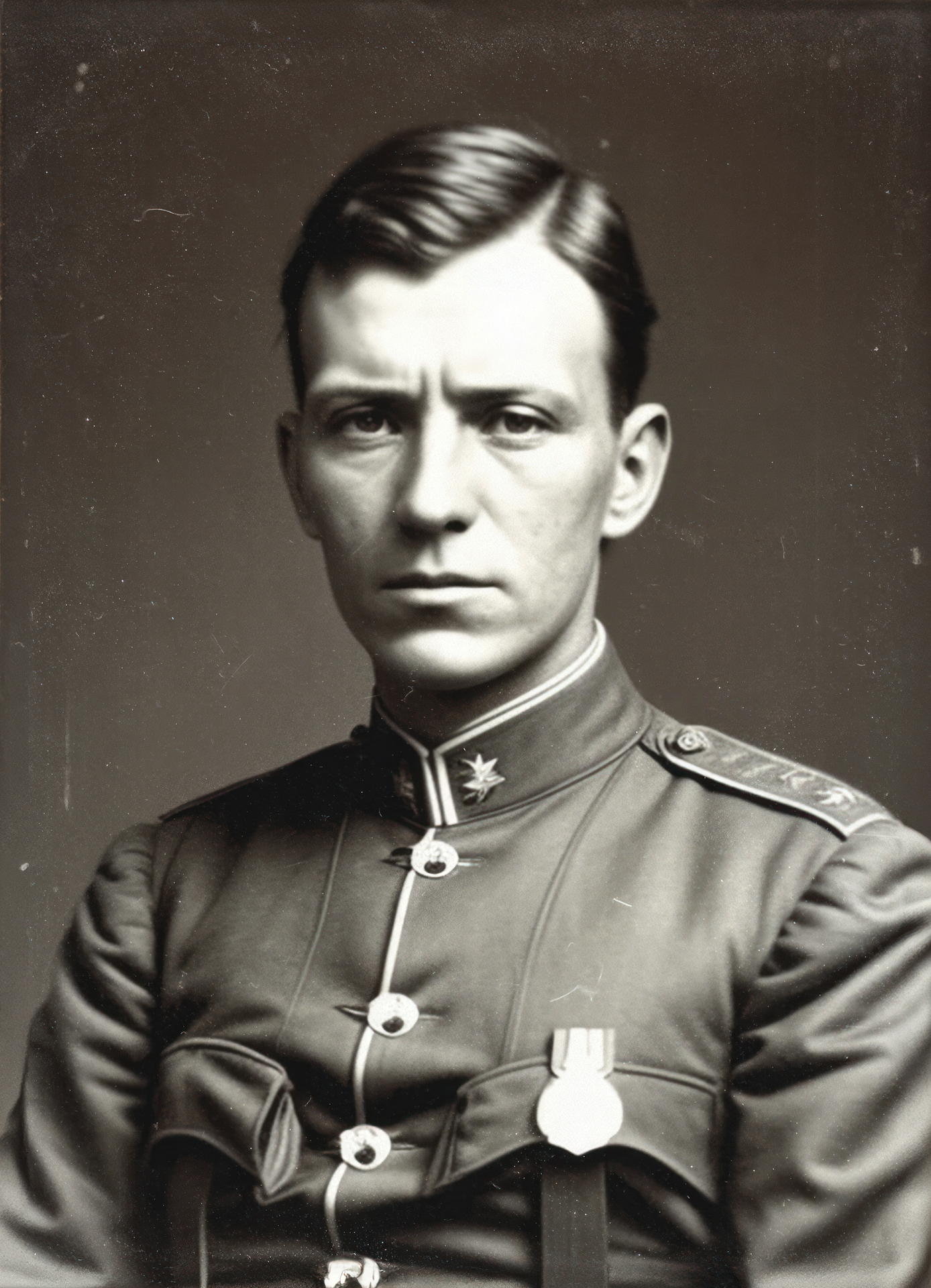
In an effort to satiate his thirst for geographical and botanical exploration, Winslow enlisted in the military, a decision that would set his life on a unique trajectory. His military service presented extensive travel opportunities, taking him to remote and uncharted regions, especially across Southeast Asia and the South Pacific.
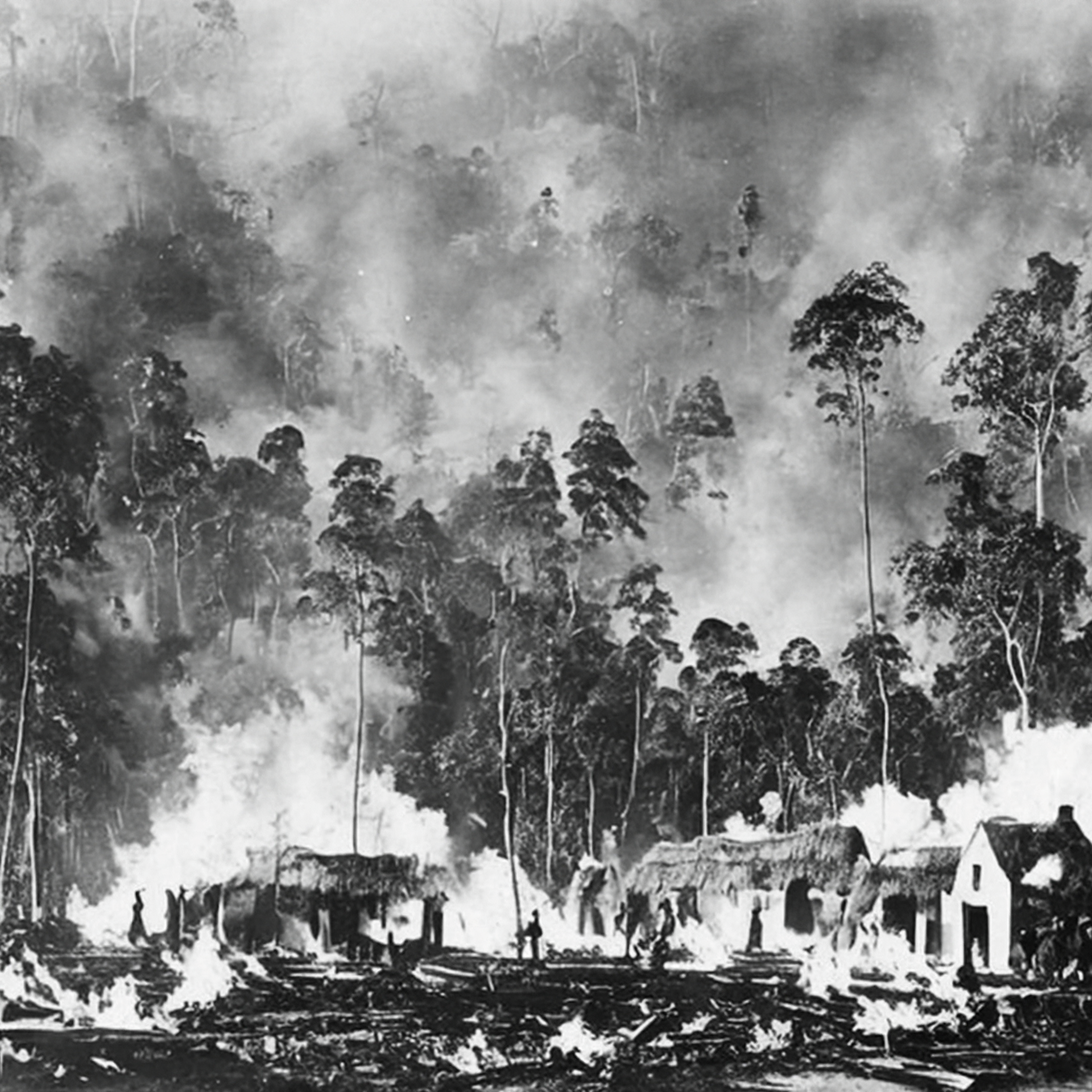
These experiences deepened his botanical knowledge while exposing him to the stark realities of colonial repression, profoundly impacting his perspectives on his own country and its foreign policies. Witnessing the brutal colonial practices firsthand prompted Winslow to strive to understand the customs, values, and lifestyle of the indigenous people whom his military intended to subdue.
Later life
In a crucial turn of events, Winslow abandoned his life as a soldier to live among the native Asian communities, moving with them to a hidden region, now identified as the hinterland of Thailand, that served as their sanctuary. Many aspects of his life after this transformation remain unknown. A diary found in recent years provides tantalizing glimpses into his life and work, but it ends abruptly without any account of his further whereabouts or the circumstances surrounding his death.
Legacy
Despite the veil of mystery, Winslow's diary emerged as a treasure trove of unknown botanical discoveries. It features immaculately drawn illustrations of unspecified tropical trees, revealing his crucial contribution to the field. However, these findings remained under wraps until the recent discovery and examination of his diary.
Recognition
The scientific community has only fully recognized Winslow's contributions following the publication of his diary, reflecting on the importance of his intricate illustrations in advancing the study of tropical plant species.
Bibliography
1. Simmons, A.H. (1998). "Winslow's World: Unveiling the Unexplored." London: HarperCollins.
2. Harris, B., and Johnson, D. (2005). "Botanical Wanderers: The Life and Times of Theodore Winslow." New York: Penguin.
3. Thompson, E. (2012). "Beyond the West: The Legacy of Theodore Winslow." Oxford: Oxford University Press.
4. Winslow, T. (1974). "Diary" Cambridge: Cambridge University Press.
5. Andrews, T. (2021). "Unearthed Discoveries: The Impact of Theodore Winslow's Diary on Modern Botany." Smithsonian Institute, Washington.
A4 Chengdu, 2024
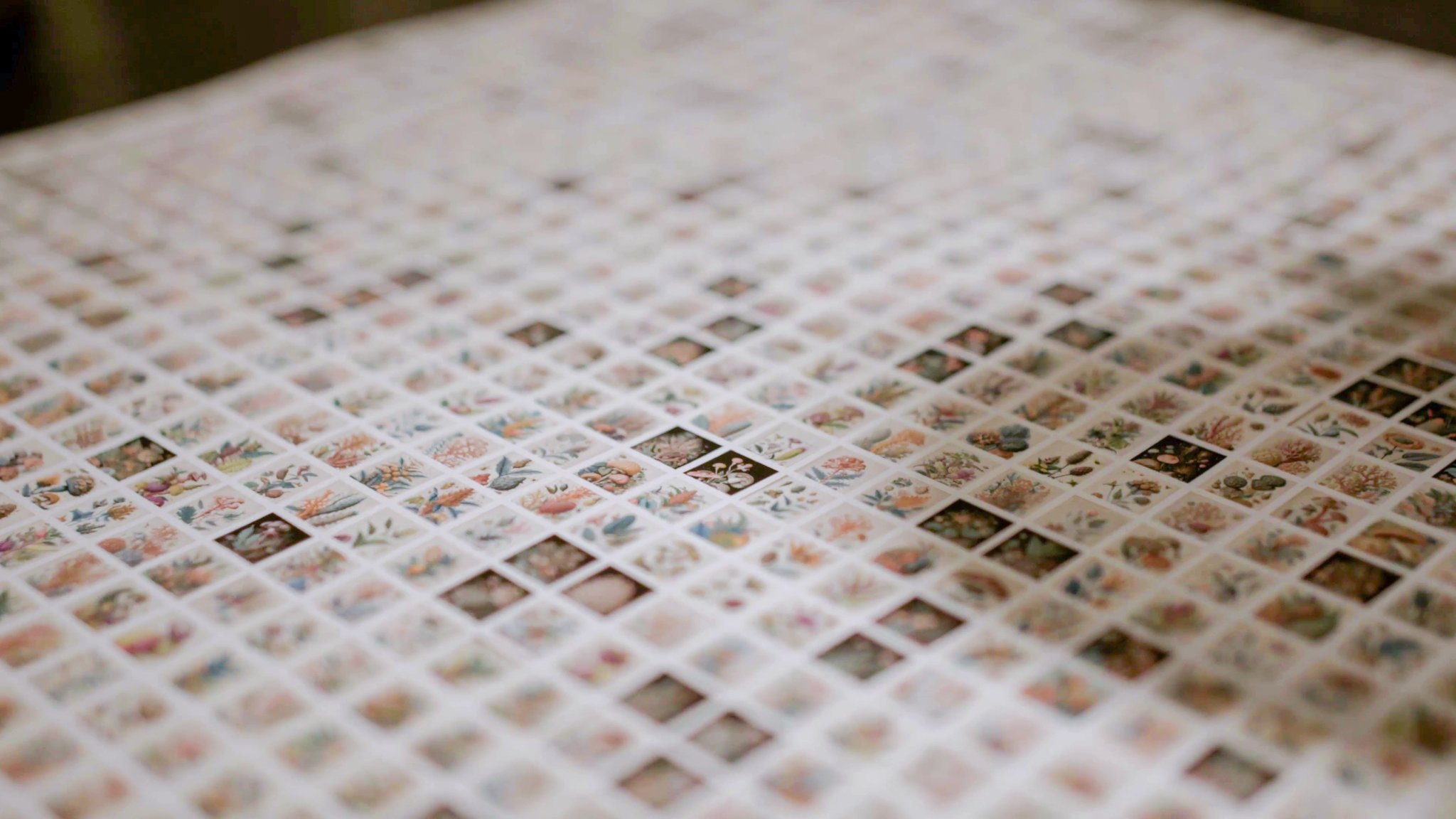
Bright Moments London, 2023
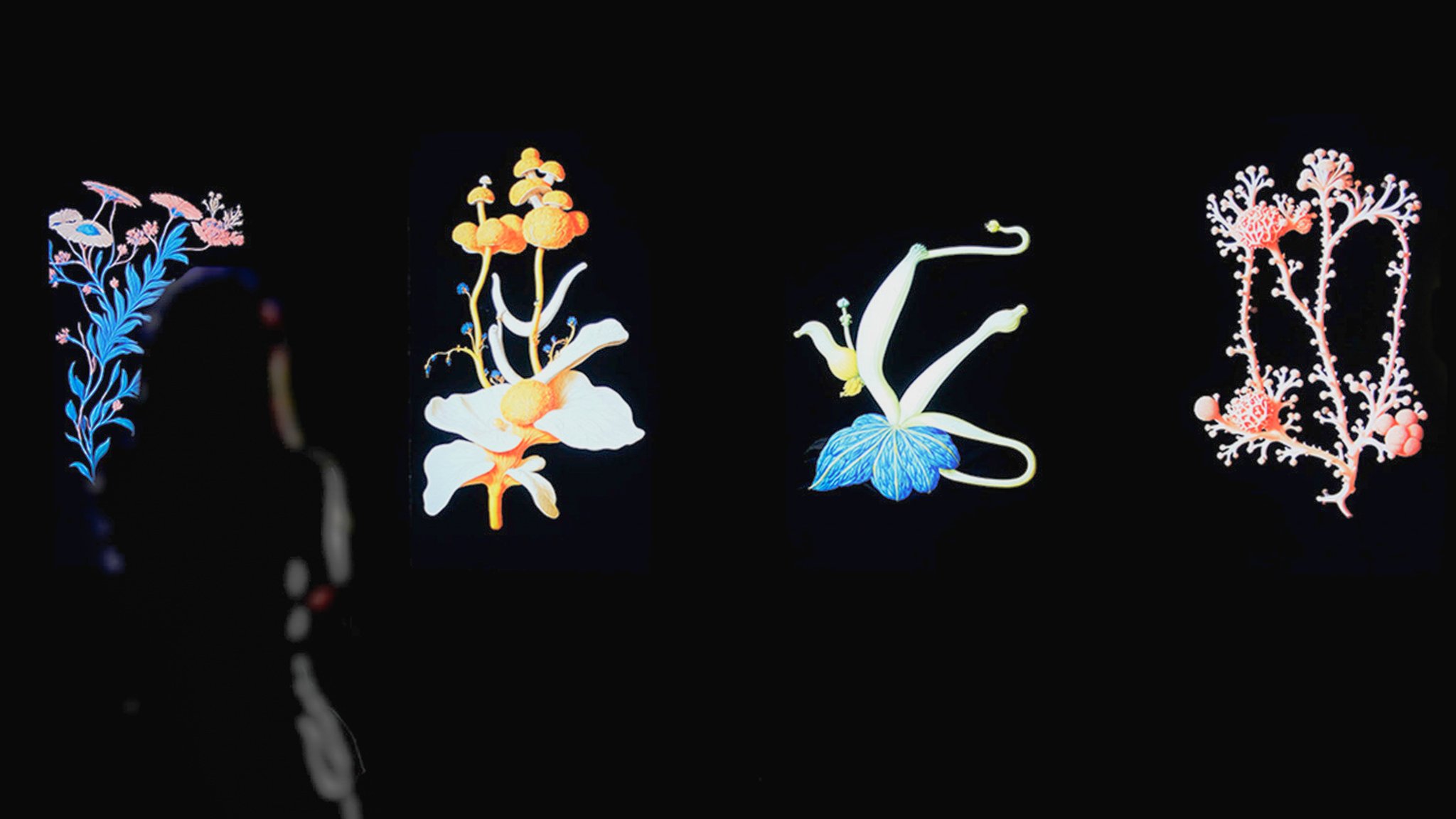
A4 Chengdu, 2024