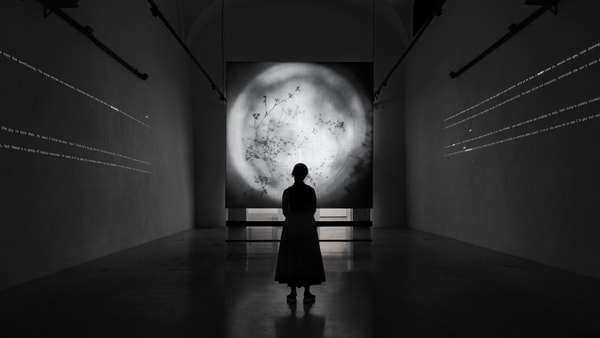
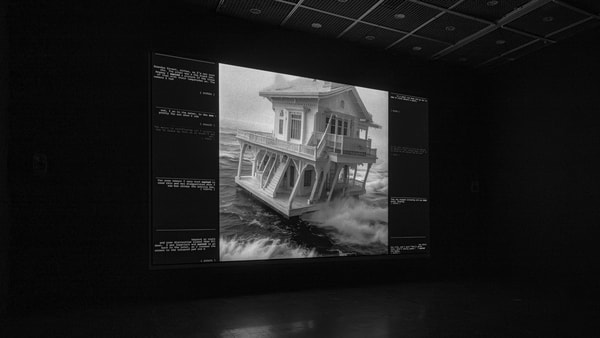
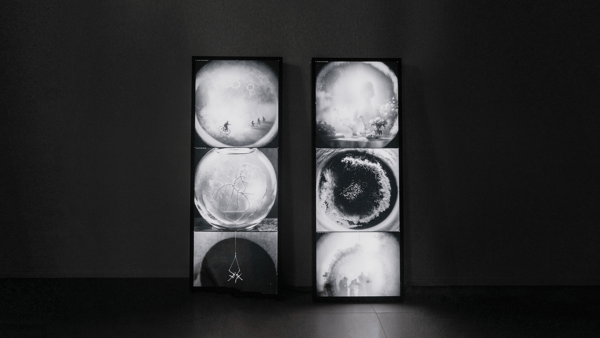
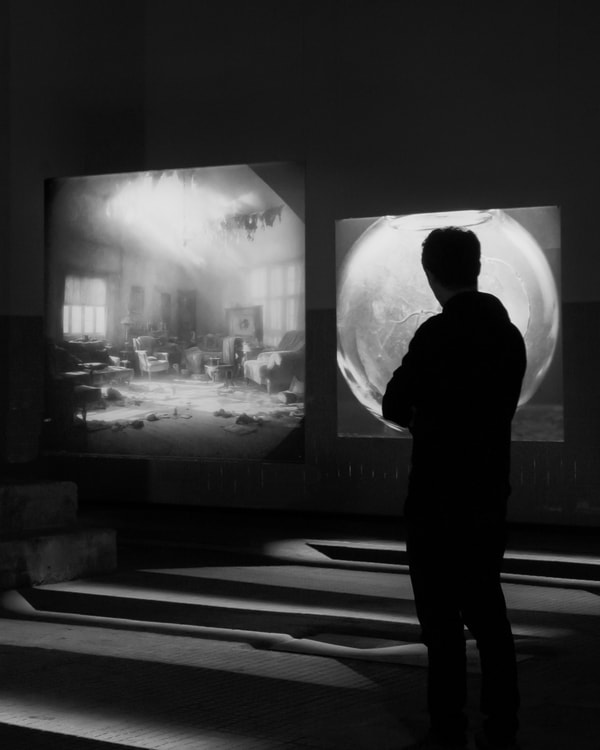
Onirica () comprises a series of works exploring the dimension of dreams, interpreting through synthetic languages the creative ability of the human mind during sleep. Through the use of algorithms capable of translating textual content into images, Onirica () brings tales of night visions back into the domain of the visible, proposing novel reflections on the relationship between human and machine, between tool and creator.
Play
Pause
Mute
Mute
Mute
Unmute
Dreams are experiences that have united and fascinated humanity since its origins. During sleep, our window to reality closes and gives way to a particular state of consciousness where thoughts and sometimes bizarre dream narratives follow one another, projected in our minds like cinematic sequences that are at times vivid and extremely defined. The stuff of dreams comes almost entirely from perceptions of the external world during wakefulness and exploits a reorganisation of memories that integrates experiences with fantasies, desires and more or less recurrent thoughts.
An increasingly common protagonist of scientific research, dreams are the subject of studies that have the goal of understanding their features and characteristics. It is precisely thanks to the collaboration with two dream banks, the first from the University of Bologna and the second from the University of California Santa Cruz, that Onirica () came to life: through meetings with researchers, data were transformed into narrative elements, stories into visions, elaborating a project that would relate the scientific method to the fluidity and creative mutability of oneiric activity.
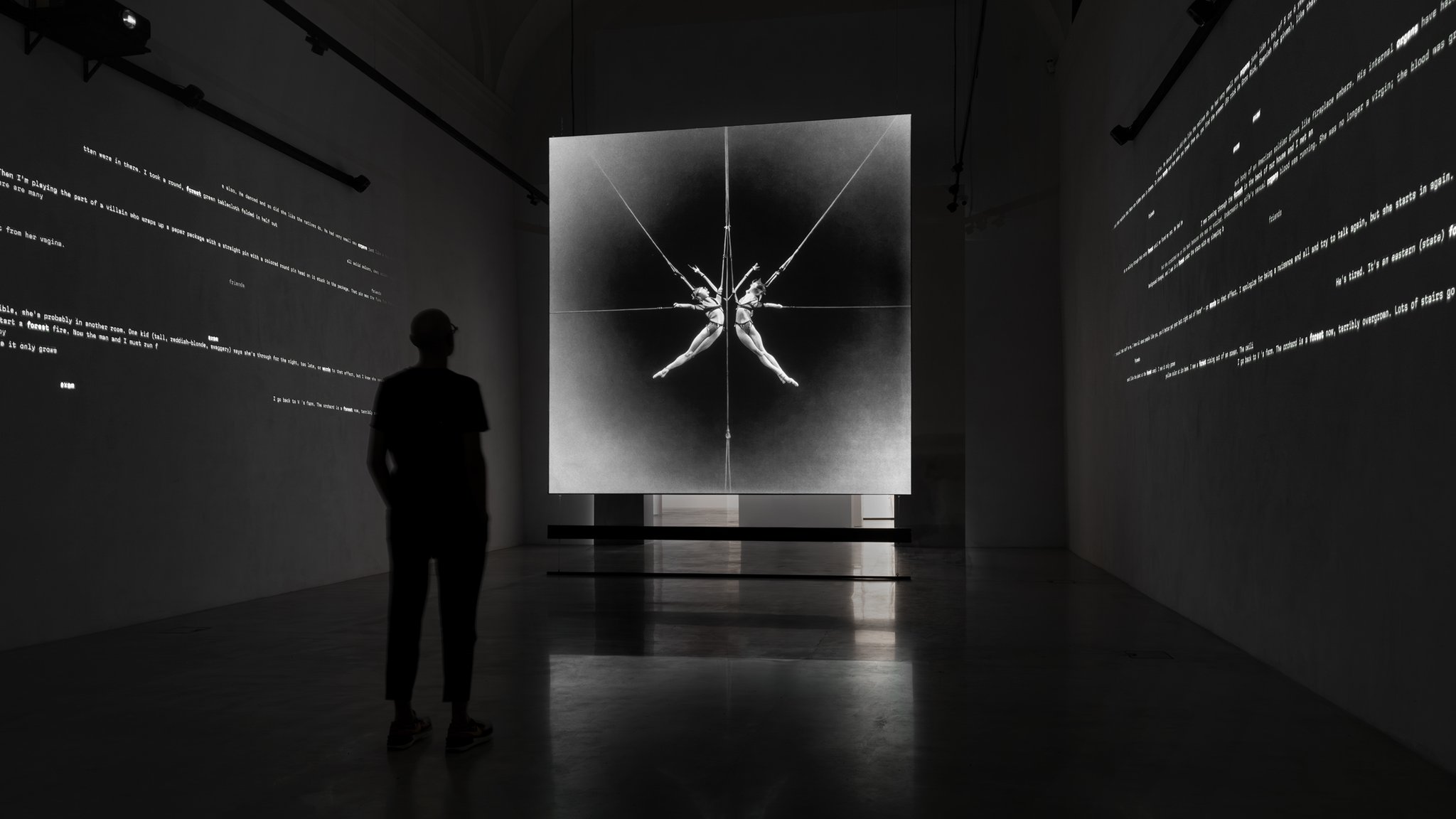
Fondazione Peruzzo, 2023 | ph. Ugo Carmeni Studio
The work transforms into a collective experience the dreams of volunteers who participated in research sessions at the two universities. Selected from a base of 28,748 dreams, the plots flow one into the other as a series of short films, tracing the actual cadence of NREM and REM dreams present throughout a night's sleep. The sequences are artificially generated by a machine learning system that translates the text of dreams into a series of subsequent hallucinations that bring to life the characters, objects and landscapes described.
This continuous synthetic stream of consciousness finds its final aesthetics through the close collaboration between human being and artificial intelligence: while the machine proposes endless possible translations of the stories into images and voices, it does not possess any kind of decision-making ability concerning aesthetic and conceptual choices. The technology thus assumes the role of a creative assistant that interprets directorial directions by proposing possible ideas and solutions, in a relationship comparable to that which develops within a film crew composed, in this case, of humans and intelligent machines.
Play
Pause
Mute
Mute
Mute
Unmute
Onirica () accentuates the tension created by the interpretation and translation of a purely human experience, the dream, through the eyes of new technologies. Inserting itself within an increasingly relevant ethical debate, the work aims to address from an unprecedented and exploratory point of view the relationship between a purely human sensibility and the creative capacity of artificial intelligence systems: to discover their potentialities and limitations, to stimulate in the viewer a critical and conscious thought about the possible impact of these technologies on society and on the perception of ourselves.
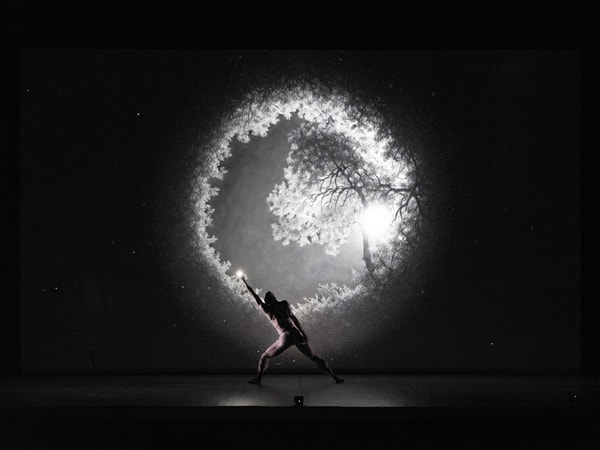
Being such a stimulating and fascinating topic, the narration at the basis of the series of Onirica () has found various outputs since its first conception. The first iteration consisted in an immersive installation, where the night visions and dream texts intertwined with one another in an all-encompassing setup. This version has later been simplified to be exhibited in more compact spaces. One of the last iterations of the work, however, is a live-media performance, conceived in 2024 and representing the studio's return on stage after a 7-year hiatus, following the première of Dökk in 2017. The performance delves into the physical perception of the body within the dreamscape, merging dance with a cinematic experience produced in real-time on stage through the interaction between the performer and artificial intelligence.
Play
Pause
Mute
Mute
Mute
Unmute
Onirica () developed from a database of reports of 28,748 dreams: of these, 807 were collected and transcribed anonymously in the Laboratory of Psychophysiology of Dream and Sleep "M. Bosinelli" of the Department of Psychology "R. Canestrari" of the University of Bologna (Dream Data Bank, DDB), and 27,941 collected in the Dream Bank, a collection conceived, designed and built by Professors G. W. Domhoff and A. Schneider of the University of California Santa Cruz.
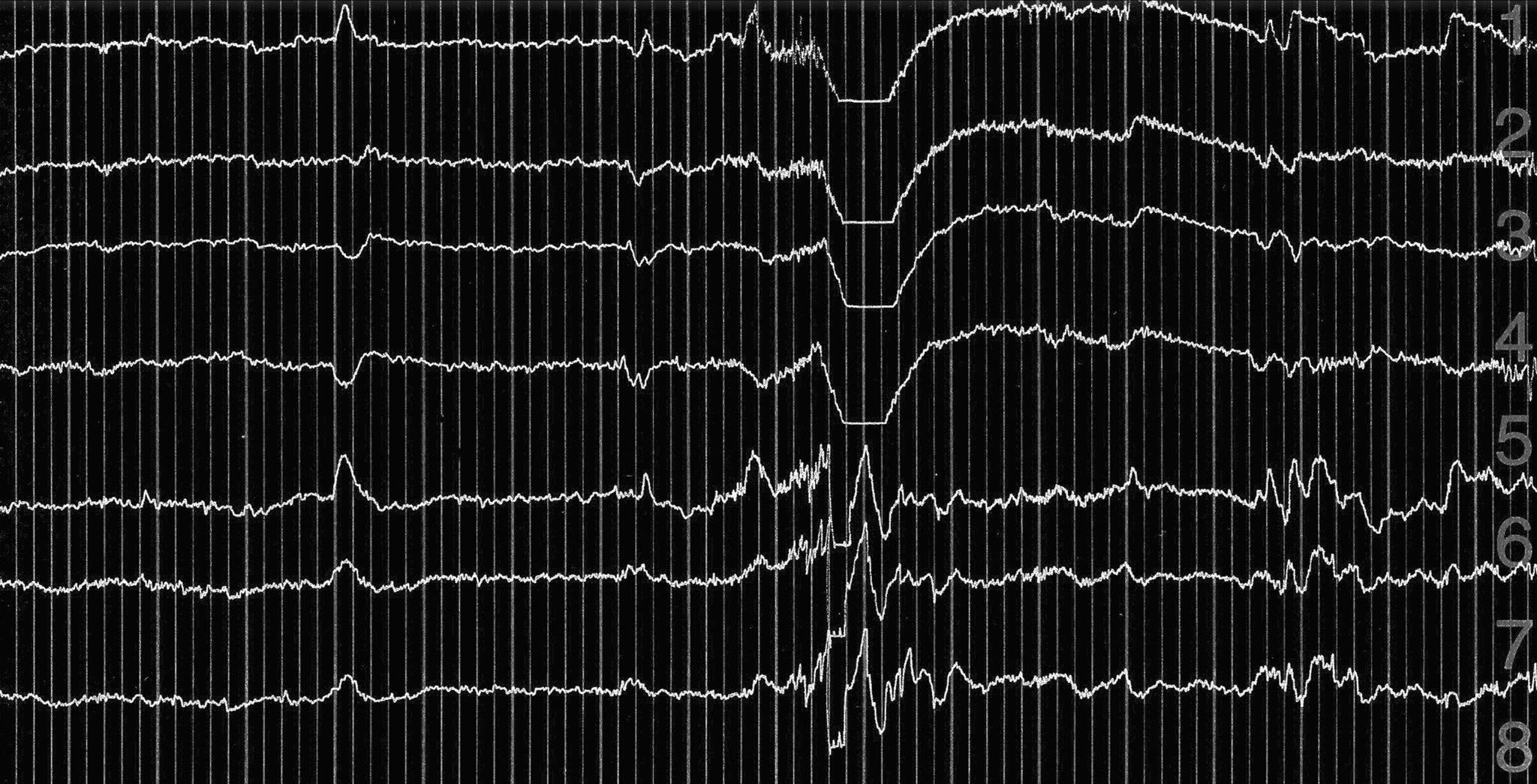
In the first case, dreams were collected between 1970 and 2005 during specific nocturnal research sessions. These took place in specialised psychophysiology laboratories, consisting of soundproofed rooms for sleeping subjects and a room dedicated to the overnight work of researchers. During the nights, participants (mostly volunteer students in the case of Bologna) slept in the rooms after electrodes were applied to their bodies, including an electroencephalogram (EEG), an electro-oculogram (EOM), and an electromyogram (EMG). These parameters serve to highlight the sleep stage the subject is in at a given moment: sleep is divided into NREM (non-REM) stages, which in turn consist of stages 1, 2, 3, and 4, and REM (Rapid Eye Movement) stage, characterised by rapid eye movements and muscle atonia. The result of the recording is a polysomnography (PSG), or a set of data cross-referencing the information collected by the sensors.
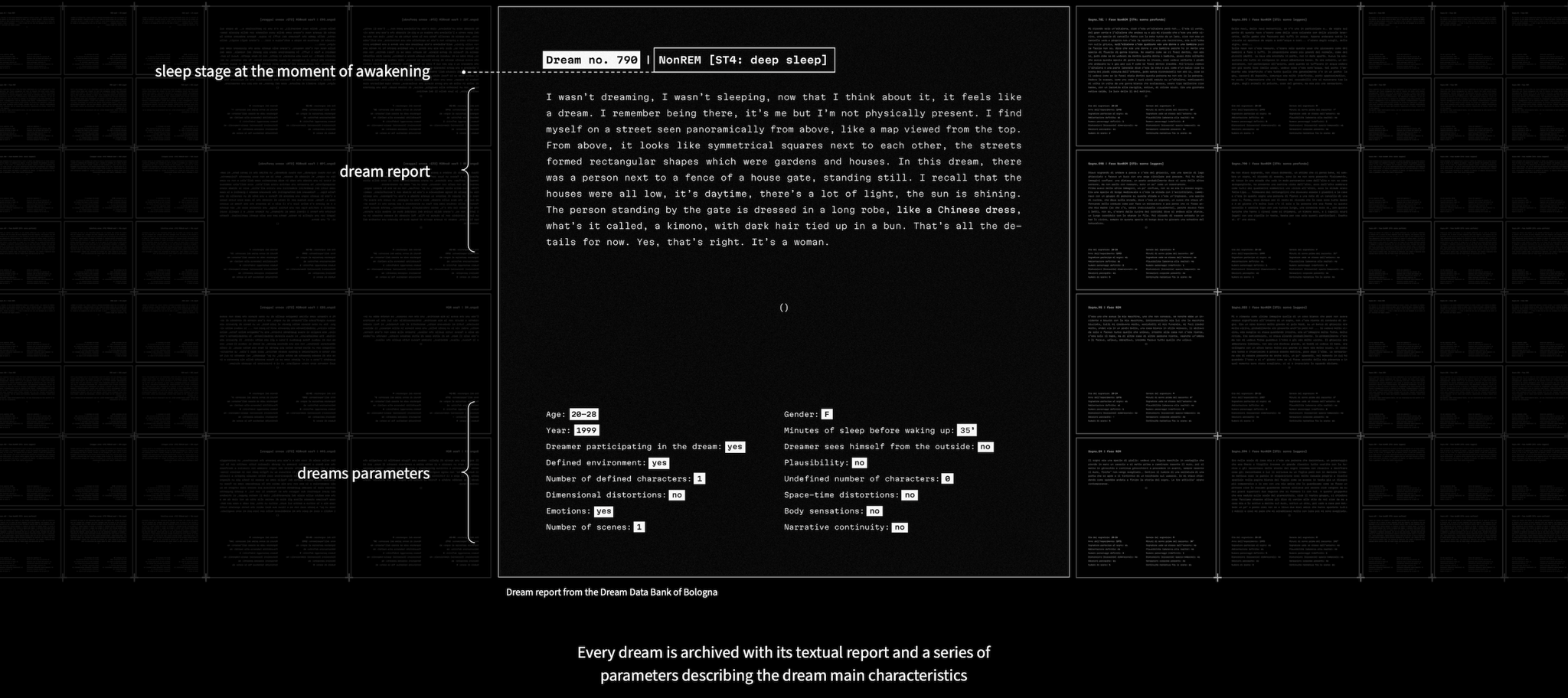
Throughout the night, the volunteer would be awakened one or more times by an acoustic signal and asked to recount in as much detail as possible what they were dreaming at the time of awakening. The account would be transcribed verbatim, including any uncertainties, interruptions or repetitions. Only after the completion of the free narrative would any specific questions be asked in order to categorise the dream within precise quantitative and qualitative parameters, such as first or third-person perspective, well-defined setting, number of individuals, presence of oddities, presence of dimensional or space-time distortions. These characteristics are also extremely useful to categorise dreams using the same set of information, which greatly simplified our navigation through the dream bank.
The focal point of the research nights at the University of Bologna was the study of dreams as a cognitive process that occurs during sleep. For this reason, dreams were catalogued with the aim of understanding the sources of memory from which the mind draws for their generation. Following the mentioned research, it was demonstrated that dream activity is present during all stages of sleep. The main differences observed between phases are the higher occurrence of dreams in REM stage (90% of awakenings in this condition) compared to NREM conditions (50-70% of awakenings). Furthermore, dreams in REM stages are longer and somewhat more intricate than those collected in NREM stages.
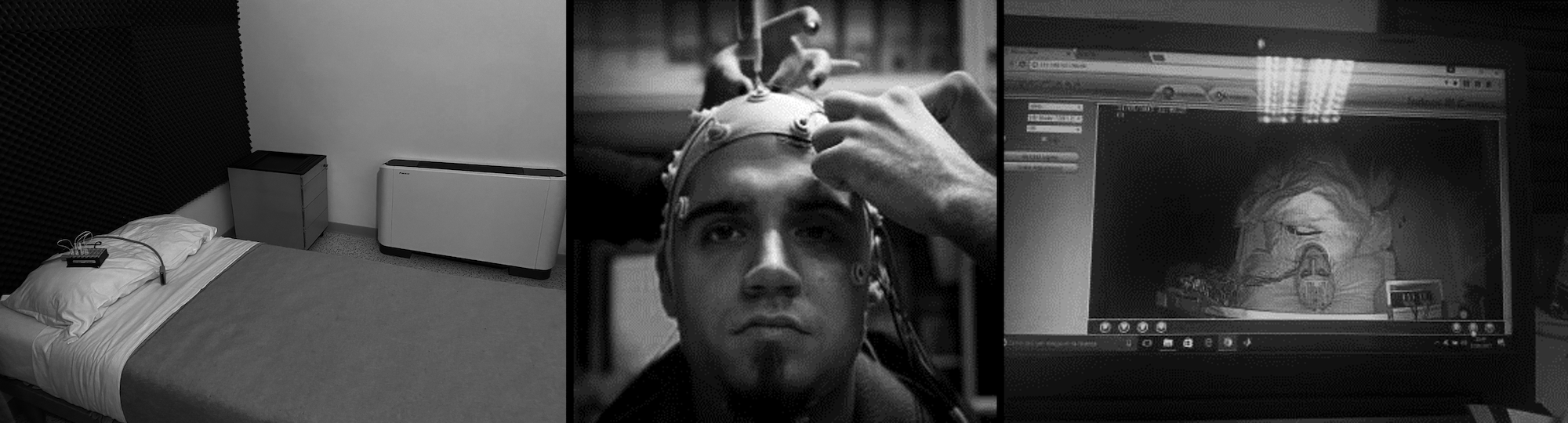
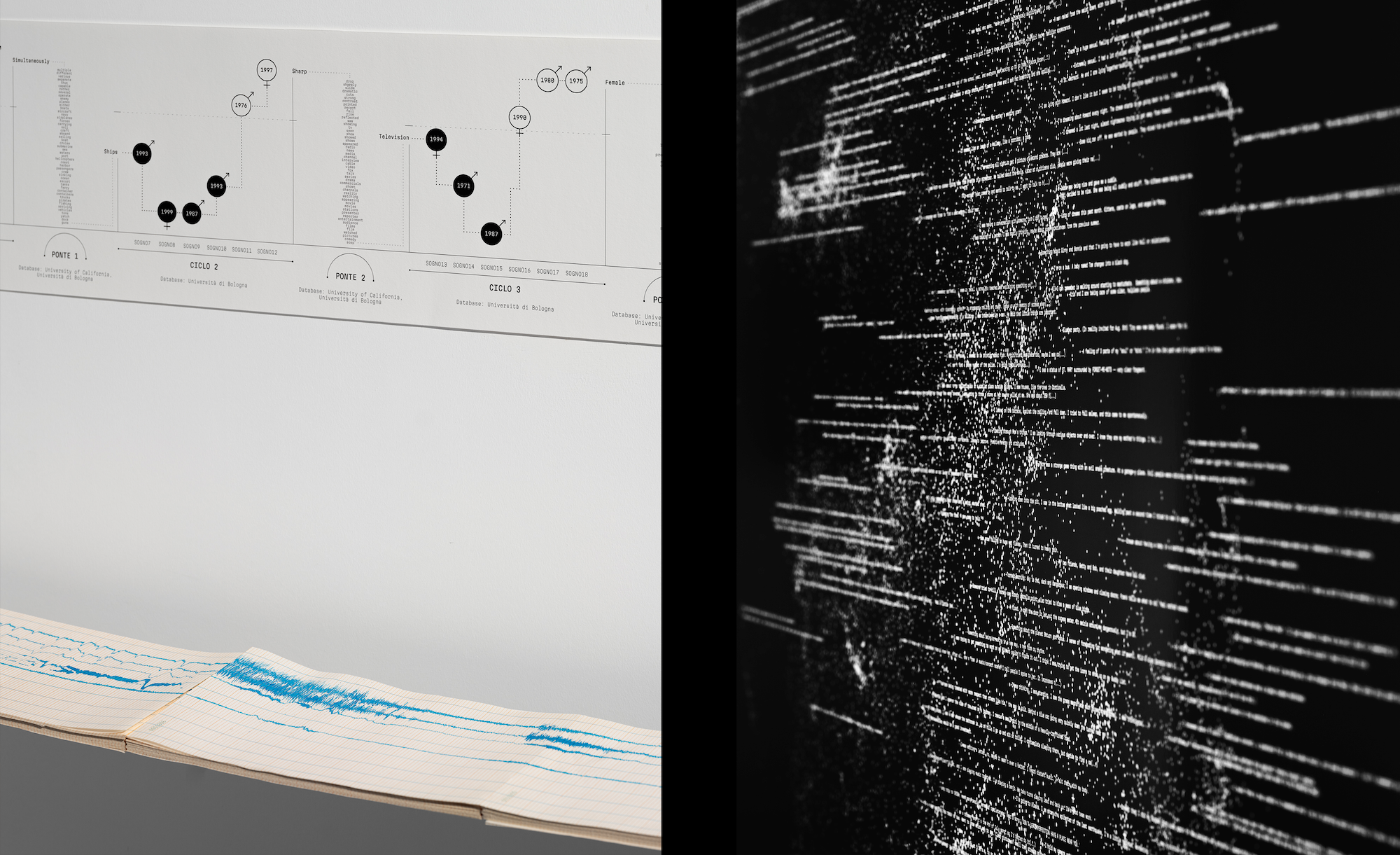
The second Dream Bank was created by psychologists G. W. Domhoff and A. Schneider from the Department of Psychology at the University of California Santa Cruz and represents one of the most important scientific contributions on the topic. At the time of writing, the database contains a collection of 27,941 accounts from individuals aged 7 to 74 years, sourced from a variety of different contexts and sources—making it distinct from a specific research or analysis. The database is accessible online, making it easy to consult for both scientific and informative purposes. The website allows for simple keyword searches or more complex searches, such as cross-referencing various data to discover the likelihood of the presence of two specific elements in a set of dreams.
Scientific research in the field of dream material remains complex for several reasons, primarily due to the impossibility of verbal reports on the dream process as it occurs and the consequent need to base studies on written testimonies subsequent to the dream experience itself. Additionally, navigating dream memories and relating them to each other is challenging. This inherent complexity necessitates the creation of easily accessible and usable systems that allow for the exploration of differences and similarities in dream content on cross-cultural, gender, and individual levels. The work of Domhoff and Schneider differs significantly from that of the University of Bologna but is valuable for providing a second perspective on the relationship between dream experiences and wakeful states. In the article "Studying dream content using the archive and search engine on DreamBank.net," published in 2008 in the journal Consciousness and Cognition, the authors discuss the results of scientific research based on dreams from the Dream Bank. An interesting aspect that emerges from some studies is that when analysing dreams, individual differences appear to be less relevant than commonly believed.
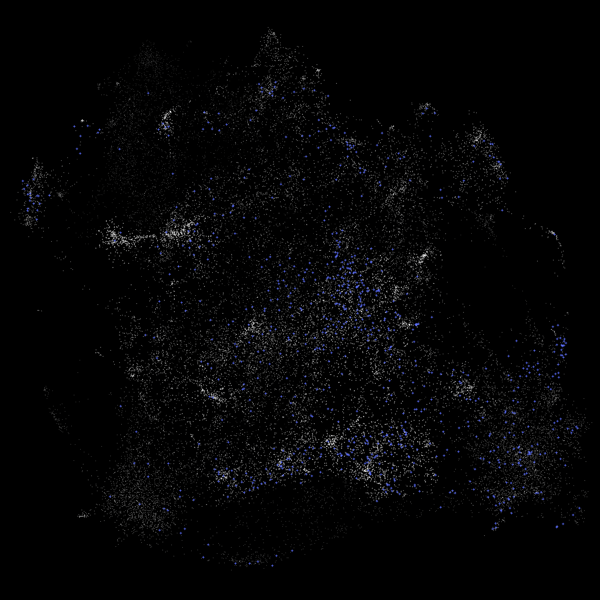
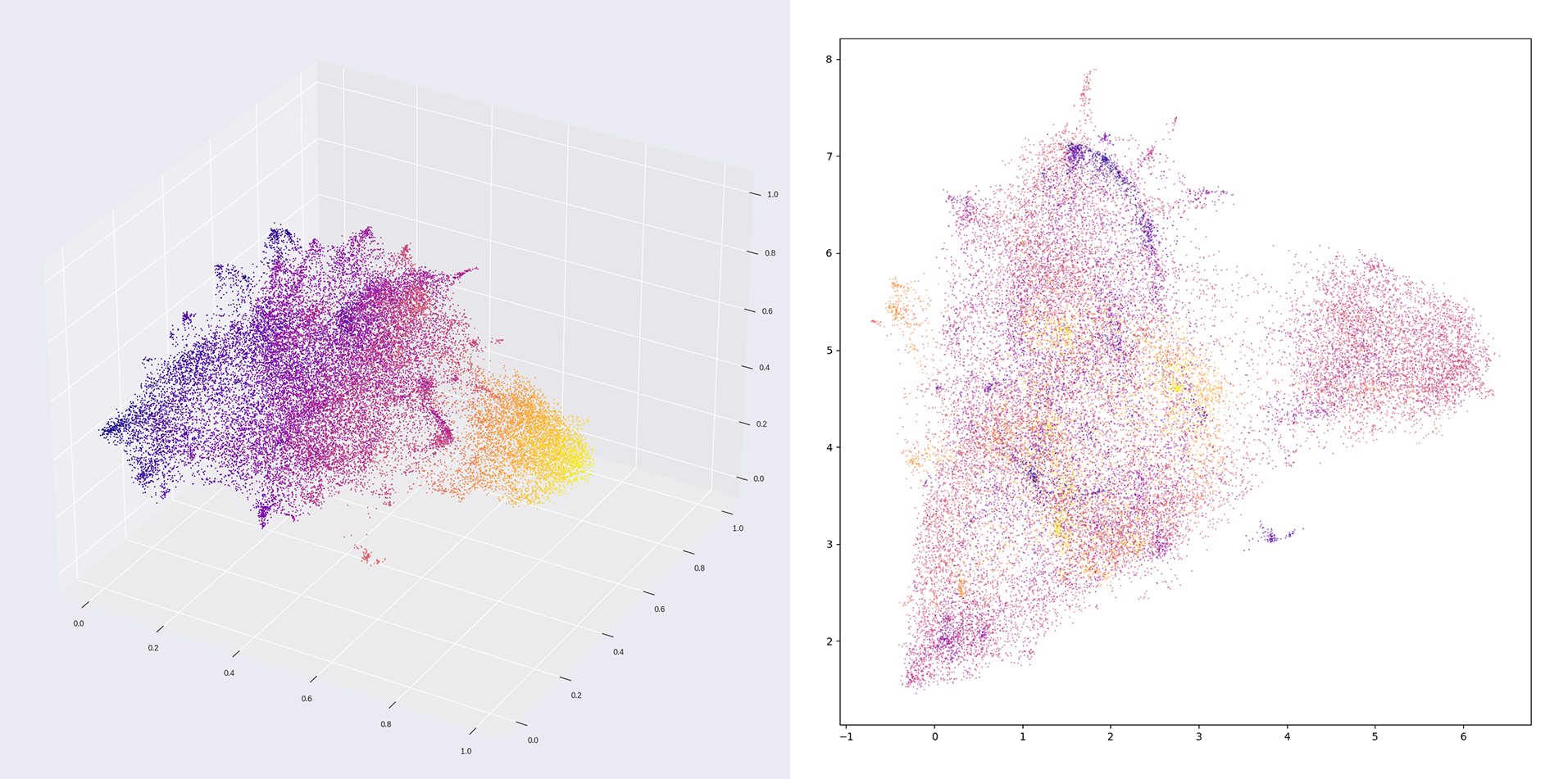
Onirica () was born from the narratives collected from a total of 28,748 dreams described upon waking by dreamers. The scale of this vast collection of data makes it opaque, difficult to explore by manual search. To recognise patterns, recurring themes, conceptual or semantic connections that link dreams even when distant in time and space, it was decided to navigate this space through an automated text analysis system. After an initial pre-processing session, the text of each dream is analysed by a Machine Learning (ML) model, which associates each of these with a point in a 384-dimensional space: the greater the affinity between the thematic or semantic content of two dreams, the greater their closeness. Through a dimensionality reduction method, the dream space was then transposed into three and two dimensions, generating a point cloud dream map that can be read and interpreted by human eyes.
This system allowed us to visualise the relationship between words and dreams together with other elements, such as patterns and topic frequency, while also granting a horizontal exploration of the dream map guided by semantic proximity and common topics.
Play
Pause
Mute
Mute
Mute
Unmute
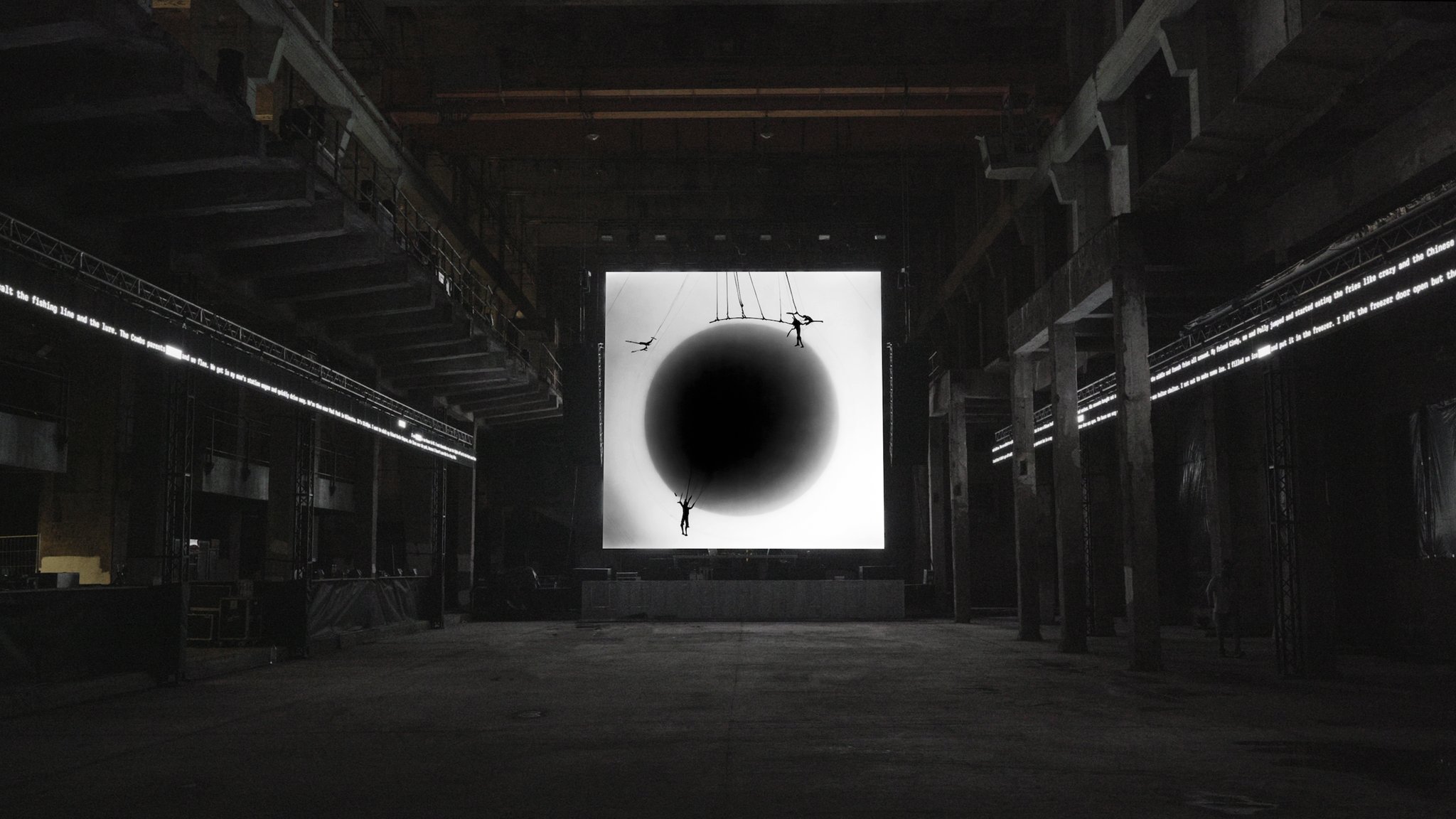
INOTA Festival, 2023
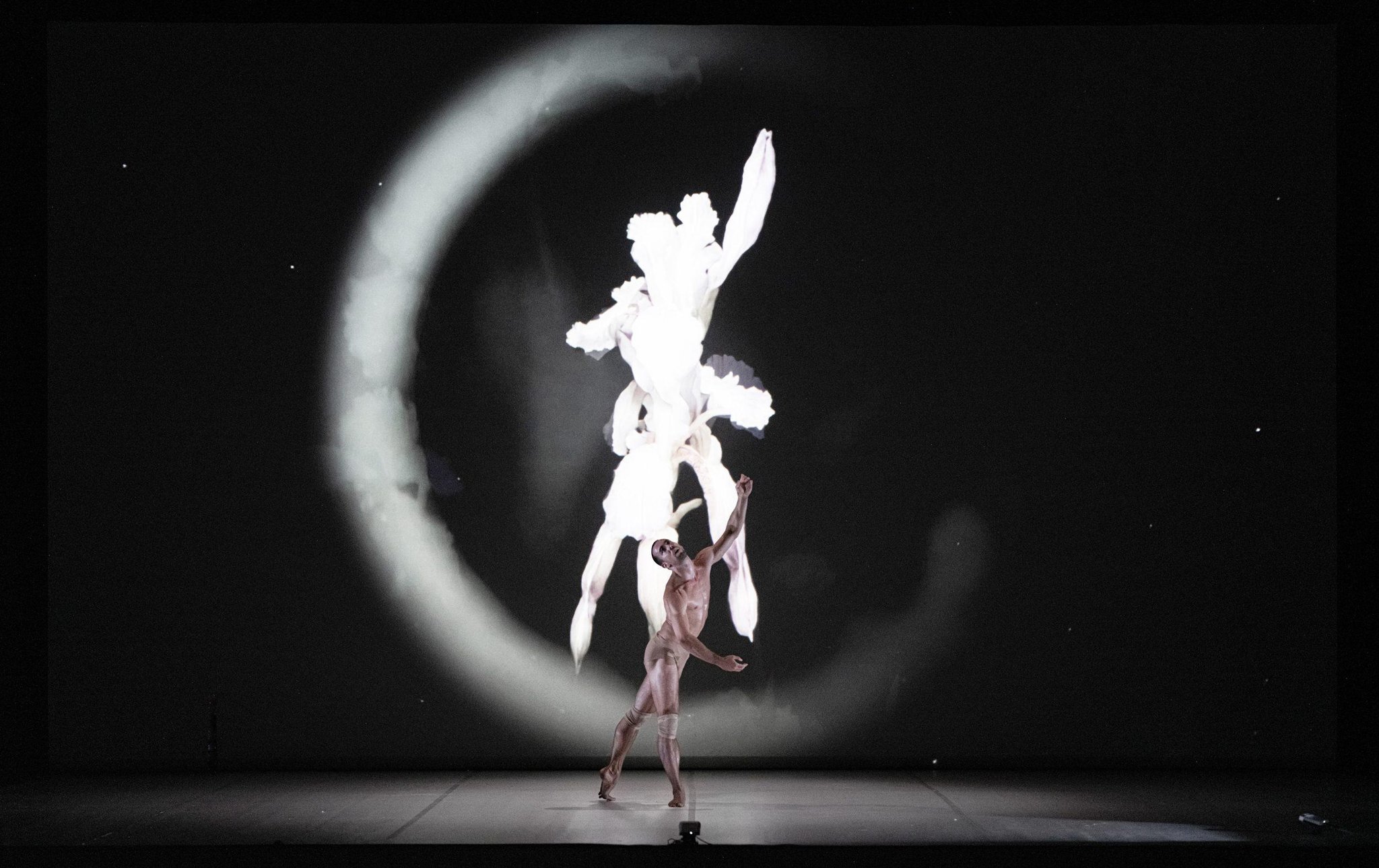
Teatro Asioli, 2024 | ph. Emmanuele Coltellacci
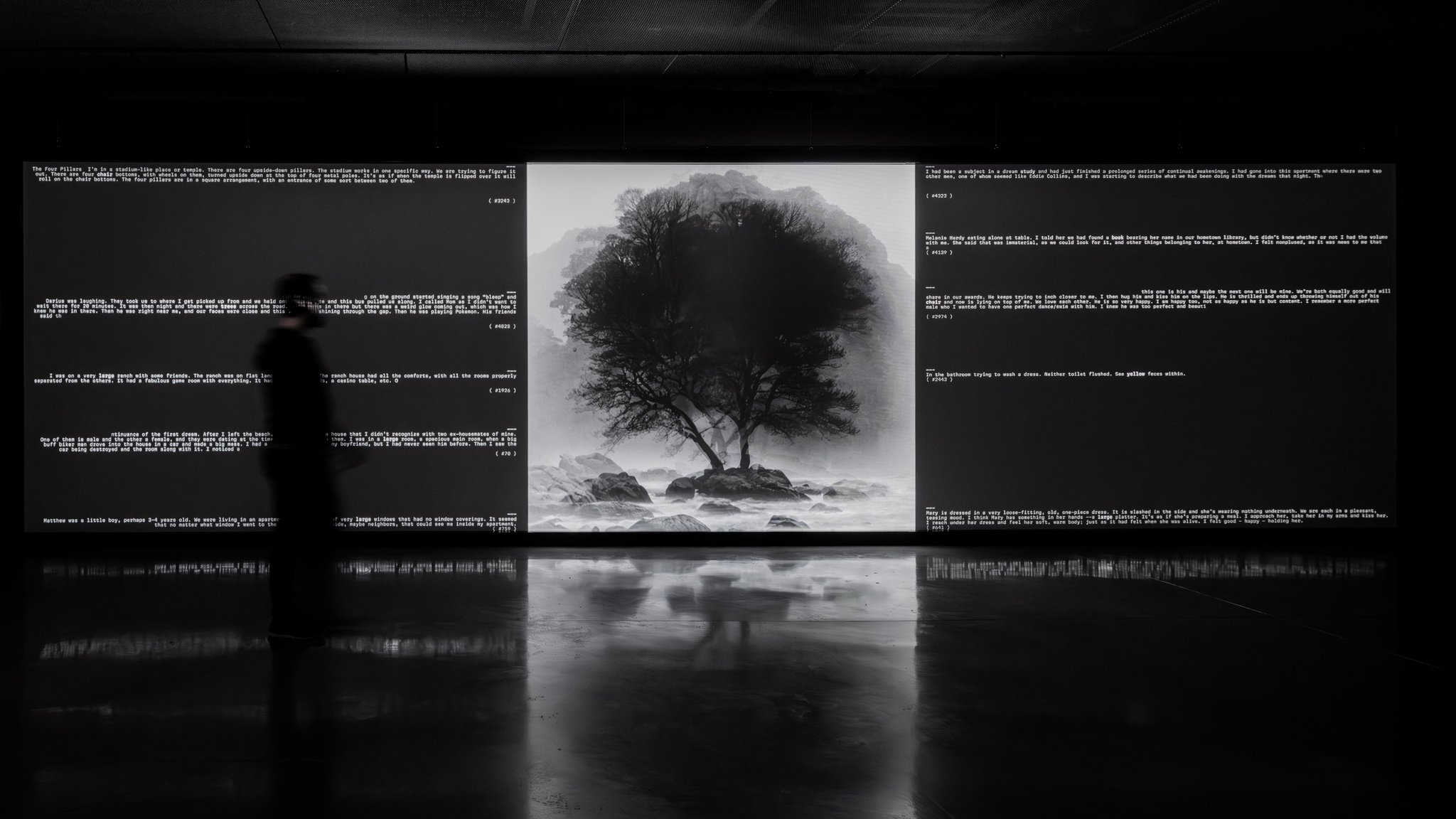
Espacio Fundación Telefónica, 2024 | ph. Javier de Paz Garcia
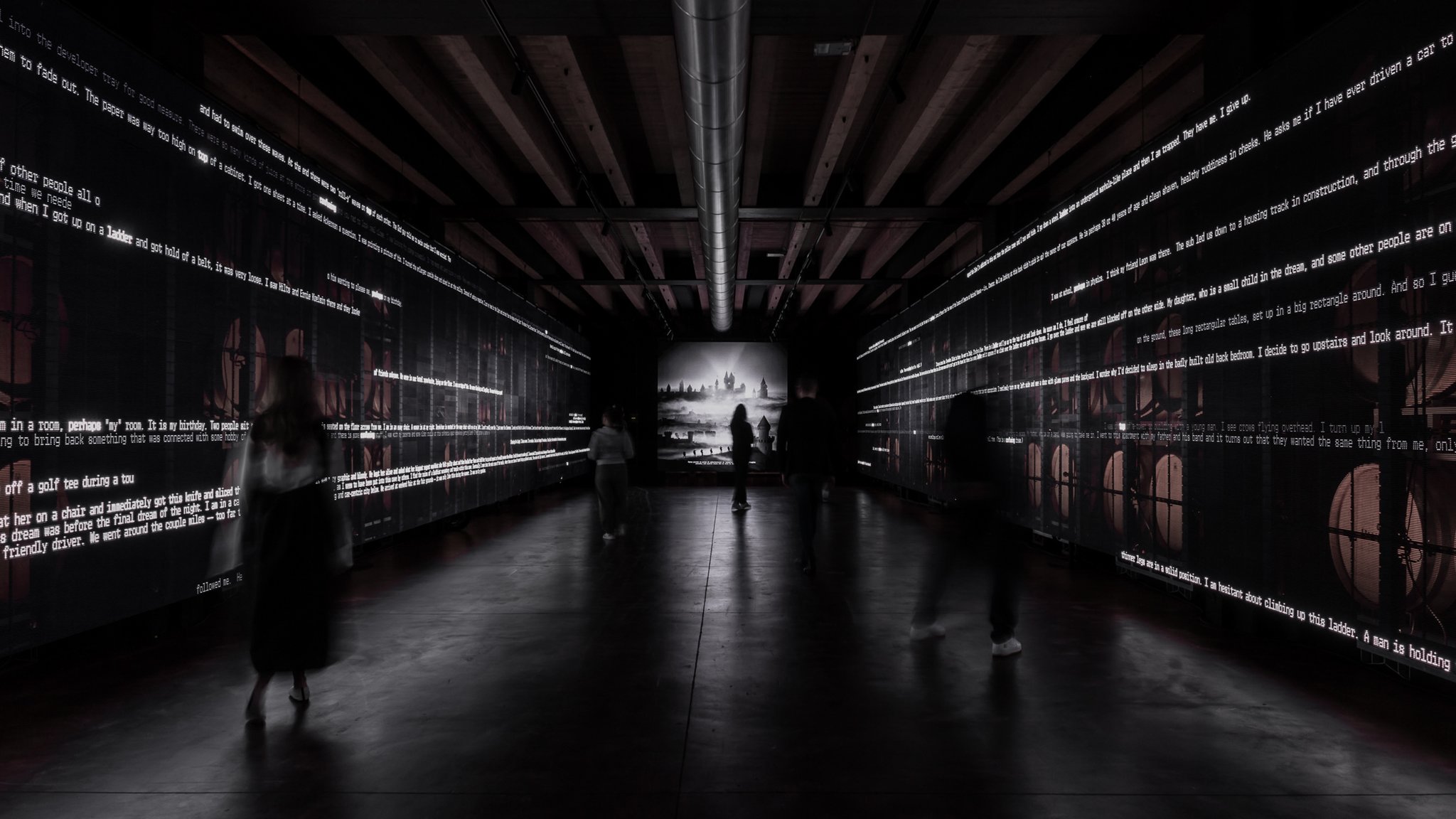
Pasqua Wines, 2024
The dream stories come from the following datasets:
DreamDataBank (DDB) Laboratory of Psychophysiology of Dream and Sleep "M. Bosinelli," Department of Psychology "Renzo Canestrari," Alma Mater Studiorum University of Bologna. With special thanks to lab leader Miranda Occhionero.
DreamBank University of California Santa Cruz, created by G. William Domhoff and Adam Schneider - https://www.dreambank.net/